

Understanding SMT Board Transport: Enhancing Efficiency in Industrial Conveying Systems


2026-04-06
SMT Board Transport is a critical aspect of the electronic manufacturing industry, particularly for companies involved in assembling printed circuit boards (PCBs). The process involves the movement of SMT boards through various stages of production, from placement to soldering and inspection. Efficient transport systems are vital to maintaining workflow, reducing downtime, and ensuring high-quality output.
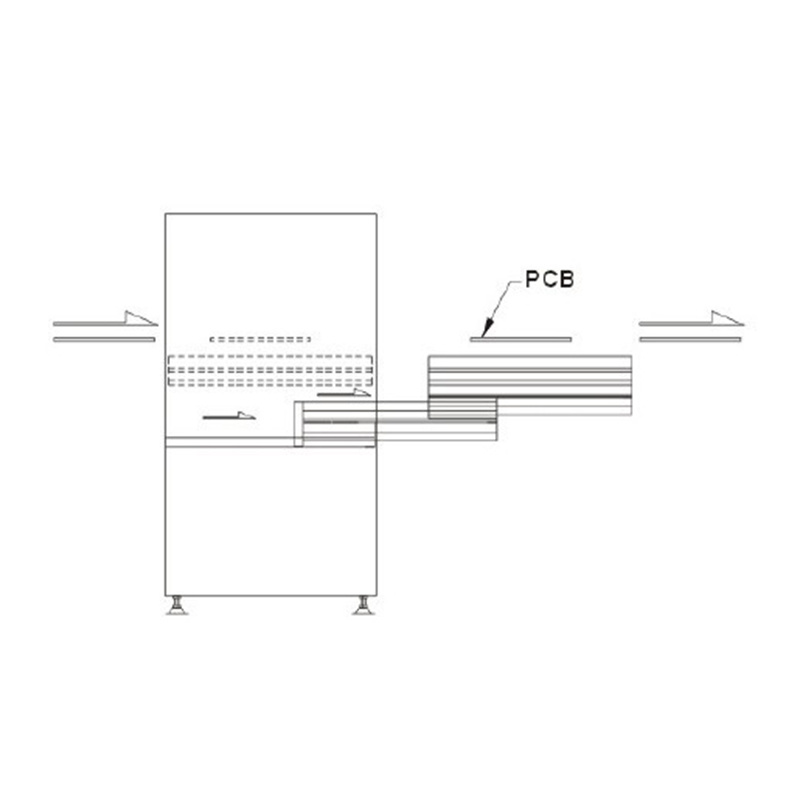
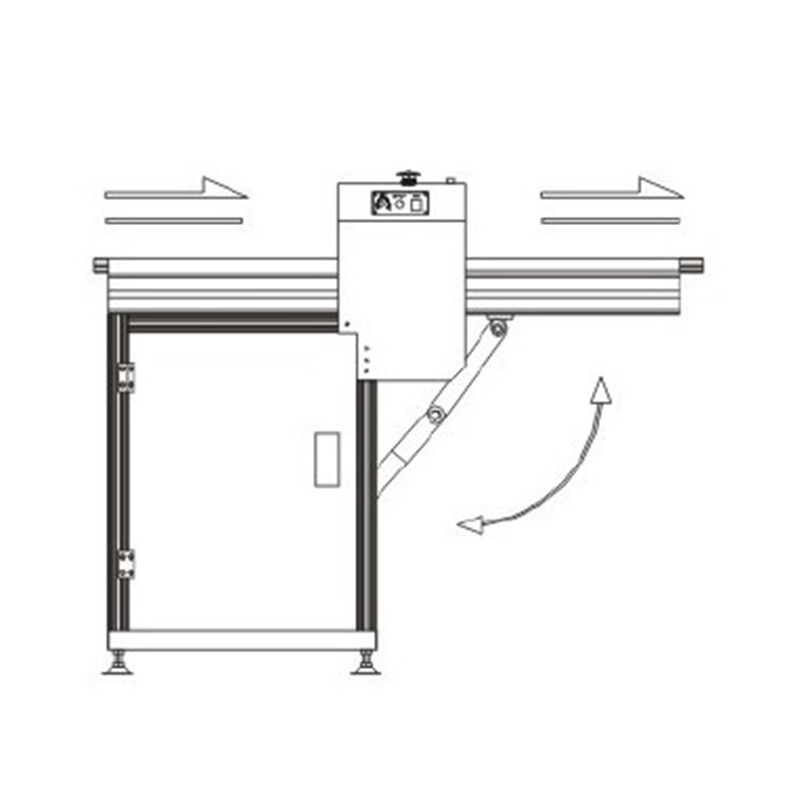
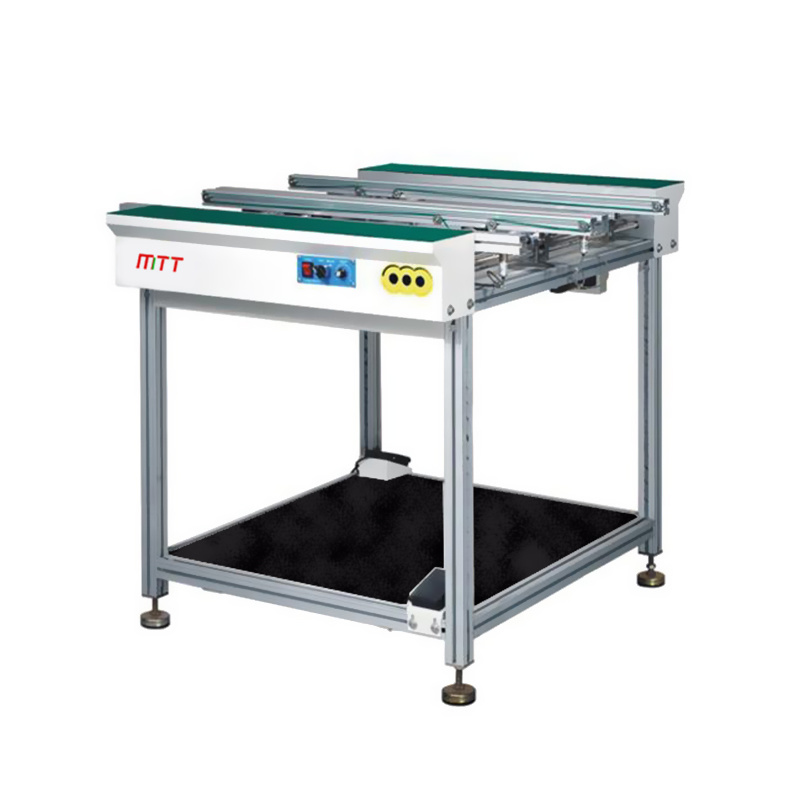
One of the primary considerations for SMT board transport is the design of the conveyor system. A well-engineered conveyor system is essential to accommodate the delicate nature of SMT boards, which can be prone to damage if not handled properly. Various types of conveyors can be employed, including belt, roller, and modular chain conveyors, each offering unique benefits depending on the specific requirements of the production line.
The use of conveyors equipped with adjustable speeds and precision controls can significantly enhance the transport of SMT boards. This allows for synchronization with other machinery, such as pick-and-place machines, ensuring that the boards are moved smoothly without interruptions. Additionally, incorporating sensors and automation technology can help monitor the transport process, catching any potential issues before they escalate into costly downtimes.
Another critical factor in SMT board transport is the handling of the boards to minimize the risk of contamination and physical damage. Implementing cleanroom standards and anti-static measures can help protect sensitive components during transport. Utilizing specialized fixtures and supports can also ensure that the boards remain stable and secure while being conveyed.
Moreover, consider the layout of the production area when designing SMT board transport systems. An optimized layout reduces the distance that boards need to travel, further enhancing efficiency. Integrating the transport system with other manufacturing processes can lead to a seamless operation, reducing cycle times and improving overall productivity.
Regular maintenance of the conveyor system is equally important. Ensuring that all mechanical parts are in good condition helps prevent unexpected breakdowns and prolongs the lifespan of the equipment. Routine inspections and adjustments can help maintain optimal performance levels.
In conclusion, SMT board transport is a vital component in the electronics manufacturing process. By focusing on efficient conveyor design, implementing automation and monitoring technology, and adhering to strict handling protocols, manufacturers can significantly improve their production efficiency and product quality. Understanding these elements is crucial for professionals in the industry looking to optimize their SMT board transport systems.
One of the primary considerations for SMT board transport is the design of the conveyor system. A well-engineered conveyor system is essential to accommodate the delicate nature of SMT boards, which can be prone to damage if not handled properly. Various types of conveyors can be employed, including belt, roller, and modular chain conveyors, each offering unique benefits depending on the specific requirements of the production line.
The use of conveyors equipped with adjustable speeds and precision controls can significantly enhance the transport of SMT boards. This allows for synchronization with other machinery, such as pick-and-place machines, ensuring that the boards are moved smoothly without interruptions. Additionally, incorporating sensors and automation technology can help monitor the transport process, catching any potential issues before they escalate into costly downtimes.
Another critical factor in SMT board transport is the handling of the boards to minimize the risk of contamination and physical damage. Implementing cleanroom standards and anti-static measures can help protect sensitive components during transport. Utilizing specialized fixtures and supports can also ensure that the boards remain stable and secure while being conveyed.
Moreover, consider the layout of the production area when designing SMT board transport systems. An optimized layout reduces the distance that boards need to travel, further enhancing efficiency. Integrating the transport system with other manufacturing processes can lead to a seamless operation, reducing cycle times and improving overall productivity.
Regular maintenance of the conveyor system is equally important. Ensuring that all mechanical parts are in good condition helps prevent unexpected breakdowns and prolongs the lifespan of the equipment. Routine inspections and adjustments can help maintain optimal performance levels.
In conclusion, SMT board transport is a vital component in the electronics manufacturing process. By focusing on efficient conveyor design, implementing automation and monitoring technology, and adhering to strict handling protocols, manufacturers can significantly improve their production efficiency and product quality. Understanding these elements is crucial for professionals in the industry looking to optimize their SMT board transport systems.
Related News