

Why SMT Loading Machines Are Essential for Modern Conveyor Systems


2026-04-08
Introduction to SMT Loading Machines in Conveyor Systems
In the fast-paced world of manufacturing and logistics, **efficiency** is key. One of the most effective ways to enhance operational efficiency is through the integration of **SMT loading machines** into modern **conveyor systems**. These machines are not just accessories; they are essential components that contribute to the seamless flow of materials and products in various industrial settings.
This article explores the importance of SMT loading machines, how they operate within conveyor systems, and the advantages they bring to contemporary manufacturing processes.
The Evolution of Conveyor Systems
Conveyor systems have been a vital part of the manufacturing landscape for decades. Originally designed for simple tasks like transporting materials from one point to another, these systems have evolved dramatically. Today’s conveyor systems are equipped with advanced technology and automation, allowing for increased speed, precision, and flexibility.
From Manual to Automated Systems
The transition from manual handling to automation has revolutionized how goods are moved within facilities. Automated conveyor systems reduce the need for human intervention, minimizing errors and enhancing safety. However, this shift also necessitates the integration of sophisticated machinery, such as SMT loading machines, to handle the complexities of modern production lines.
Defining SMT Loading Machines
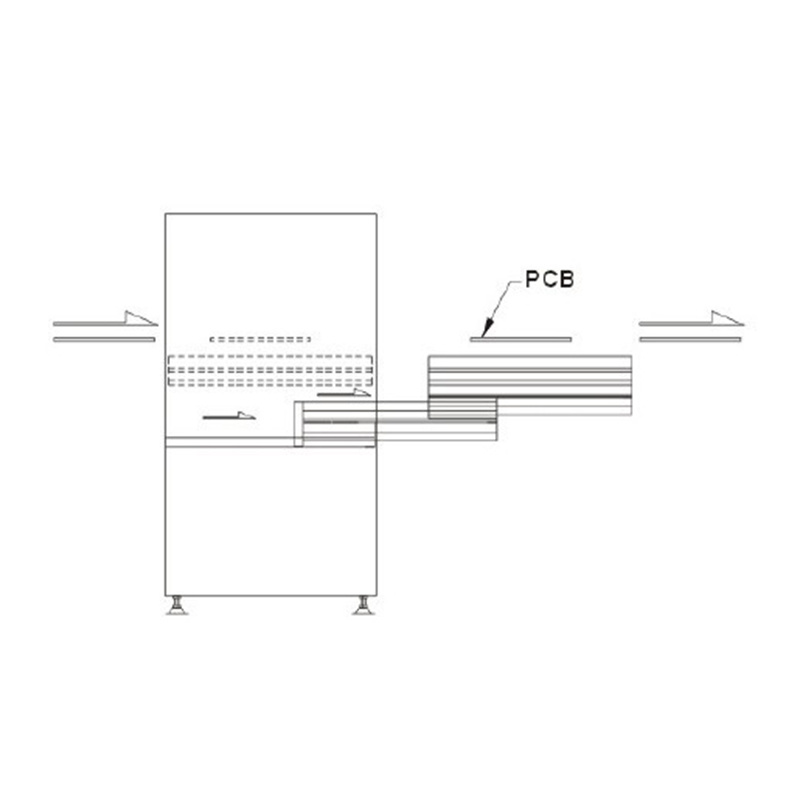
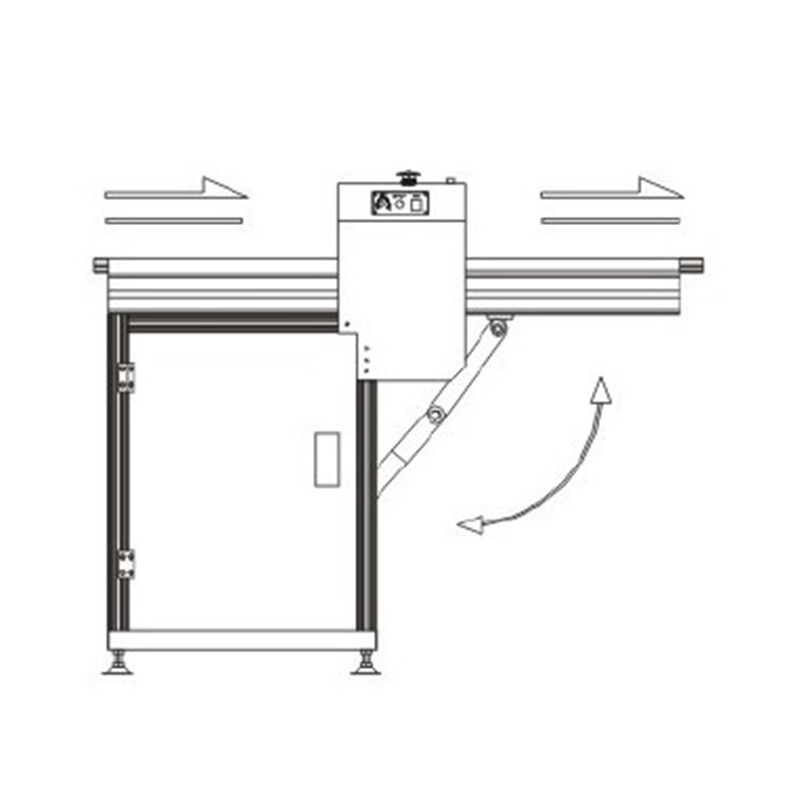
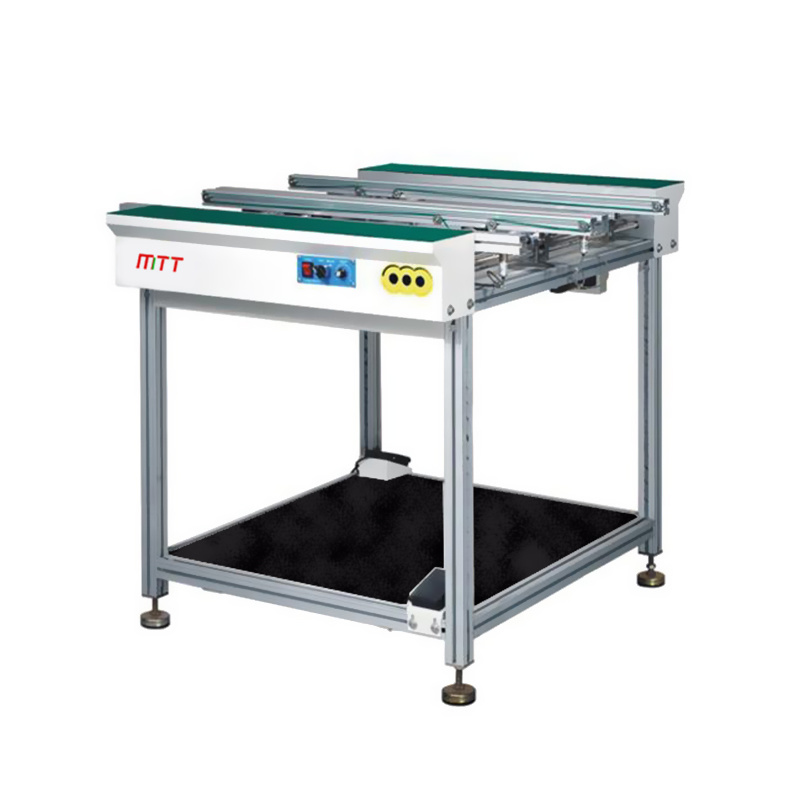
SMT (Surface Mount Technology) loading machines are specialized equipment designed to load components onto conveyor belts for assembly or further processing. These machines typically work in conjunction with pick-and-place systems and automated assembly lines, ensuring that components are placed accurately and efficiently.
The Importance of SMT Loading Machines
SMT loading machines play a pivotal role in modern conveyor systems. Their integration leads to a multitude of benefits that enhance both productivity and product quality.
Enhancing Efficiency in Production Lines
One of the primary advantages of SMT loading machines is their ability to significantly increase the **throughput** of production lines. By automating the loading process, these machines reduce the time required to load components onto the conveyor. This speed ensures that production lines maintain high output levels without sacrificing quality.
Improving Accuracy and Reducing Errors
The precision offered by SMT loading machines minimizes the chances of errors during the loading process. With advanced settings and calibration, these machines ensure that components are placed exactly where needed, eliminating the risk of misalignment that can lead to defects in the final product.
Streamlining Workflow Processes
Incorporating SMT loading machines into conveyor systems streamlines workflow processes. By automating the loading phase, manufacturers can redirect labor towards more complex tasks that require human oversight, thereby optimizing the overall productivity of the workforce.
Key Features of SMT Loading Machines
Understanding the features of SMT loading machines can help businesses choose the right equipment for their conveyor systems.
Speed and Efficiency
SMT loading machines are designed for high-speed operation. Equipped with advanced motor systems, they can handle large volumes of components in a short amount of time, maintaining a steady flow along the conveyor.
Flexibility and Adaptability
These machines are often designed to handle a variety of components, making them versatile tools in a production environment. Whether loading small electronic parts or larger mechanical components, SMT loading machines can be adapted to suit diverse manufacturing needs.
Integration with Automated Systems
SMT loading machines can seamlessly integrate with other automated systems, such as **robotic arms** and **vision systems**, creating a cohesive production line. This compatibility ensures that each element of the manufacturing process communicates effectively, leading to enhanced operational efficiency.
Benefits of Using SMT Loading Machines in Conveyor Systems
Integrating SMT loading machines into conveyor systems offers several benefits that contribute to an organization’s bottom line.
Cost-Effectiveness
While the initial investment in SMT loading machines may be significant, the long-term savings are undeniable. By reducing labor costs and minimizing errors that lead to waste, businesses can achieve a swift return on investment.
Enhanced Product Quality
With improved accuracy in loading, the likelihood of defects decreases. This enhanced quality results in fewer returns and higher customer satisfaction, ultimately contributing to a better brand reputation.
Increased Safety
By automating labor-intensive processes, SMT loading machines reduce the risk of workplace injuries associated with manual loading. As a result, organizations can maintain a safer working environment for their employees.
Choosing the Right SMT Loading Machine
When selecting an SMT loading machine for your conveyor system, several factors must be considered to ensure optimal performance.
Assessing Your Production Needs
Understanding the specific requirements of your production line is crucial. Consider the types of components that will be loaded, the speed at which they need to be processed, and the overall layout of your facility.
Evaluating Machine Specifications
Review the technical specifications of potential SMT loading machines. Look for features such as loading speed, component capacity, and compatibility with existing systems to ensure you select the best option for your needs.
Considering Future Scalability
As your business grows, your production needs may change. Choose SMT loading machines that offer scalability options, allowing for upgrades and adjustments as required.
Case Studies: Success Stories of SMT Loading Machine Integration
Examining real-life examples can provide valuable insights into the benefits of SMT loading machines.
Case Study 1: Electronics Manufacturer
An electronics manufacturer reported a 30% increase in production output after integrating SMT loading machines into their conveyor systems. The accuracy of the loading process reduced defects, leading to higher product quality and customer satisfaction.
Case Study 2: Automotive Parts Supplier
An automotive parts supplier implemented SMT loading machines to streamline their assembly line. The result was a significant reduction in labor costs and a faster turnaround time, enabling the company to fulfill orders more efficiently.
Future Trends in SMT Loading Machines and Conveyor Systems
As technology continues to advance, SMT loading machines and conveyor systems are expected to evolve further.
Smart Technologies and IoT Integration
The integration of smart technologies and the Internet of Things (IoT) will enhance the capabilities of SMT loading machines. This connectivity allows for real-time monitoring and adjustments, optimizing performance and predictive maintenance.
Increased Automation and Robotics
The trend toward increased automation will likely result in more sophisticated SMT loading machines that work seamlessly with advanced robotics. This evolution will lead to even greater efficiencies and reduced production costs.
FAQs about SMT Loading Machines and Conveyor Systems
1. What are SMT loading machines used for?
SMT loading machines are primarily used to load electronic components onto conveyor systems for further processing in manufacturing environments.
2. How do SMT loading machines improve production efficiency?
These machines enhance production efficiency by automating the loading process, thereby reducing time spent on manual tasks and increasing throughput.
3. Are SMT loading machines compatible with all conveyor systems?
Most SMT loading machines are designed to integrate with various conveyor systems, but compatibility should be confirmed based on the specific models used.
4. What factors should I consider when purchasing an SMT loading machine?
Consider production needs, machine specifications, scalability for future growth, and the types of components to be loaded.
5. How can SMT loading machines contribute to workplace safety?
By automating the loading process, SMT loading machines reduce the risk of manual handling injuries, creating a safer working environment for employees.
Conclusion
In conclusion, SMT loading machines are indispensable components of modern conveyor systems. They enhance efficiency, accuracy, and safety in production lines, making them essential for manufacturers striving to compete in a fast-paced industry. By understanding the functionality and benefits of these machines, businesses can make informed decisions that will not only streamline their operations but also lead to long-term success in the market. Transitioning to an automated system that includes SMT loading machines is a strategic move that can yield significant dividends in productivity and profitability.
Related News