

Understanding SMT Transfer Conveyors: Key Insights for Industrial Applications


2026-09-29
In the realm of industrial equipment and components, SMT transfer conveyors play a crucial role in the efficient movement of products throughout manufacturing processes. These conveyors are specifically designed to cater to surface mount technology (SMT) applications, which are essential in electronics manufacturing. Understanding the key aspects of SMT transfer conveyors can significantly enhance your operational efficiency and productivity.
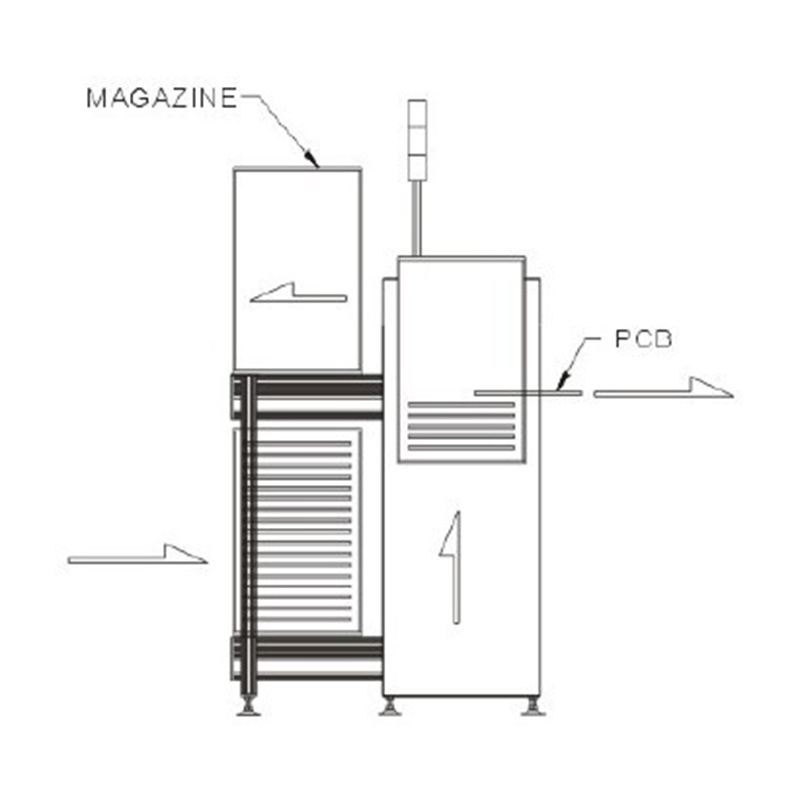
An SMT transfer conveyor is primarily used for transporting printed circuit boards (PCBs) and other components during the assembly process. One of the main benefits of using an SMT transfer conveyor is its ability to provide a stable and secure platform for delicate items. This minimizes the risk of damage during transportation, ensuring that products are moved without any defects.
Another significant advantage of SMT transfer conveyors is their modular design, which allows for easy integration with existing production lines. This flexibility enables manufacturers to customize their conveyor systems to fit specific operational needs. Whether you require a straight conveyor or a system with multiple turns, SMT transfer conveyors can be tailored accordingly. This adaptability not only streamlines workflow but also enhances overall efficiency in the manufacturing environment.
Additionally, SMT transfer conveyors can be equipped with various features, such as adjustable speeds and precise motion control, allowing operators to manage the flow of materials effectively. This level of control is vital in high-speed environments where timing is critical. The ability to adjust conveyor speeds can help sync processes within a production line, reducing bottlenecks and increasing throughput.
Moreover, maintenance and ease of use are important considerations when selecting an SMT transfer conveyor. Many modern systems are designed with user-friendly interfaces and require minimal maintenance, which can save time and resources in the long run. Regularly scheduled maintenance can further extend the life of the conveyor, ensuring that it continues to operate at peak performance.
In conclusion, SMT transfer conveyors are an invaluable asset in the industrial equipment sector, particularly within electronics manufacturing. Their ability to transport sensitive components safely, coupled with flexibility in design and ease of maintenance, makes them a preferred choice for many manufacturers. By understanding the functionalities and benefits of SMT transfer conveyors, businesses can optimize their production processes and achieve better overall efficiency. Integrating these conveyors into your operations may prove to be a strategic decision that enhances productivity and supports growth in the competitive manufacturing landscape.
Related News