

SMT Line Conveyors vs. Traditional Conveyors: Which System Reigns Supreme?


2026-10-04
SMT Line Conveyors vs. Traditional Conveyors: Which System Reigns Supreme?
Table of Contents
- Understanding Conveyor Systems
- What Are SMT Line Conveyors?
- What Are Traditional Conveyors?
- Key Differences Between SMT and Traditional Conveyors
- Advantages of SMT Line Conveyors
- Advantages of Traditional Conveyors
- Considerations for Choosing the Right Conveyor
- Frequently Asked Questions
- Conclusion
Understanding Conveyor Systems
In the realm of industrial manufacturing, **conveyor systems** serve as a critical component in streamlining processes, enhancing productivity, and minimizing manual labor. These systems transport materials, products, and components throughout various stages of production, ensuring efficiency and consistency. Selecting the right conveyor system can significantly impact operational effectiveness, making it essential to understand the differences between the available options, particularly **SMT line conveyors** and **traditional conveyors**.
What Are SMT Line Conveyors?
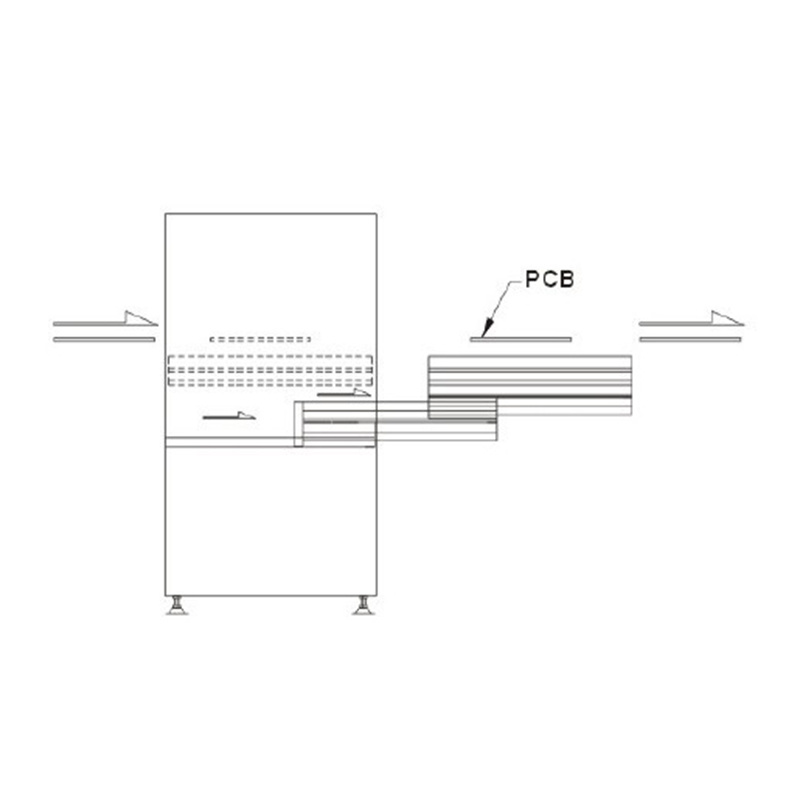
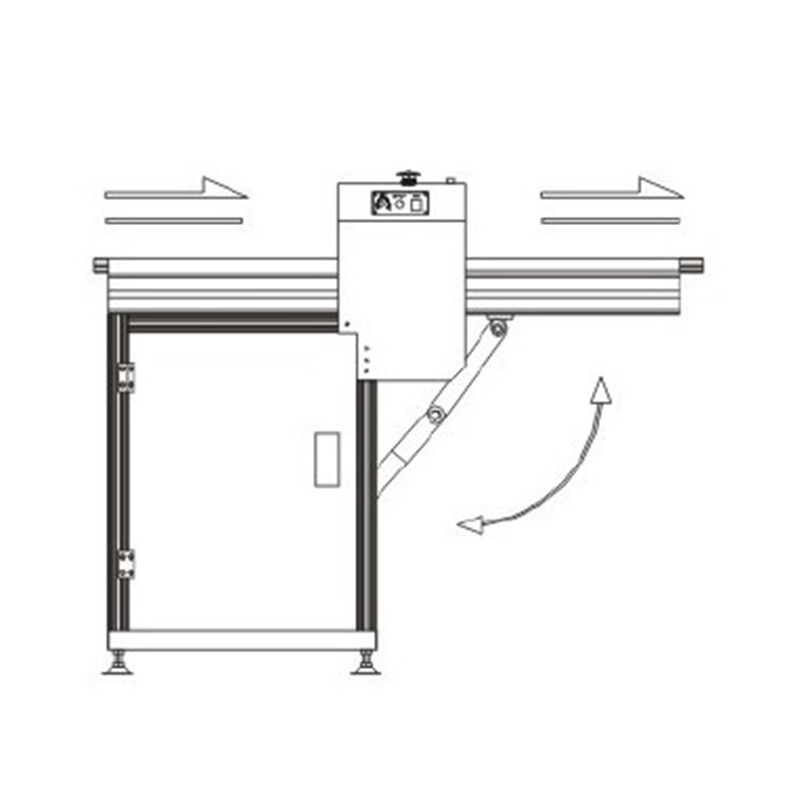
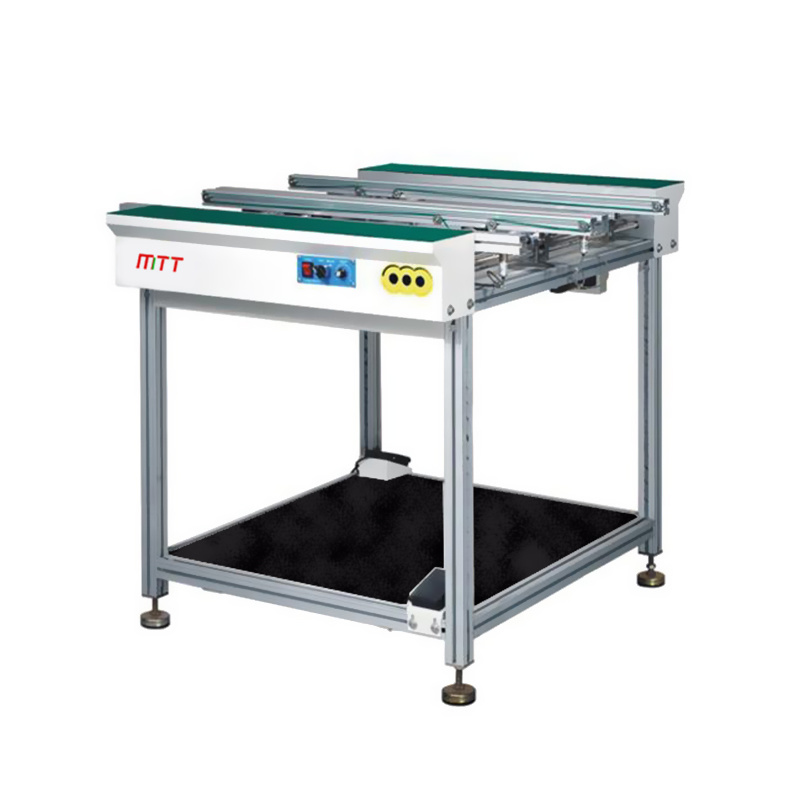
**SMT (Surface Mount Technology) Line Conveyors** are specifically designed for the electronics manufacturing industry. These conveyors facilitate the assembly of electronic components onto printed circuit boards (PCBs). The unique features of SMT line conveyors include:
- **Modular Design:** SMT line conveyors often have a modular structure, which makes them easy to customize based on specific production needs.
- **Precision Movement:** They ensure precise movement, essential for handling delicate electronic components without causing damage.
- **Integrated Functions:** Many SMT line conveyors incorporate additional functionalities like inspection stations, component feeding, and board handling, providing a comprehensive solution for electronics assembly.
What Are Traditional Conveyors?
**Traditional conveyors** encompass a broader category of conveyor systems used across various industries, including manufacturing, packaging, and distribution. The most common types of traditional conveyors include:
- **Belt Conveyors:** Ideal for transporting bulk materials and products over long distances.
- **Roller Conveyors:** Commonly used for heavy items, allowing for gravity-powered movement.
- **Chain Conveyors:** Efficient in moving heavy loads, particularly in automotive and assembly line applications.
While traditional conveyors are versatile, they may not always offer the specialized features required for intricate tasks like those performed in SMT assembly processes.
Key Differences Between SMT and Traditional Conveyors
When comparing **SMT line conveyors** with **traditional conveyors**, several key differences become apparent:
1. Design and Functionality
SMT line conveyors are typically designed with precision in mind, focusing on the unique needs of electronics manufacturing. Traditional conveyors, on the other hand, are constructed to handle a diverse array of products and materials, which may lack the specialized features required for delicate electronic components.
2. Flexibility and Customization
SMT line conveyors often offer greater flexibility and customization options, allowing manufacturers to adapt their systems to accommodate various production processes. Traditional conveyors may have limited customization capabilities, making them less suitable for specialized manufacturing tasks.
3. Integration with Other Systems
SMT line conveyors frequently integrate seamlessly with other assembly and testing equipment, enhancing overall workflow efficiency. Traditional conveyors might require additional modifications or systems to achieve similar integration.
4. Maintenance and Upkeep
Maintenance needs can vary greatly between the two systems. SMT line conveyors might demand more frequent checks due to their delicate handling requirements, while traditional conveyors may require less frequent maintenance, depending on their design and load capacity.
Advantages of SMT Line Conveyors
Investing in **SMT line conveyors** brings several benefits to electronics manufacturers:
1. Increased Efficiency
SMT line conveyors are designed to facilitate rapid production cycles, which can significantly increase overall operational efficiency. Their precision movement minimizes errors and reduces production downtime.
2. Enhanced Safety
These conveyors are equipped with features that enhance workplace safety, such as low-profile designs that prevent accidental tipping and advanced sensors that detect and stop the conveyor in case of obstructions.
3. Streamlined Workflow
With integrated functionalities, SMT line conveyors help streamline the manufacturing workflow, allowing for more effective production management. This results in a more organized assembly line and quicker turnaround times for products.
4. Precision Handling
The delicate nature of electronic components requires careful handling, and SMT line conveyors provide the precision needed to avoid damage, ensuring higher product quality.
Advantages of Traditional Conveyors
While SMT line conveyors have their unique strengths, traditional conveyors offer their own set of advantages:
1. Versatility
Traditional conveyors can be utilized across various industries for multiple applications, making them a versatile choice for manufacturers who require a general-purpose solution.
2. Cost-Effective
In many cases, traditional conveyors may offer a lower initial investment compared to specialized SMT line conveyors, making them a cost-effective option for businesses with limited budgets.
3. Simple Maintenance
These systems often feature straightforward designs that simplify maintenance tasks, reducing downtime and keeping production lines running efficiently.
4. Robust Durability
Traditional conveyors are built to withstand heavy loads and harsh conditions, which is advantageous for industries dealing with substantial materials and products.
Considerations for Choosing the Right Conveyor
Selecting the appropriate conveyor system for your operations involves careful consideration of several factors:
1. Production Needs
Assess your specific production requirements. If your facility focuses on electronics manufacturing, **SMT line conveyors** may be the best choice. For more general applications, traditional conveyors might suffice.
2. Budget Constraints
Evaluate your budget and consider the long-term costs associated with each option, including installation, maintenance, and potential downtime.
3. Space Availability
Consider the layout of your facility and the space available for installing a conveyor system. SMT line conveyors often require a more compact footprint, while traditional conveyors may be larger and require more space.
4. Future Scalability
Look ahead and consider your business's growth potential. If you anticipate changes in production needs, opt for a conveyor system that can adapt and scale with your operations.
Frequently Asked Questions
1. What type of products are best suited for SMT line conveyors?
SMT line conveyors are ideal for delicate electronic components and printed circuit boards that require precise handling and assembly.
2. Are traditional conveyors suitable for heavy industrial applications?
Yes, traditional conveyors are often designed to handle heavy loads, making them suitable for various industrial applications, including automotive and manufacturing.
3. How do I maintain my SMT line conveyor?
Regular maintenance for SMT line conveyors includes routine inspections, cleaning, and ensuring that all moving parts are well-lubricated to prevent wear and tear.
4. Can I integrate other equipment with traditional conveyors?
Yes, traditional conveyors can often be integrated with additional equipment, but the complexity may vary depending on the type of conveyor and the equipment involved.
5. What is the lifespan of an SMT line conveyor?
The lifespan of an SMT line conveyor can vary based on usage, maintenance, and operating conditions but can generally last several years with proper care.
Conclusion
Choosing between **SMT line conveyors** and **traditional conveyors** ultimately depends on your specific business needs, production processes, and budget. SMT line conveyors excel in precision and workflow integration, making them ideal for electronics manufacturing, while traditional conveyors offer versatility and durability for a broader range of applications. By thoroughly evaluating your operational requirements and considering factors such as budget, space, and scalability, you can make an informed decision that enhances your production efficiency and supports your business goals.
Related News