

Choosing the Right SMT Loading Machine for Your Industrial Needs


2026-10-14
Choosing the Right SMT Loading Machine for Your Industrial Needs
Selecting the appropriate Surface Mount Technology (SMT) loading machine is crucial for enhancing efficiency and productivity in industrial operations. Given the complexity and variety of options available in the market, making an informed choice can be daunting. This guide will provide you with all the necessary insights, from understanding the different types of SMT loading machines to assessing their features and advantages.
Table of Contents
1. Understanding SMT Loading Machines
2. Key Features to Consider When Choosing an SMT Loading Machine
3. Types of SMT Loading Machines
4. Factors Influencing Your Choice of SMT Loading Machine
5. Advantages of High-Quality SMT Loading Machines
6. Common Misconceptions About SMT Loading Machines
7. Maintenance Tips for SMT Loading Machines
8. Frequently Asked Questions (FAQs)
1. Understanding SMT Loading Machines
SMT loading machines are specialized equipment designed to automate the process of placing surface mount devices (SMDs) onto printed circuit boards (PCBs). These machines play a pivotal role in modern electronics manufacturing, allowing for increased speed, accuracy, and efficiency. Understanding the function and capabilities of SMT loading machines is the first step in selecting the right model for your industrial needs.
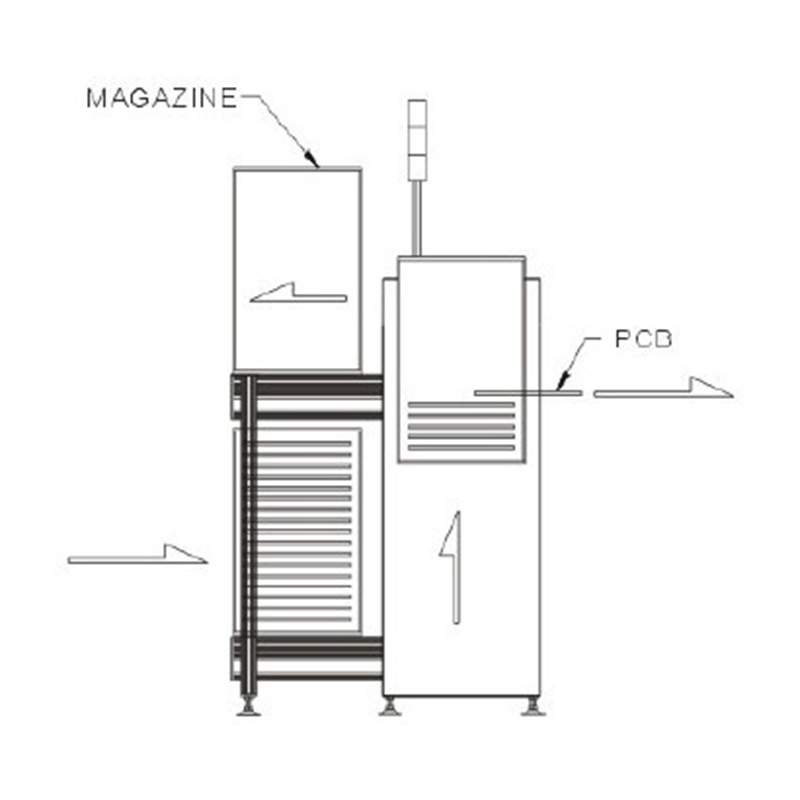
SMT loading machines typically consist of several components, including feeders, placement heads, and a conveyor system, which work in tandem to handle components and PCBs. This machinery not only streamlines assembly processes but also reduces the potential for human error, resulting in higher production quality.
2. Key Features to Consider When Choosing an SMT Loading Machine
When evaluating SMT loading machines, several key features should be taken into account to ensure you select the best option for your manufacturing environment:
2.1 Speed and Throughput
The speed of an SMT loading machine is crucial for maximizing production efficiency. Look for machines that offer a high placement rate, measured in components per hour (CPH), to ensure your production lines can meet demand without delays.
2.2 Precision and Accuracy
Precision is paramount in electronics manufacturing. An SMT loading machine that guarantees high placement accuracy minimizes the risk of defects and ensures the reliability of your final products. Investigate machines with advanced vision systems that aid in component alignment and placement.
2.3 Flexibility and Configurability
Consider how adaptable the SMT loading machine is to different production runs. A machine that can handle various component sizes and types will provide added value and accommodate future changes in your manufacturing process.
2.4 User Interface
An intuitive user interface can significantly impact the ease of operation. Look for machines with user-friendly touchscreens and programming capabilities that allow operators to make adjustments quickly and efficiently.
2.5 Integration Capabilities
The ability to integrate your SMT loading machine with other equipment and software systems is essential. Ensure the machine can seamlessly work with your existing production line, including conveyors, inspection systems, and enterprise resource planning (ERP) software.
3. Types of SMT Loading Machines
Understanding the different types of SMT loading machines available can further aid in your selection process:
3.1 Manual SMT Loading Machines
These machines require operator intervention for loading components onto PCBs. While they typically have lower initial costs, they may not be suitable for high-volume production environments.
3.2 Semi-Automatic SMT Loading Machines
Semi-automatic machines offer a blend of manual and automated processes. Operators may need to load components, but machines automate the placement process, which improves efficiency compared to manual loading.
3.3 Fully Automatic SMT Loading Machines
Designed for high-volume production, fully automatic SMT loading machines handle the entire loading and placement process with minimal human intervention. These machines are equipped with advanced technologies and are ideal for large-scale manufacturing.
4. Factors Influencing Your Choice of SMT Loading Machine
Several factors can influence your decision when selecting an SMT loading machine:
4.1 Production Volume
Assess your production needs: Are you focusing on low-volume, high-mix production or high-volume, low-mix production? Your answer will guide you toward the most suitable machine type.
4.2 Budget Constraints
Determine your budget for the SMT loading machine, factoring in not only the purchase price but also operational costs, maintenance, and potential upgrades.
4.3 Space Availability
The physical footprint of the SMT loading machine must fit your production area. Ensure you have adequate space for the machine and any ancillary equipment.
4.4 Future Scalability
Consider your long-term production goals. Investing in a scalable SMT loading machine that can adapt to future growth will save you from needing to upgrade too soon.
5. Advantages of High-Quality SMT Loading Machines
Investing in a high-quality SMT loading machine can yield numerous benefits, including:
5.1 Improved Efficiency
High-quality machines operate faster and with greater precision, which translates to increased productivity and reduced cycle times.
5.2 Enhanced Reliability
A reliable SMT loading machine reduces the likelihood of breakdowns and defects, resulting in a more consistent and quality output.
5.3 Cost-Effectiveness
While the initial investment may be higher, quality machines often provide better long-term value through lower operational costs and reduced waste.
6. Common Misconceptions About SMT Loading Machines
Before making your purchase, it's essential to dispel some common misconceptions about SMT loading machines:
6.1 "All Machines Are the Same"
In reality, SMT loading machines vary greatly in features, capabilities, and performance. A thorough understanding of your specific needs will help in selecting the right machine.
6.2 "Higher Price Equals Better Quality"
While price can be an indicator of quality, it is not the sole determinant. Conducting thorough research and evaluations based on your criteria will yield better results than simply opting for the most expensive model.
7. Maintenance Tips for SMT Loading Machines
To ensure the longevity and optimal performance of your SMT loading machine, regular maintenance is critical. Here are some key maintenance tips:
7.1 Regular Cleaning
Keep the machine clean from dust and debris to prevent malfunctions. Regularly inspect components and replace worn parts as necessary.
7.2 Scheduled Inspections
Implement a routine inspection schedule to identify potential issues before they escalate into major problems.
7.3 Operator Training
Ensure that all operators are well-trained in the proper usage and maintenance of the machine. This reduces the risk of operator error and extends the machine’s operational life.
8. Frequently Asked Questions (FAQs)
FAQ 1: What is the average cost of an SMT loading machine?
The cost of an SMT loading machine can vary widely depending on features and capabilities, typically ranging from $10,000 to $200,000.
FAQ 2: How long does it take to set up an SMT loading machine?
Setup times can vary; however, most machines can be set up within a few hours to a couple of days, depending on complexity and integration needs.
FAQ 3: Can SMT loading machines handle different component sizes?
Yes, many modern SMT loading machines are designed to accommodate various component sizes and types, making them versatile for different production needs.
FAQ 4: What maintenance is required for SMT loading machines?
Routine maintenance includes regular cleaning, part inspections, and training operators on proper usage to ensure optimal performance.
FAQ 5: How can I improve the efficiency of my SMT loading machine?
Regular maintenance, operator training, and investing in high-quality machines with advanced features can significantly enhance efficiency.
Conclusion
Choosing the right SMT loading machine is a critical decision that can significantly impact your manufacturing efficiency and product quality. By understanding the various types of machines, their features, and the factors that influence your choice, you can make an informed decision that aligns with your operational goals. Investing in a high-quality, suitable machine not only improves productivity but also enhances reliability and reduces long-term costs. As you navigate this essential purchase, remember that thorough research and understanding of your unique requirements will guide you to the perfect SMT loading machine for your industrial needs.
Related News