

SMT Line Conveyors: The Backbone of Efficient Modern Manufacturing


2026-04-04
SMT Line Conveyors: The Backbone of Efficient Modern Manufacturing
Table of Contents
- 1. Introduction to SMT Line Conveyors
- 2. Importance of SMT Line Conveyors in Manufacturing
- 3. Types of SMT Line Conveyors
- 4. Key Components of SMT Line Conveyors
- 5. Technologies Involved in SMT Line Conveyors
- 6. Benefits of Implementing SMT Line Conveyors
- 7. Maintenance of SMT Line Conveyors
- 8. The Future of SMT Line Conveyors
- 9. Frequently Asked Questions (FAQs)
- 10. Conclusion
1. Introduction to SMT Line Conveyors
SMT (Surface Mount Technology) line conveyors play a pivotal role in the assembly processes of electronics manufacturing. These specialized conveyor systems are designed to transport electronic components, circuit boards, and finished products through various stages of assembly. With the rapid advancement of technology and increasing demand for high-quality electronic products, the efficiency and reliability of SMT line conveyors have never been more critical.
In this article, we will delve into the various aspects of SMT line conveyors, including their types, components, technologies, benefits, and maintenance. By the end, you will gain a comprehensive understanding of why these conveyors are essential in modern manufacturing.
2. Importance of SMT Line Conveyors in Manufacturing
The significance of SMT line conveyors in manufacturing cannot be overstated. They serve as a crucial link in the production chain, ensuring a smooth flow of materials and components. Here are some key reasons why SMT line conveyors are important:
Enhanced Efficiency
SMT line conveyors streamline the manufacturing process by reducing manual handling and minimizing bottlenecks. These systems can operate continuously, allowing for a higher throughput of products and components.
Improved Quality Control
By automating the transport of items, SMT line conveyors help maintain consistent quality in manufacturing. They reduce the likelihood of human error, ensuring that components are handled with care and precision.
Flexibility in Production
Modern SMT line conveyors can be easily reconfigured to accommodate different types of products. This flexibility allows manufacturers to adapt quickly to changing market demands and production requirements.
Cost-Effective Solutions
While the initial investment in SMT line conveyors may be significant, the long-term savings in labor costs and increased productivity often outweigh these costs. Manufacturers can achieve higher outputs with fewer resources, ultimately leading to increased profitability.
3. Types of SMT Line Conveyors
There are several types of SMT line conveyors, each designed for specific applications and requirements. Let's explore the most common types:
3.1 Belt Conveyors
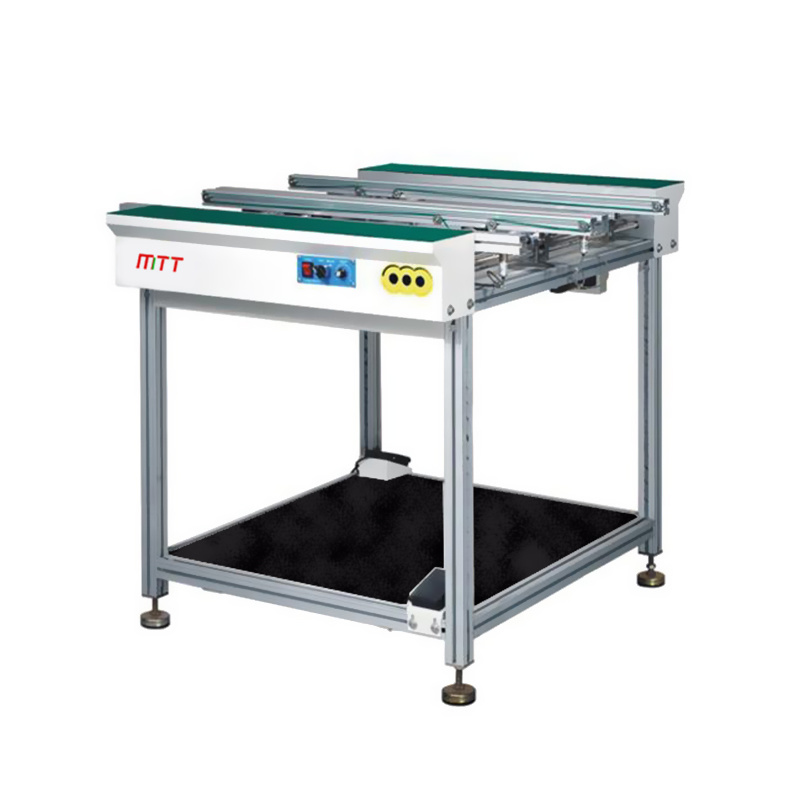
Belt conveyors are the most widely used type of conveyor in SMT lines. They consist of a continuous belt that moves materials and components from one point to another. These conveyors are suitable for transporting a wide range of products, from small electronic components to larger assemblies.
3.2 Roller Conveyors
Roller conveyors utilize a series of rollers to transport items. They can be powered or gravity-driven and are often used in conjunction with other types of conveyors. Roller conveyors are ideal for handling boxes, pallets, and other bulky items commonly found in manufacturing environments.
3.3 Chain Conveyors
Chain conveyors are designed for heavy-duty applications where durable and robust transportation is required. They use a chain system to move products along the conveyor path. This type of conveyor is particularly suited for transporting heavy loads or materials that require precise positioning.
4. Key Components of SMT Line Conveyors
Understanding the key components of SMT line conveyors is essential for appreciating their functionality. The main components include:
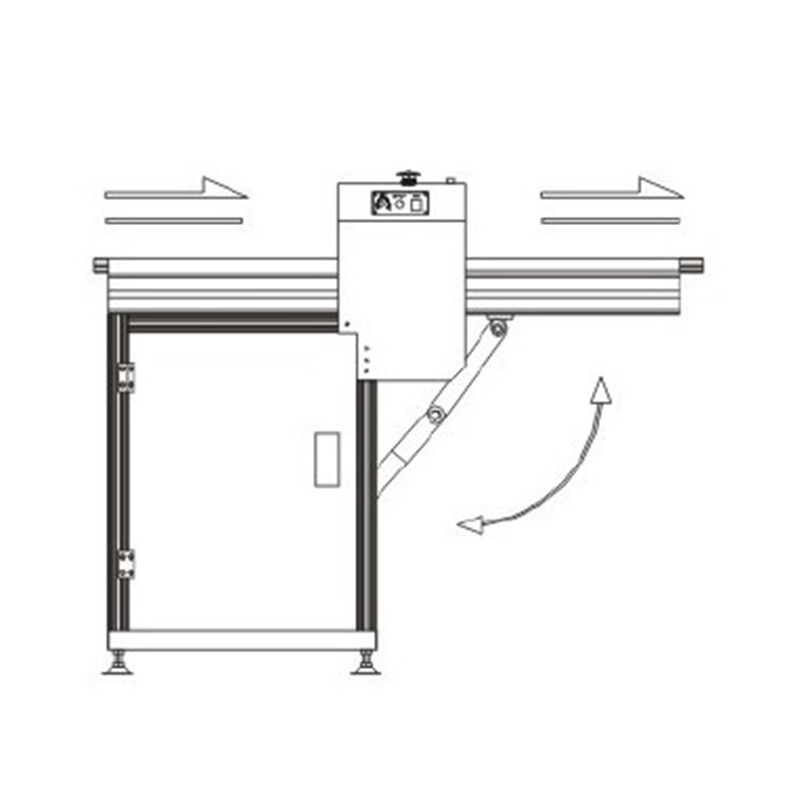
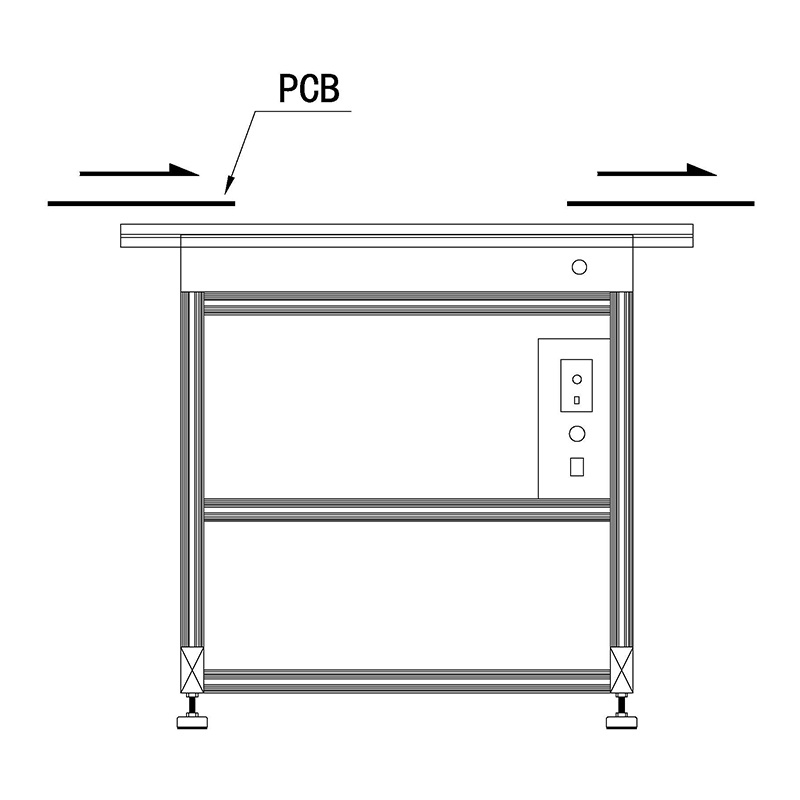
Conveyor Frame
The frame provides structural support for the conveyor system. It is typically constructed from steel or aluminum, ensuring durability and stability.
Belt or Roller System
The belt or roller system is responsible for moving materials along the conveyor. Depending on the conveyor type, this could be a rubber belt, metal rollers, or plastic chains.
Drive Motor
The drive motor powers the conveyor system, providing the necessary force to move the belt or rollers. Variable speed options allow for adjustments based on production needs.
Controls and Sensors
Modern SMT line conveyors incorporate advanced controls and sensors for monitoring and managing operations. These systems can detect jams, adjust speeds, and provide real-time data to operators.
5. Technologies Involved in SMT Line Conveyors
The advancement of technology has significantly impacted the design and functionality of SMT line conveyors. Key technologies include:
Automation and Robotics
Automation has revolutionized manufacturing processes. By integrating robotics with SMT line conveyors, manufacturers can achieve higher levels of efficiency and precision in component handling and assembly.
IoT Integration
The Internet of Things (IoT) allows for real-time monitoring and data collection. SMT line conveyors equipped with IoT sensors can provide insights into operational performance, enabling manufacturers to make data-driven decisions.
Smart Controls
Smart control systems enhance the functionality of SMT line conveyors. These systems enable operators to manage multiple conveyors from a single interface, allowing for seamless operations across the manufacturing floor.
6. Benefits of Implementing SMT Line Conveyors
Investing in SMT line conveyors offers numerous benefits that can significantly enhance manufacturing operations. Some of the most notable advantages include:
Increased Throughput
By minimizing manual intervention and optimizing the flow of materials, SMT line conveyors can significantly increase production rates.
Reduced Labor Costs
Automation reduces the need for manual labor, allowing manufacturers to allocate resources more effectively and reduce labor costs.
Enhanced Safety
SMT line conveyors help create a safer work environment by minimizing the risk of accidents associated with manual handling of heavy or delicate components.
Improved Traceability
Many modern SMT line conveyors come equipped with tracking systems that enable manufacturers to monitor the movement of products throughout the production process. This traceability is crucial for quality control and compliance with industry standards.
7. Maintenance of SMT Line Conveyors
Proper maintenance is essential to ensure the longevity and performance of SMT line conveyors. Key maintenance practices include:
Regular Inspections
Conducting regular inspections of conveyor components helps identify wear and tear before it leads to failure. Operators should check belts, motors, and controls regularly.
Lubrication
Keeping moving parts lubricated is crucial for reducing friction and preventing breakdowns. Regular lubrication schedules should be established based on manufacturer recommendations.
Cleaning
Maintaining a clean conveyor system prevents dust and debris buildup, which can lead to operational issues. Regular cleaning routines should be implemented to keep conveyors functioning optimally.
8. The Future of SMT Line Conveyors
As technology continues to evolve, the future of SMT line conveyors looks promising. Innovations such as artificial intelligence and machine learning will further enhance the capabilities of these systems. Manufacturers can expect smarter, more efficient, and adaptable conveyor solutions that will meet the demands of an ever-changing market.
9. Frequently Asked Questions (FAQs)
What are SMT line conveyors?
SMT line conveyors are specialized systems designed to transport electronic components and assemblies through various stages of production, enhancing efficiency and quality control.
What types of SMT line conveyors are available?
Common types of SMT line conveyors include belt conveyors, roller conveyors, and chain conveyors, each designed for specific applications.
How do SMT line conveyors improve manufacturing efficiency?
By automating the transport of materials, SMT line conveyors reduce manual handling, minimize bottlenecks, and allow for continuous operation, increasing production rates.
What maintenance is required for SMT line conveyors?
Regular inspections, lubrication of moving parts, and routine cleaning are essential maintenance practices to ensure optimal performance and longevity.
What is the future of SMT line conveyors?
The future of SMT line conveyors will likely involve advancements in automation, IoT integration, and smart controls, leading to more efficient and flexible manufacturing processes.
10. Conclusion
SMT line conveyors are undeniably integral to modern manufacturing, particularly in the electronics sector. Their ability to enhance efficiency, improve quality control, and offer flexibility makes them indispensable in today’s fast-paced industrial landscape. As technology evolves, the role of these conveyors will continue to expand, driving innovation and productivity in manufacturing processes. Investing in the right SMT line conveyor system can yield significant returns, ensuring that manufacturers remain competitive and responsive to market demands.
Related News