

Enhancing Efficiency with SMT Transfer Conveyors: A Technical Overview


2026-04-02
---
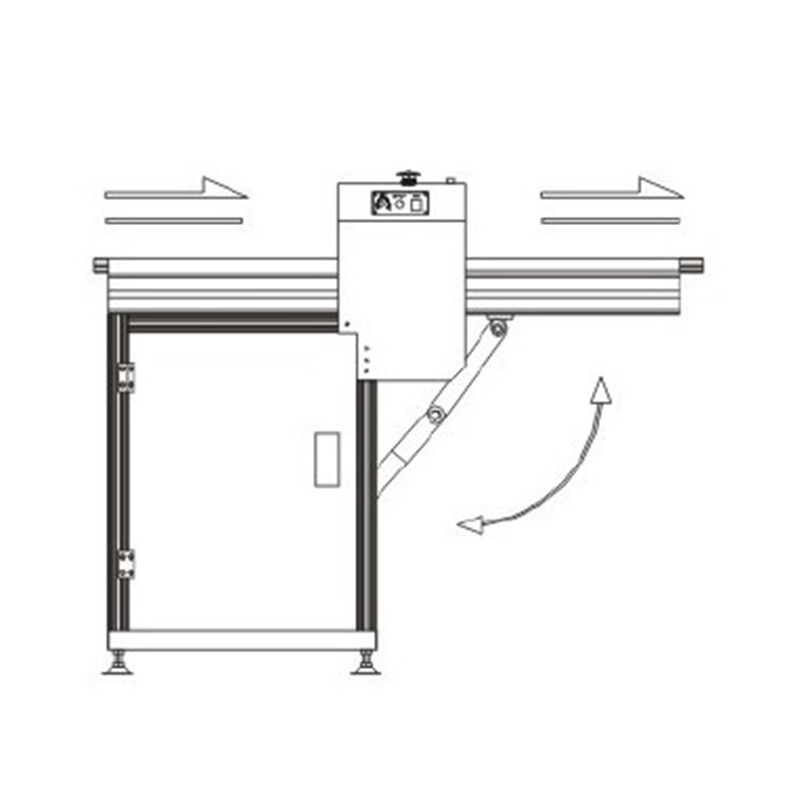
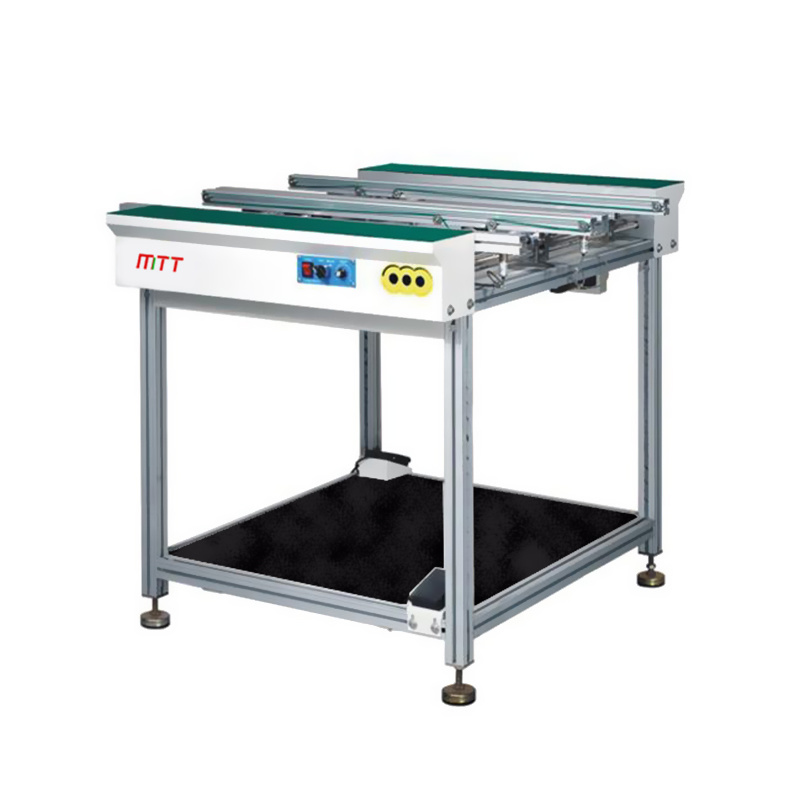
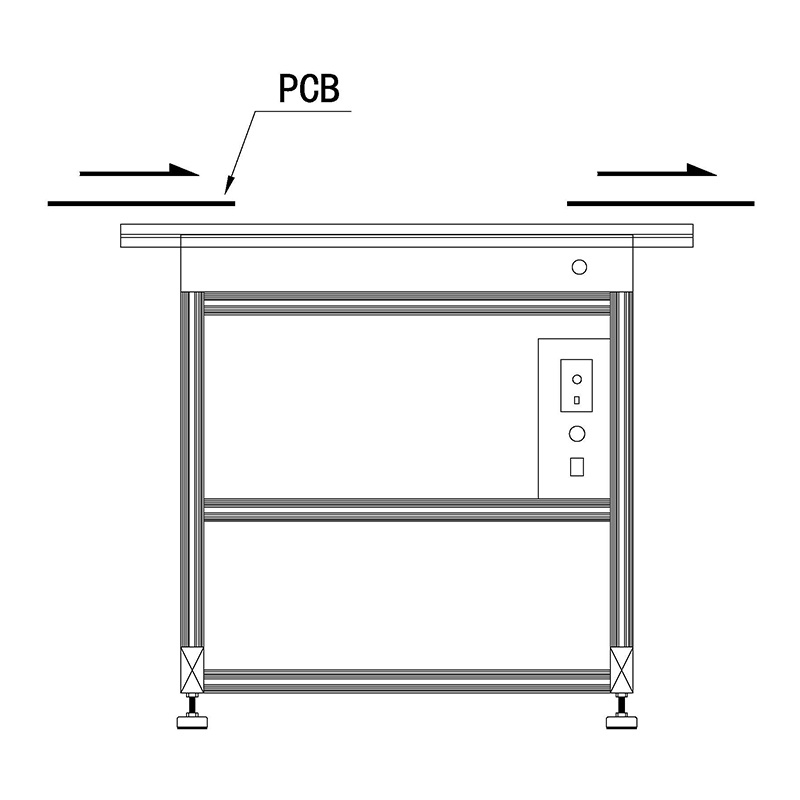
SMT Transfer Conveyors are pivotal in the realm of industrial automation, particularly within the electronics manufacturing sector. They serve a crucial role in the Surface Mount Technology (SMT) assembly process by facilitating the movement of PCB (Printed Circuit Board) assemblies between various stages of production. Understanding their operation, benefits, and applications is essential for professionals seeking to optimize manufacturing processes.
At their core, SMT Transfer Conveyors utilize a belt or roller system to transport materials seamlessly. These systems are engineered to handle delicate electronic components, ensuring that they remain undamaged throughout the transfer. The design typically incorporates adjustable speeds, which can be tailored to accommodate different production rates, enhancing flexibility in the manufacturing environment. Additionally, many SMT Transfer Conveyors are equipped with sensors and controls that allow for real-time monitoring, ensuring that any issues are promptly addressed.
One of the primary advantages of SMT Transfer Conveyors is their ability to improve efficiency. By automating the transfer of materials, manufacturers can significantly reduce labor costs and minimize the potential for human error. This not only speeds up production times but also ensures greater consistency in the handling of components. Furthermore, these conveyors can be integrated with other machines and systems within the production line, creating a fully automated workflow that enhances overall productivity.
Another key aspect of SMT Transfer Conveyors is their adaptability. They are designed to handle various sizes and types of PCBs, making them suitable for a wide range of applications. Whether in high-volume production runs or smaller batch operations, these conveyors can be adjusted to meet the specific needs of the manufacturing process. Their modular design often allows for easy reconfiguration, which is particularly beneficial in environments where production requirements frequently change.
In addition to efficiency and adaptability, SMT Transfer Conveyors also contribute to improved workplace safety. By reducing the necessity for manual handling, the risk of workplace injuries is significantly minimized. Moreover, the integration of safety features, such as emergency stop buttons and safety guards, further enhances the operational safety of these systems.
In conclusion, SMT Transfer Conveyors play an indispensable role in modern manufacturing, especially within the electronics industry. Their ability to streamline processes, enhance safety, and adapt to varying production needs makes them a vital component in the quest for operational excellence. For professionals in the field, a thorough understanding of these systems can lead to significant improvements in manufacturing productivity and efficiency. By leveraging the capabilities of SMT Transfer Conveyors, manufacturers can stay competitive in an increasingly automated industrial landscape.
SMT Transfer Conveyors are pivotal in the realm of industrial automation, particularly within the electronics manufacturing sector. They serve a crucial role in the Surface Mount Technology (SMT) assembly process by facilitating the movement of PCB (Printed Circuit Board) assemblies between various stages of production. Understanding their operation, benefits, and applications is essential for professionals seeking to optimize manufacturing processes.
At their core, SMT Transfer Conveyors utilize a belt or roller system to transport materials seamlessly. These systems are engineered to handle delicate electronic components, ensuring that they remain undamaged throughout the transfer. The design typically incorporates adjustable speeds, which can be tailored to accommodate different production rates, enhancing flexibility in the manufacturing environment. Additionally, many SMT Transfer Conveyors are equipped with sensors and controls that allow for real-time monitoring, ensuring that any issues are promptly addressed.
One of the primary advantages of SMT Transfer Conveyors is their ability to improve efficiency. By automating the transfer of materials, manufacturers can significantly reduce labor costs and minimize the potential for human error. This not only speeds up production times but also ensures greater consistency in the handling of components. Furthermore, these conveyors can be integrated with other machines and systems within the production line, creating a fully automated workflow that enhances overall productivity.
Another key aspect of SMT Transfer Conveyors is their adaptability. They are designed to handle various sizes and types of PCBs, making them suitable for a wide range of applications. Whether in high-volume production runs or smaller batch operations, these conveyors can be adjusted to meet the specific needs of the manufacturing process. Their modular design often allows for easy reconfiguration, which is particularly beneficial in environments where production requirements frequently change.
In addition to efficiency and adaptability, SMT Transfer Conveyors also contribute to improved workplace safety. By reducing the necessity for manual handling, the risk of workplace injuries is significantly minimized. Moreover, the integration of safety features, such as emergency stop buttons and safety guards, further enhances the operational safety of these systems.
In conclusion, SMT Transfer Conveyors play an indispensable role in modern manufacturing, especially within the electronics industry. Their ability to streamline processes, enhance safety, and adapt to varying production needs makes them a vital component in the quest for operational excellence. For professionals in the field, a thorough understanding of these systems can lead to significant improvements in manufacturing productivity and efficiency. By leveraging the capabilities of SMT Transfer Conveyors, manufacturers can stay competitive in an increasingly automated industrial landscape.
Related News