

Optimizing SMT Board Transport: Essential Insights for Efficient Production


2026-05-12
---
SMT (Surface Mount Technology) board transport plays a vital role in the manufacturing of electronic components. The efficient movement of these boards through various stages of production is essential for maintaining high-quality standards and optimizing workflow. Here, we delve into key aspects of SMT board transport, focusing on its importance, methods, and factors to consider.
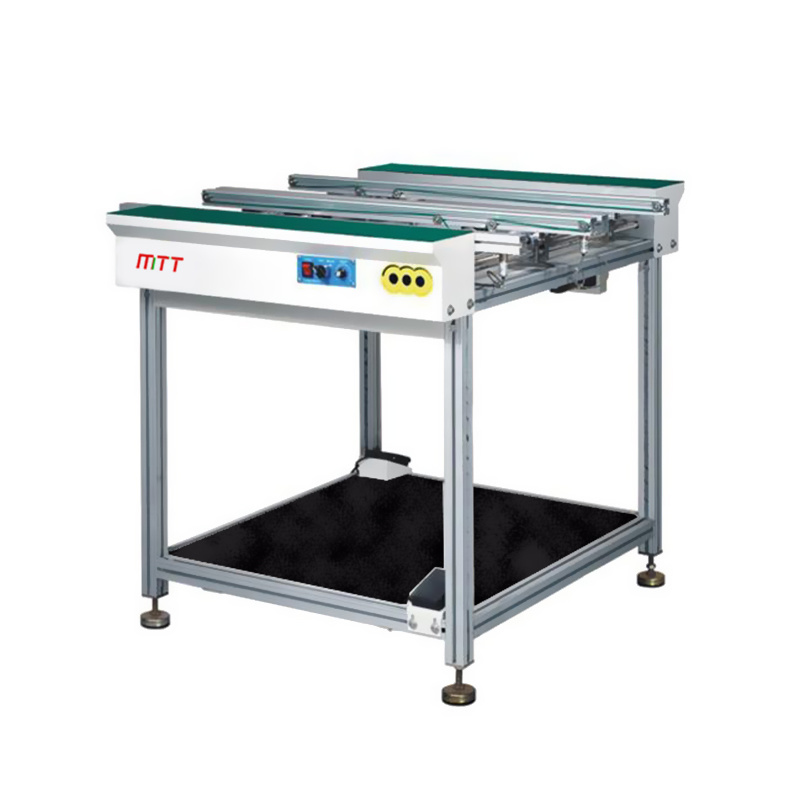
First and foremost, the transport mechanism for SMT boards must be designed to minimize damage and ensure reliability. This is crucial as SMT boards are often delicate and require careful handling to avoid any defects that may affect the final product. Utilizing conveyor systems specifically designed for SMT boards can significantly enhance the protection of these components during transit. Such systems provide precise control over the movement, ensuring that boards remain stable and secure.
In addition to physical protection, the choice of materials for the transport system is paramount. The materials used in conveyor belts and fixtures should be non-abrasive and compatible with the SMT boards to prevent any wear and tear. Regular maintenance of these materials can also prevent failures and ensure smooth operation over time.
Moreover, the speed of transport is another critical factor. It must be balanced with the quality control processes in place. While fast transport can increase productivity, it may compromise the quality checks that are essential in SMT assembly. Therefore, it’s important to implement an efficient system that allows for quick movement without sacrificing the thorough assessment of each board.
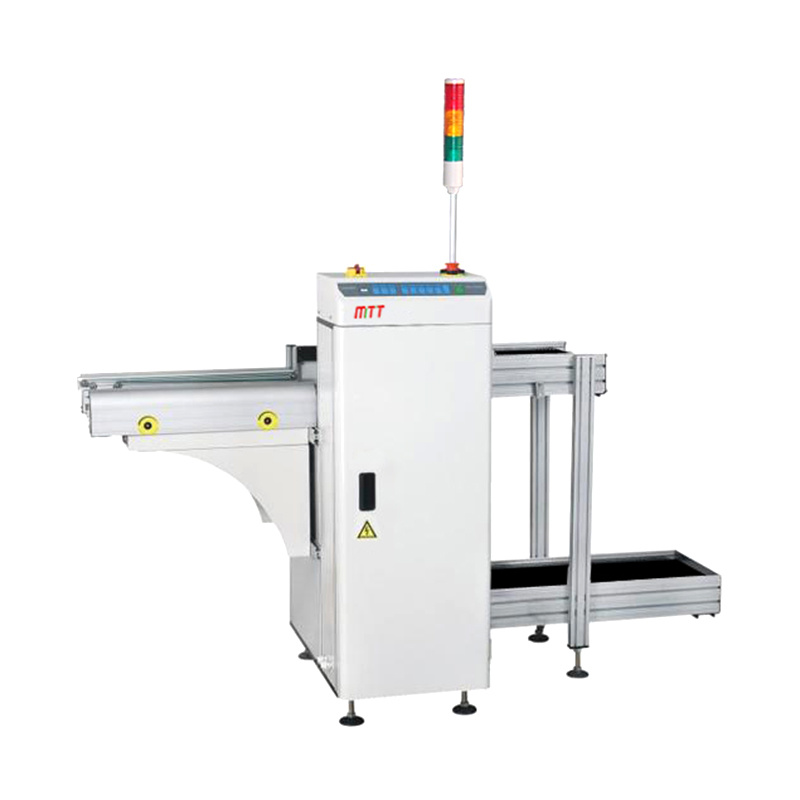
Another significant aspect to consider is the automation of SMT board transport. Incorporating automated systems can enhance efficiency by reducing manual handling and human error. Automation allows for seamless integration with other manufacturing processes, ensuring that boards are transported at the right time and to the correct location without delays. This not only streamlines production but also optimizes the overall workflow.
Finally, it is crucial to continuously assess and improve the SMT board transport system. Regular reviews can help identify bottlenecks and areas for enhancement, ensuring that the transport methods remain efficient and effective. Staying updated with the latest technologies and practices in SMT transport can lead to better productivity and lower operational costs.
In summary, SMT board transport is a complex yet essential aspect of the manufacturing process. By focusing on protection, material selection, speed balance, automation, and continuous improvement, manufacturers can optimize their transport systems. This will ultimately contribute to increased efficiency and quality in electronic component production, paving the way for a successful manufacturing operation.
SMT (Surface Mount Technology) board transport plays a vital role in the manufacturing of electronic components. The efficient movement of these boards through various stages of production is essential for maintaining high-quality standards and optimizing workflow. Here, we delve into key aspects of SMT board transport, focusing on its importance, methods, and factors to consider.
First and foremost, the transport mechanism for SMT boards must be designed to minimize damage and ensure reliability. This is crucial as SMT boards are often delicate and require careful handling to avoid any defects that may affect the final product. Utilizing conveyor systems specifically designed for SMT boards can significantly enhance the protection of these components during transit. Such systems provide precise control over the movement, ensuring that boards remain stable and secure.
In addition to physical protection, the choice of materials for the transport system is paramount. The materials used in conveyor belts and fixtures should be non-abrasive and compatible with the SMT boards to prevent any wear and tear. Regular maintenance of these materials can also prevent failures and ensure smooth operation over time.
Moreover, the speed of transport is another critical factor. It must be balanced with the quality control processes in place. While fast transport can increase productivity, it may compromise the quality checks that are essential in SMT assembly. Therefore, it’s important to implement an efficient system that allows for quick movement without sacrificing the thorough assessment of each board.
Another significant aspect to consider is the automation of SMT board transport. Incorporating automated systems can enhance efficiency by reducing manual handling and human error. Automation allows for seamless integration with other manufacturing processes, ensuring that boards are transported at the right time and to the correct location without delays. This not only streamlines production but also optimizes the overall workflow.
Finally, it is crucial to continuously assess and improve the SMT board transport system. Regular reviews can help identify bottlenecks and areas for enhancement, ensuring that the transport methods remain efficient and effective. Staying updated with the latest technologies and practices in SMT transport can lead to better productivity and lower operational costs.
In summary, SMT board transport is a complex yet essential aspect of the manufacturing process. By focusing on protection, material selection, speed balance, automation, and continuous improvement, manufacturers can optimize their transport systems. This will ultimately contribute to increased efficiency and quality in electronic component production, paving the way for a successful manufacturing operation.
Related News