

Enhancing Efficiency: The Transformative Role of SMT Loading Machines in Modern Production Lines


2026-05-14
Enhancing Efficiency: The Transformative Role of SMT Loading Machines in Modern Production Lines
Table of Contents
- 1. Introduction to SMT Loading Machines
- 2. What Are SMT Loading Machines?
- 3. The Importance of SMT Loading Machines in Production
- 4. Benefits of Using SMT Loading Machines
- 4.1 Increased Efficiency
- 4.2 Consistency and Accuracy in Production
- 4.3 Cost Reduction
- 4.4 Flexibility and Scalability
- 5. How SMT Loading Machines Work
- 6. Choosing the Right SMT Loading Machine for Your Needs
- 7. Future Trends in SMT Loading Technology
- 8. Frequently Asked Questions
- 9. Conclusion
1. Introduction to SMT Loading Machines
In today’s fast-paced manufacturing landscape, maintaining efficiency on the production line is paramount. **Surface Mount Technology (SMT)** has become a cornerstone of modern electronics assembly, and **SMT loading machines** play a crucial role in this ecosystem. These machines automate the loading of components onto printed circuit boards (PCBs), a fundamental step in the assembly process. Understanding the impact of SMT loading machines on production workflows is essential for any manufacturer looking to optimize their operations.
2. What Are SMT Loading Machines?
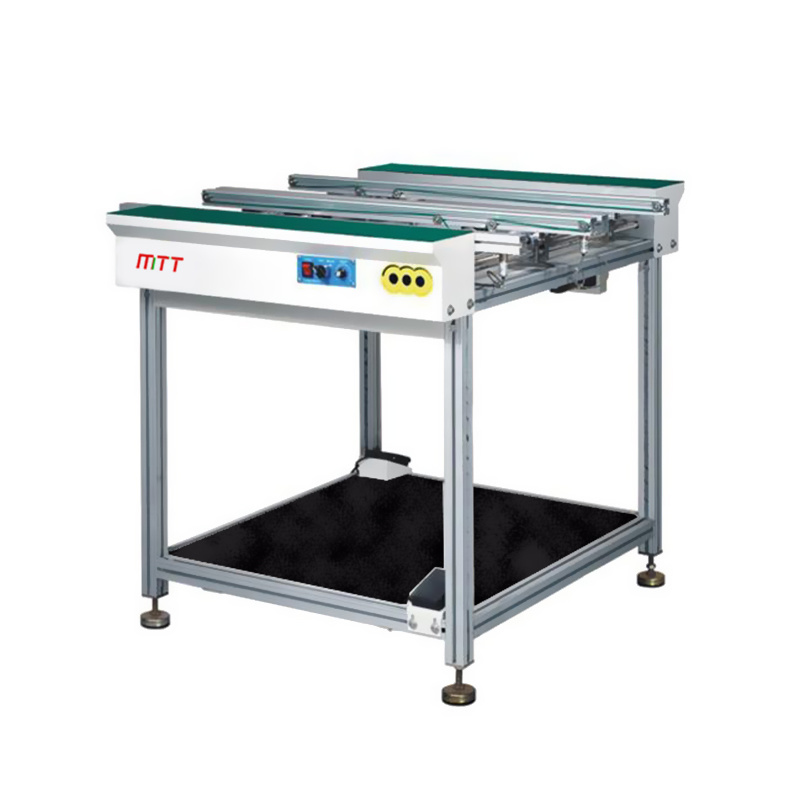
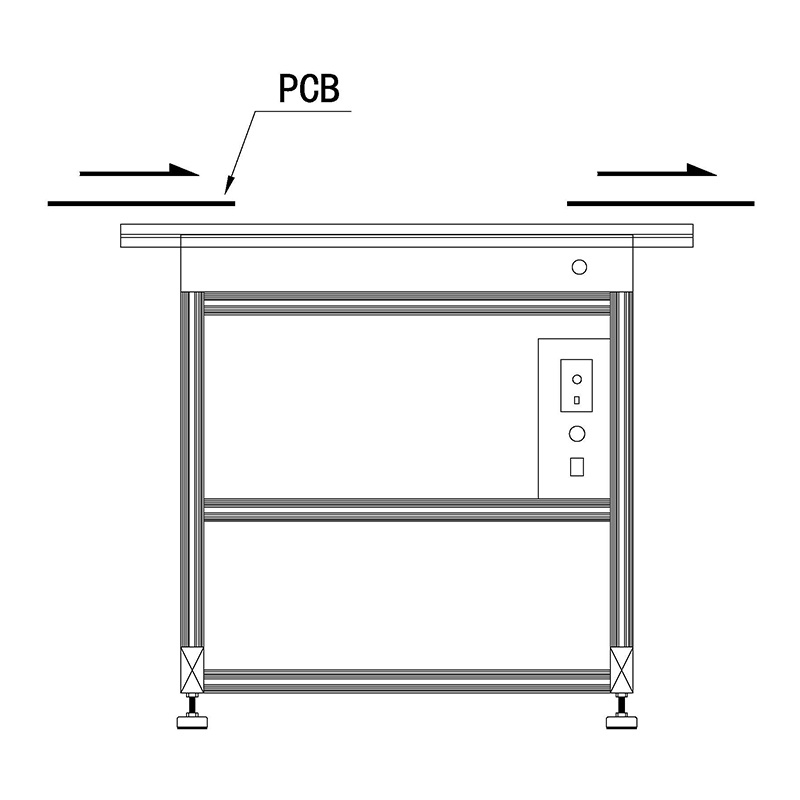
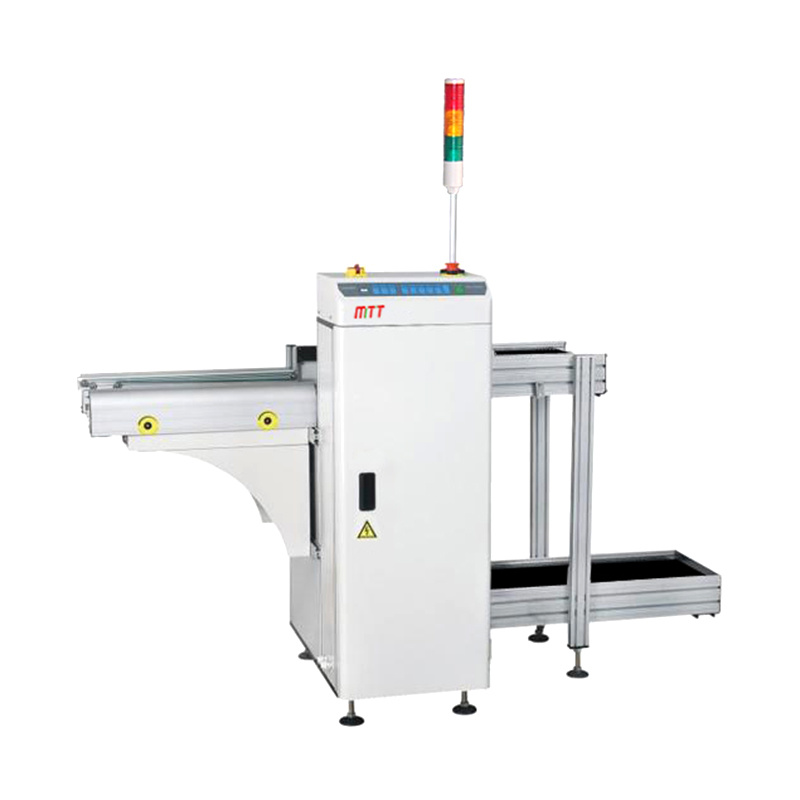
SMT loading machines are specifically designed to facilitate the placement of electronic components onto PCBs. By automating this process, they significantly reduce the reliance on manual labor, allowing for higher throughput and improved product quality. These machines can handle various components, such as resistors, capacitors, and integrated circuits, ensuring that the assembly process is seamless and efficient.
3. The Importance of SMT Loading Machines in Production
The importance of SMT loading machines cannot be overstated. In an era where electronic components are becoming more complex, and consumer demand for high-quality products is soaring, these machines offer a solution to several pressing challenges. They enable manufacturers to keep pace with production demands while ensuring that each component is placed accurately and consistently.
4. Benefits of Using SMT Loading Machines
Utilizing SMT loading machines offers numerous benefits that directly enhance production lines. Here, we explore these advantages in detail.
4.1 Increased Efficiency
The primary advantage of SMT loading machines is their capacity to significantly increase efficiency. By automating the loading process, manufacturers can achieve higher output levels while minimizing downtime. This increased efficiency translates into faster production cycles, allowing businesses to meet tight deadlines and respond swiftly to market demands.
4.2 Consistency and Accuracy in Production
Another key benefit is the consistency and accuracy these machines bring to the production line. Through advanced programming and precision engineering, SMT loading machines ensure that each component is placed exactly where it needs to be, reducing the likelihood of errors that can lead to product defects. This level of accuracy not only enhances product quality but also bolsters the manufacturer's reputation in the market.
4.3 Cost Reduction
Investing in SMT loading machines can lead to substantial cost reductions over time. By decreasing labor costs and minimizing the risk of errors, manufacturers can save money while increasing their profitability. Furthermore, with less waste generated from faulty assemblies, the overall cost of production decreases, contributing to a healthier bottom line.
4.4 Flexibility and Scalability
In an ever-evolving market, flexibility and scalability are essential for manufacturers. SMT loading machines can be customized to handle various component types and sizes, making them adaptable to different product lines. This flexibility allows manufacturers to easily scale their operations up or down, depending on market requirements.
5. How SMT Loading Machines Work
Understanding how SMT loading machines function is crucial for maximizing their benefits. These machines typically utilize a combination of robotic arms, advanced vision systems, and programmable software to accurately place components onto PCBs. The process begins with the machine receiving a PCB and component data. Using this information, the machine identifies the correct placement for each component, and the robotic arms execute the placement with precision.
6. Choosing the Right SMT Loading Machine for Your Needs
When selecting an SMT loading machine, manufacturers must consider several factors to ensure they choose the right fit for their production requirements. Key considerations include:
- **Production Volume**: High-volume manufacturers may require more advanced machines capable of faster throughput, while smaller operations might find simpler models sufficient.
- **Component Variety**: Evaluate the range of components the machine needs to handle. Some machines offer more versatility than others.
- **Budget Constraints**: Assess your budget and weigh it against the potential return on investment. Higher-end machines may offer greater efficiencies, but it's essential to ensure they align with your production goals.
7. Future Trends in SMT Loading Technology
The landscape of SMT loading technology is continually evolving. Industry experts predict several trends that will shape its future, including:
- **Integration with AI and Machine Learning**: As these technologies advance, we expect SMT loading machines to incorporate AI-driven analytics for optimized performance.
- **Enhanced Automation**: The move toward fully automated production lines will continue, with smarter machines that can self-diagnose and troubleshoot issues in real-time.
- **Sustainability Practices**: As manufacturers increasingly focus on sustainability, the development of eco-friendly machines and processes will gain momentum.
8. Frequently Asked Questions
What is the primary function of SMT loading machines?
The primary function of SMT loading machines is to automate the placement of electronic components onto printed circuit boards (PCBs) during the assembly process.
How do SMT loading machines improve production efficiency?
By automating the loading process, SMT loading machines reduce reliance on manual labor, streamline operations, and increase throughput, ultimately enhancing overall production efficiency.
What types of components can SMT loading machines handle?
SMT loading machines can handle various components including resistors, capacitors, integrated circuits, and other electronic components used in PCB assembly.
What factors should be considered when choosing an SMT loading machine?
Key factors to consider include production volume, component variety, machine features, and budget constraints to ensure the right fit for your manufacturing needs.
What are the future trends in SMT loading technology?
Future trends include the integration of AI and machine learning, enhanced automation, and a focus on sustainability practices within the manufacturing process.
9. Conclusion
In summary, SMT loading machines are pivotal in enhancing workflow and efficiency on production lines. By automating the loading of electronic components, these machines not only improve accuracy and consistency but also contribute to significant cost reductions and flexibility in manufacturing. As the industry continues to evolve, embracing advanced technologies and understanding the importance of SMT loading machines will be crucial for manufacturers aiming to stay competitive in the market. The future holds promising advancements that will further optimize production processes and meet the growing demands of the electronics industry.
Related News