

Optimizing SMT Production Conveyors for Enhanced Efficiency


2026-09-19
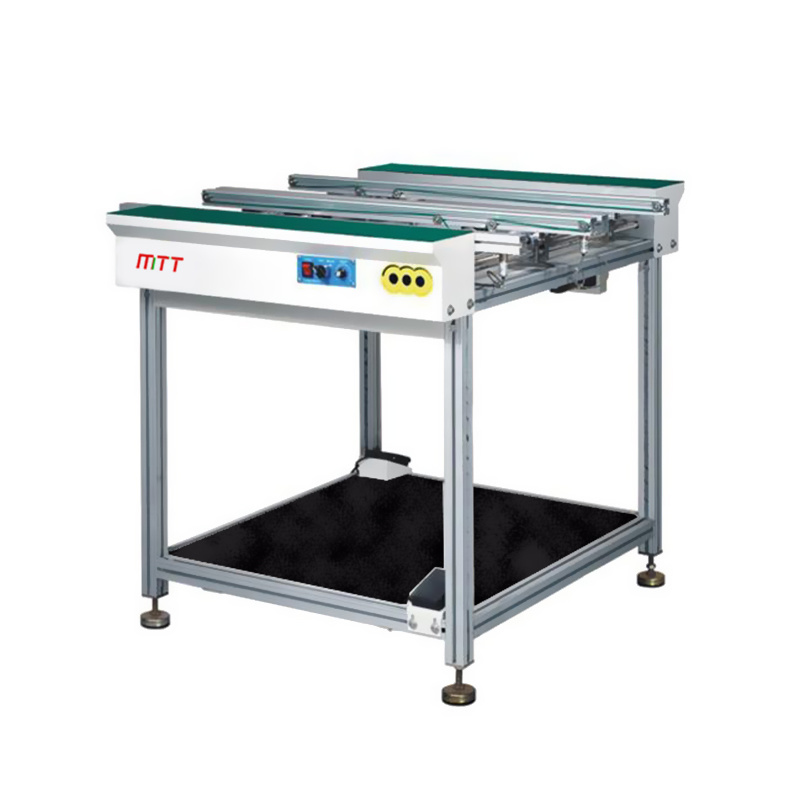
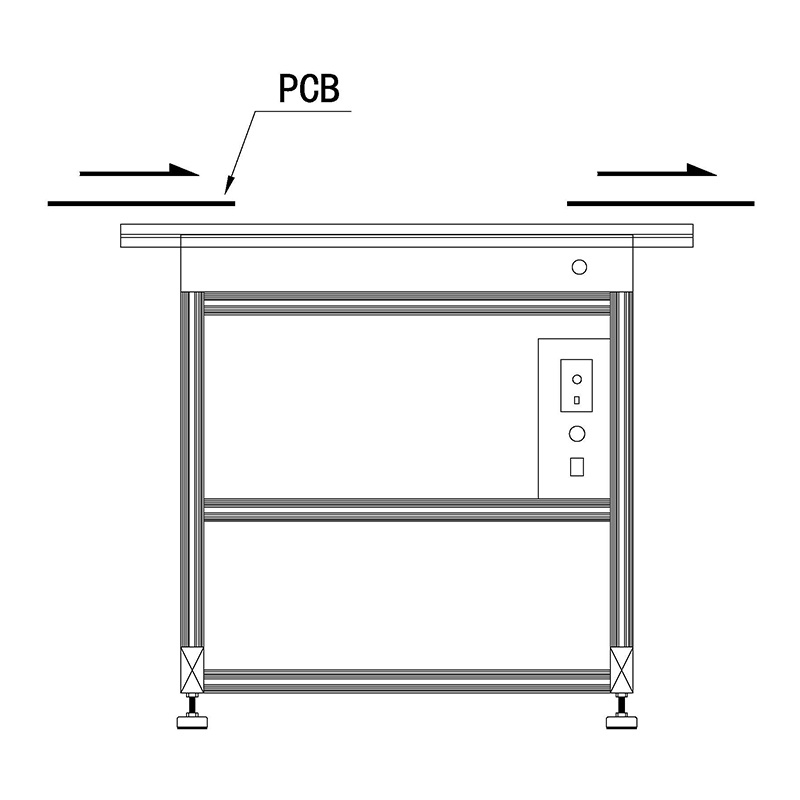
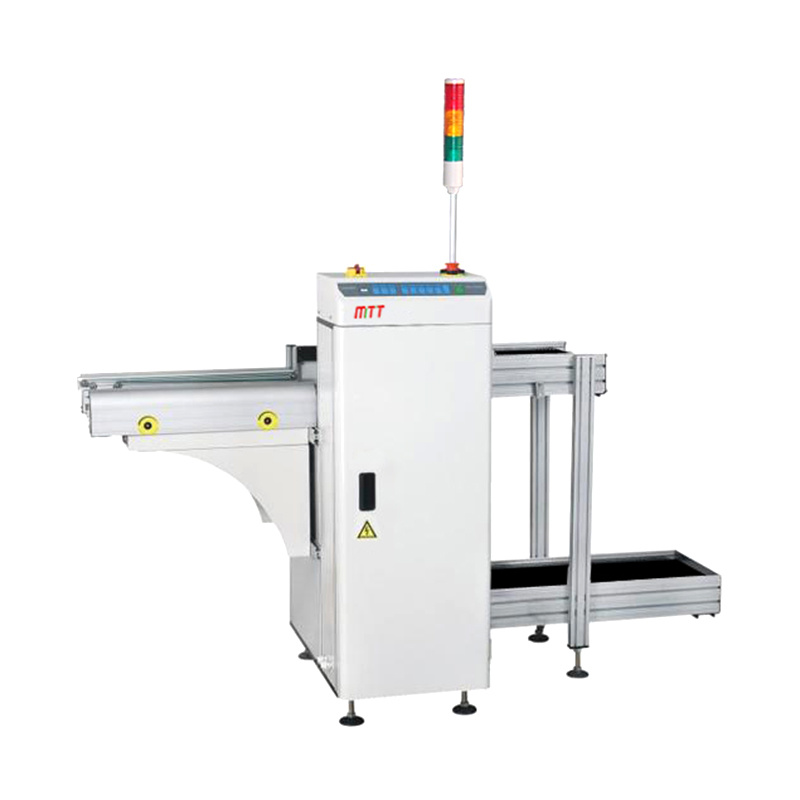
In the fast-paced world of industrial manufacturing, the efficiency of production lines is paramount. SMT (Surface Mount Technology) production conveyors play a crucial role in streamlining the assembly process of electronic components. These conveyors are specifically designed to transport printed circuit boards (PCBs) and other electronic components across various stages of production, ensuring a seamless workflow and minimizing downtime.
One of the primary advantages of SMT production conveyors is their ability to handle a diverse range of materials and sizes. They can accommodate different types of PCBs, from small, intricate boards to larger, more complex designs. This versatility makes them an indispensable asset for manufacturers who need to adapt to changing production demands without compromising efficiency.
Additionally, SMT production conveyors are designed with precision and reliability in mind. Many models incorporate advanced technology such as sensors and programmable logic controllers (PLCs), allowing for real-time monitoring and adjustments. This capability not only enhances the accuracy of the production process but also minimizes the risk of errors that can lead to costly rework or delays.
Another critical aspect to consider is the integration of SMT production conveyors with other manufacturing equipment. When properly configured, these conveyors can work in tandem with pick-and-place machines, reflow ovens, and inspection systems, creating a cohesive production environment. This integration fosters a smooth transition between different stages of manufacturing, ultimately leading to shorter cycle times and increased output.
Employing best practices when using SMT production conveyors can also significantly impact overall productivity. Regular maintenance is essential to ensure that the conveyors operate at peak performance. This includes routine inspections, lubrication of moving parts, and timely replacements of worn components. Additionally, training staff on the proper operation of these conveyors can minimize the risk of mishaps and improve their overall effectiveness.
In summary, SMT production conveyors are vital components in the realm of industrial equipment and components, particularly within the realm of chain and conveyor systems. Their ability to enhance efficiency, accommodate various materials, and integrate seamlessly with other manufacturing equipment makes them an essential tool for modern production lines. By adopting best practices and prioritizing maintenance, manufacturers can fully leverage the advantages that SMT production conveyors offer, leading to a more productive and cost-effective manufacturing process.
One of the primary advantages of SMT production conveyors is their ability to handle a diverse range of materials and sizes. They can accommodate different types of PCBs, from small, intricate boards to larger, more complex designs. This versatility makes them an indispensable asset for manufacturers who need to adapt to changing production demands without compromising efficiency.
Additionally, SMT production conveyors are designed with precision and reliability in mind. Many models incorporate advanced technology such as sensors and programmable logic controllers (PLCs), allowing for real-time monitoring and adjustments. This capability not only enhances the accuracy of the production process but also minimizes the risk of errors that can lead to costly rework or delays.
Another critical aspect to consider is the integration of SMT production conveyors with other manufacturing equipment. When properly configured, these conveyors can work in tandem with pick-and-place machines, reflow ovens, and inspection systems, creating a cohesive production environment. This integration fosters a smooth transition between different stages of manufacturing, ultimately leading to shorter cycle times and increased output.
Employing best practices when using SMT production conveyors can also significantly impact overall productivity. Regular maintenance is essential to ensure that the conveyors operate at peak performance. This includes routine inspections, lubrication of moving parts, and timely replacements of worn components. Additionally, training staff on the proper operation of these conveyors can minimize the risk of mishaps and improve their overall effectiveness.
In summary, SMT production conveyors are vital components in the realm of industrial equipment and components, particularly within the realm of chain and conveyor systems. Their ability to enhance efficiency, accommodate various materials, and integrate seamlessly with other manufacturing equipment makes them an essential tool for modern production lines. By adopting best practices and prioritizing maintenance, manufacturers can fully leverage the advantages that SMT production conveyors offer, leading to a more productive and cost-effective manufacturing process.
Related News