

SMT Conveyors: Enhancing Workplace Safety for Industrial Efficiency


2026-09-14
SMT Conveyors: Enhancing Safety in the Workplace
Table of Contents
1. Introduction: The Importance of Safety in Industrial Settings
2. What Are SMT Conveyors?
3. Key Features of SMT Conveyors That Enhance Safety
3.1. Safety Sensors and Emergency Stops
3.2. Ergonomic Design and Accessibility
3.3. Durable Materials for Long-lasting Use
4. Benefits of Using SMT Conveyors for Workplace Safety
4.1. Reducing Workplace Accidents
4.2. Improving Employee Productivity
4.3. Compliance with Safety Regulations
5. Best Practices for Implementing SMT Conveyors
5.1. Conducting Risk Assessments
5.2. Proper Training for Employees
5.3. Regular Maintenance and Inspections
6. Case Studies: Success Stories of SMT Conveyor Implementations
7. Frequently Asked Questions (FAQs)
8. Conclusion: A Safer Future with SMT Conveyors
1. Introduction: The Importance of Safety in Industrial Settings
In today's fast-paced industrial environment, workplace safety has become a top priority for businesses across all sectors. With the complexity of machinery and the inherent risks involved in manufacturing processes, ensuring a safe working environment is crucial not only for employee well-being but also for maintaining operational efficiency. As industries evolve, technologies such as SMT (Surface Mount Technology) conveyors are playing a pivotal role in enhancing safety measures. This article delves into the various aspects of SMT conveyors and how they contribute to safer workplaces.
2. What Are SMT Conveyors?
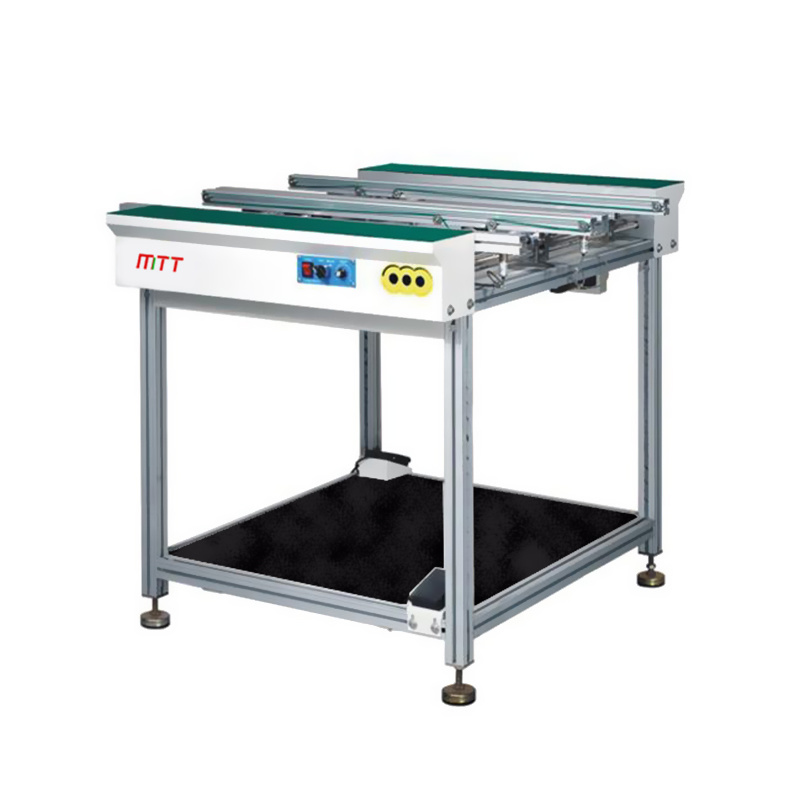
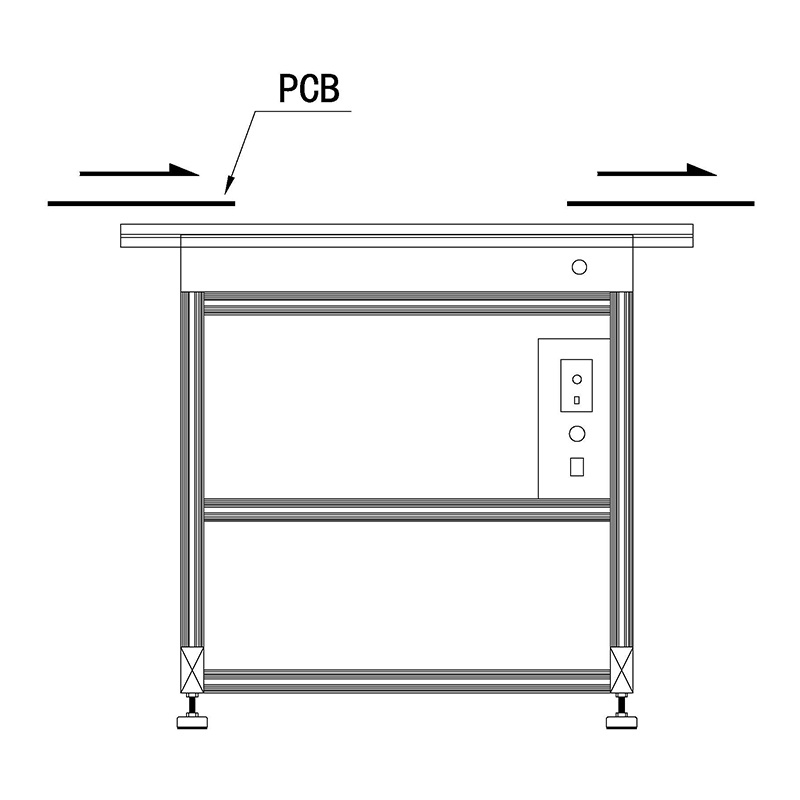
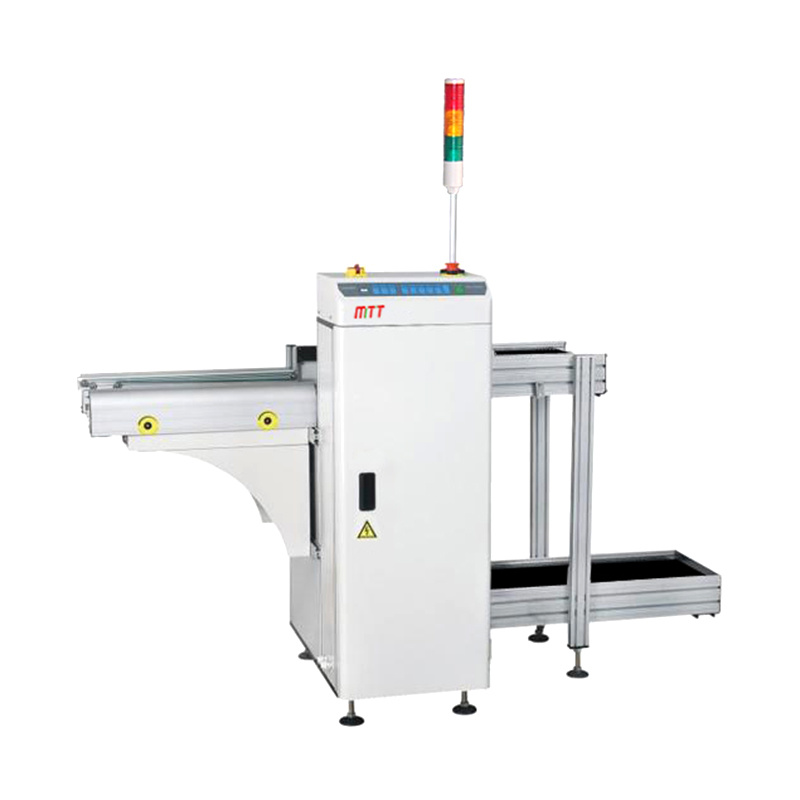
SMT conveyors are specialized conveyor systems designed primarily for the transportation of components in electronic manufacturing. These conveyors facilitate the movement of products through various stages of production, from assembly to packaging. Unlike traditional conveyor systems, SMT conveyors are engineered to accommodate the specific needs of surface mount technology, ensuring precision and reliability in high-speed environments.
3. Key Features of SMT Conveyors That Enhance Safety
Understanding the features that make SMT conveyors effective in promoting workplace safety is essential for any organization looking to implement these systems.
3.1. Safety Sensors and Emergency Stops
One of the standout features of SMT conveyors is the integration of safety sensors. These sensors detect any obstructions or anomalies in the conveyor operation, allowing for immediate responses that prevent accidents. Additionally, the inclusion of emergency stop buttons ensures that operations can be halted instantly during an emergency, minimizing potential hazards.
3.2. Ergonomic Design and Accessibility
SMT conveyors are designed with ergonomics in mind, reducing the physical strain on workers. This ergonomic approach not only enhances comfort but also minimizes the risk of injuries related to repetitive strain and awkward postures. Furthermore, the accessibility of SMT conveyors allows operators to engage with the system easily, fostering a safer interaction.
3.3. Durable Materials for Long-lasting Use
Safety is not just about immediate features; it also involves the durability of the equipment. SMT conveyors are often constructed with high-quality materials that resist wear and tear, ensuring that they remain operational over time. This durability translates into fewer breakdowns and accidents, contributing to a safer workplace.
4. Benefits of Using SMT Conveyors for Workplace Safety
The advantages of implementing SMT conveyors extend beyond safety, positively impacting overall productivity and compliance.
4.1. Reducing Workplace Accidents
By incorporating SMT conveyors, organizations can significantly reduce the incidence of workplace accidents. The blend of safety features and ergonomic designs promotes safer handling of materials, minimizing the risk of injuries among employees.
4.2. Improving Employee Productivity
A safe working environment is directly linked to higher employee morale and productivity. When employees feel secure in their work surroundings, they are more likely to focus on their tasks, leading to increased efficiency and output.
4.3. Compliance with Safety Regulations
Industries are subject to strict safety regulations. The integration of SMT conveyors aids businesses in meeting these regulatory requirements, thereby avoiding penalties and promoting a culture of safety compliance.
5. Best Practices for Implementing SMT Conveyors
To maximize the benefits of SMT conveyors, it is essential to follow best practices during their implementation.
5.1. Conducting Risk Assessments
Before introducing SMT conveyors, conducting thorough risk assessments is crucial. This process helps identify potential hazards and evaluate the safety measures needed to mitigate risks effectively.
5.2. Proper Training for Employees
Employee training is a cornerstone of safety. Organizations must ensure that all employees are adequately trained on the operation of SMT conveyors, including safety protocols and emergency procedures.
5.3. Regular Maintenance and Inspections
Ongoing maintenance is vital for the longevity and safety of SMT conveyors. Regular inspections can identify wear and tear before they lead to malfunctions, ensuring a consistently safe working environment.
6. Case Studies: Success Stories of SMT Conveyor Implementations
Numerous companies have realized the benefits of SMT conveyors in enhancing workplace safety. For instance, an electronics manufacturer reported a 40% reduction in workplace injuries after implementing SMT conveyor systems. By investing in these technologies, the company not only improved safety but also boosted productivity, showcasing a clear return on investment.
7. Frequently Asked Questions (FAQs)
What specific safety features do SMT conveyors have?
SMT conveyors typically include safety sensors, emergency stop buttons, and ergonomic designs to enhance safety during operation.
How do SMT conveyors improve productivity?
By providing a safer and more efficient means of transporting materials, SMT conveyors allow employees to focus on their tasks, thereby increasing overall productivity.
Are SMT conveyors customizable?
Yes, SMT conveyors can be customized based on specific operational needs and safety requirements, making them versatile for various industries.
What training is necessary for employees operating SMT conveyors?
Employees should undergo training that covers operational procedures, safety protocols, and emergency response actions related to SMT conveyors.
How often should SMT conveyors be maintained?
Regular maintenance should be conducted based on usage, but generally, inspections should occur at least once a month to ensure optimal operation and safety.
8. Conclusion: A Safer Future with SMT Conveyors
In summary, SMT conveyors represent a significant advancement in workplace safety within industrial settings. By integrating features designed to enhance safety, improve productivity, and ensure compliance with regulations, businesses can create a safer work environment for their employees. Investing in SMT conveyor systems is not just about optimizing production; it’s about fostering a culture of safety and well-being that ultimately benefits everyone involved. As industries continue to evolve, embracing innovative technologies like SMT conveyors will be essential for maintaining high safety standards and operational efficiency.
Related News