

How to Choose the Right SMT Line Conveyor for Your Needs: A Comprehensive Guide


2026-05-10
How to Choose the Right SMT Line Conveyor for Your Needs
In the fast-paced world of electronics manufacturing, efficiency and precision are paramount. At the heart of this process lies the Surface Mount Technology (SMT) line conveyor, a crucial component for transporting components and assemblies through various stages of production. Choosing the right SMT line conveyor can significantly impact your operational success, productivity, and quality. This comprehensive guide will walk you through everything you need to know to make an informed decision.
Understanding SMT Line Conveyors
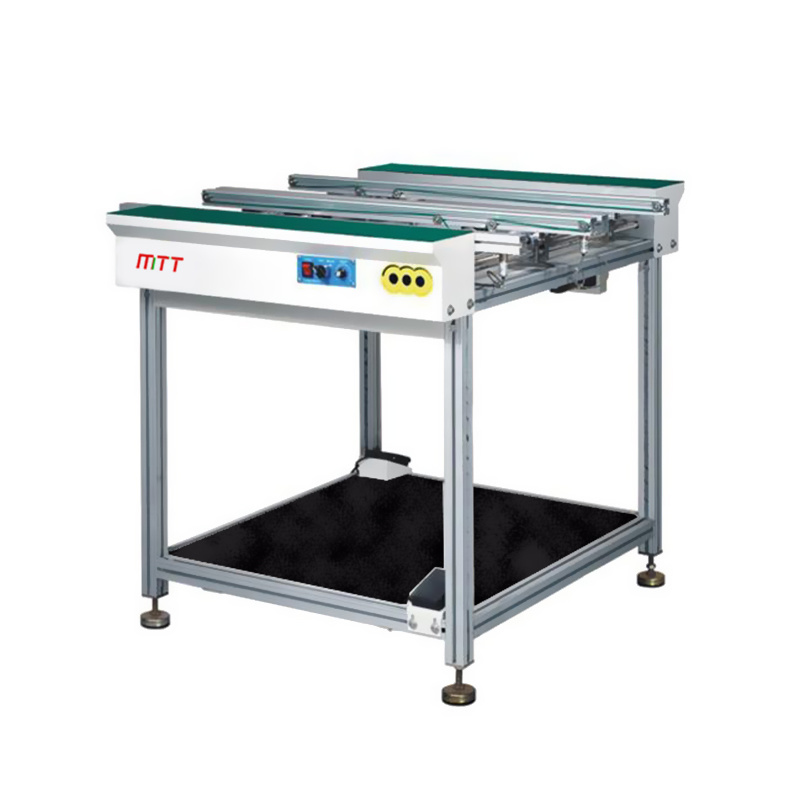
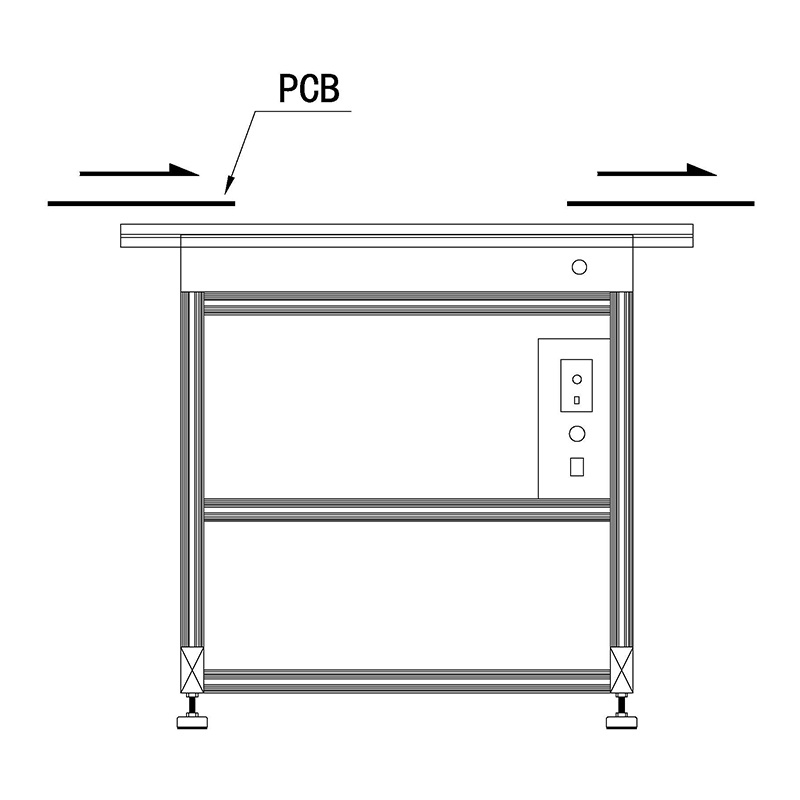
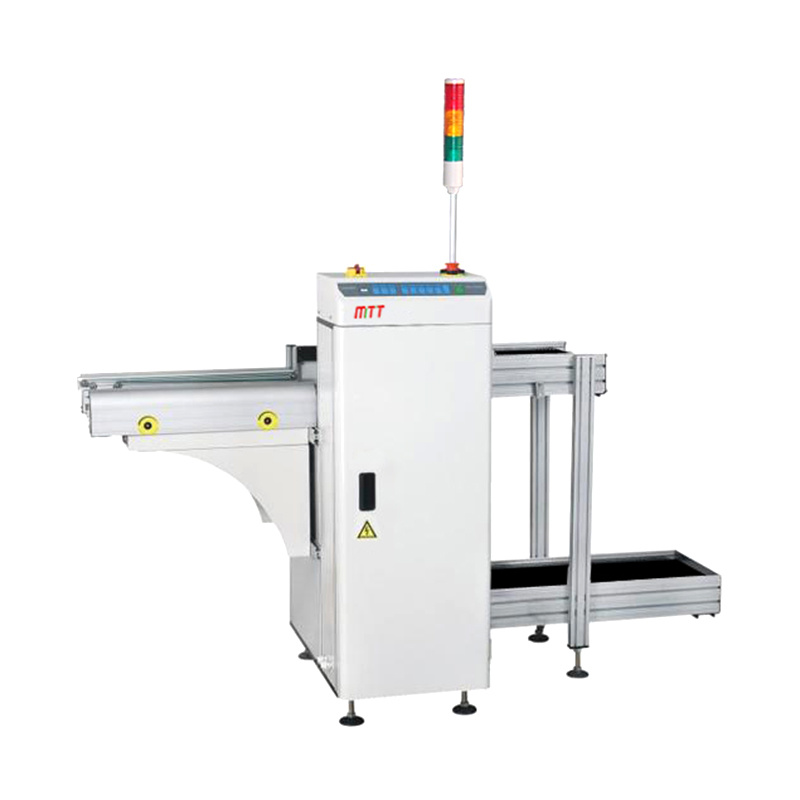
Before diving into the selection process, it's essential to understand what SMT line conveyors are and their role in manufacturing. SMT line conveyors are specialized transport systems designed to move electronic components and printed circuit boards (PCBs) along the production line. They ensure that each item is precisely positioned for soldering, inspection, and assembly.
The Importance of Selecting the Right Conveyor
Choosing the right SMT line conveyor is not merely a matter of preference; it has significant implications for your production efficiency. An ill-suited conveyor can lead to increased downtime, operational bottlenecks, and even product defects. On the other hand, the right conveyor can streamline your manufacturing process, reduce cycle times, and improve overall product quality.
Types of SMT Line Conveyors
There are several types of SMT line conveyors available, each designed for specific applications and environments. Understanding these types will assist you in making the right choice for your manufacturing needs.
1. Modular Conveyors
Modular conveyors are versatile systems made up of interconnected modules, allowing for easy reconfiguration and expansion. They are ideal for manufacturers looking to adapt their production processes frequently. The ability to change the layout without significant downtime is a key advantage of modular systems.
2. Belt Conveyors
Belt conveyors are one of the most common types of SMT line conveyors. They consist of a continuous belt that transports components along the production line. They offer smooth and reliable movement, making them suitable for various weights and sizes of components. Their adaptability to different environments, from clean rooms to general assembly lines, makes them a popular choice.
3. Chain Conveyors
Chain conveyors utilize a chain mechanism to move heavy loads and larger components. They are highly durable and capable of handling significant weight, making them suitable for transporting PCBs and larger equipment. Chain conveyors are often preferred in environments where robustness is essential.
4. Roller Conveyors
Roller conveyors consist of parallel rollers that facilitate the movement of items along the assembly line. They are particularly effective for heavy and bulky items, allowing for efficient handling and distribution. Roller systems can be powered or gravity-driven, depending on the specific application.
5. Overhead Conveyors
Overhead conveyors are suspended systems that move components above the production area. They are beneficial in environments with limited floor space and can transport items across various production stages without interfering with other operations. Overhead systems help maximize floor area usage and enhance workflow.
Key Factors to Consider When Choosing an SMT Line Conveyor
When selecting an SMT line conveyor, several factors come into play. Understanding these elements will help you choose a system that aligns with your operational goals.
1. Production Volume
Assessing your production volume is critical. High-volume manufacturers may require conveyors that can handle increased loads and speed without compromising quality. For lower-volume operations, flexibility and adaptability may take precedence over sheer capacity.
2. Space Constraints
The available space in your manufacturing facility will significantly influence your conveyor choice. Analyze your layout to determine whether a modular, belt, roller, or overhead conveyor system will fit best in your existing configuration. Ensuring efficient use of space can help optimize workflow.
3. Component Sizes and Weights
Understanding the sizes and weights of the components you will be transporting is crucial. Different conveyor types can accommodate varying load capacities and dimensions. Choose a conveyor system that aligns well with your specific products to ensure smooth operation.
4. Environmental Conditions
Consider the environmental conditions within your manufacturing facility. Factors such as temperature, humidity, and the presence of dust or chemicals can affect the performance and longevity of your conveyor system. Ensure that the materials used in the conveyor are suitable for your operational environment.
5. Automation Level
The level of automation you plan to implement in your manufacturing processes will play a significant role in your conveyor selection. Some systems are designed to integrate seamlessly with automated machinery, which can enhance efficiency and reduce labor costs.
6. Maintenance and Support
Evaluate the maintenance requirements and support available for the conveyor systems you are considering. A conveyor that requires frequent maintenance can lead to unexpected downtime. Look for systems that offer robust support and easy access to replacement parts.
7. Cost and Budget
While it's vital to invest in a quality conveyor system, it's equally important to remain within budget. Evaluate the total cost of ownership, including installation, maintenance, and operational costs. Compare different systems to find the one that offers the best value for your needs.
Integrating SMT Line Conveyors into Your Production Process
Once you have chosen the right SMT line conveyor, the next step is integrating it into your production process effectively. This involves careful planning and execution to ensure a seamless transition.
1. Planning the Layout
Design a comprehensive layout that optimizes the flow of materials along the production line. Consider the positioning of equipment, workstations, and storage areas to facilitate a smooth workflow. Collaboration with your team can help identify potential bottlenecks and improve overall efficiency.
2. Training Your Team
Ensure your team is well-trained on the new conveyor system. Proper training will empower your workforce to use the equipment effectively and safely. Regular training sessions and updates can help maintain operational efficiency.
3. Monitoring Performance
After integration, monitor the performance of your SMT line conveyor closely. Set benchmarks and KPIs to assess its effectiveness. Regular monitoring helps identify areas for improvement and ensures that the conveyor operates at peak efficiency.
Common Mistakes to Avoid When Choosing SMT Line Conveyors
Choosing the wrong conveyor system can lead to significant challenges in your manufacturing process. Here are some common pitfalls to avoid:
1. Neglecting Future Growth
One major mistake is failing to account for future production needs. Choose a conveyor system that can scale with your growing business to avoid the need for frequent replacements.
2. Overlooking Compatibility
Ensure the selected conveyor system is compatible with your existing machinery and processes. Mismatched systems can lead to operational inefficiencies and increased costs.
3. Ignoring User Feedback
Gather feedback from your team members who will operate the conveyor. Their insights can provide valuable information about usability and performance, helping you make a more informed decision.
Frequently Asked Questions (FAQs)
1. What is an SMT line conveyor?
An SMT line conveyor is a transport system specifically designed to move electronic components and printed circuit boards through various stages of the manufacturing process.
2. How do I determine the right conveyor type for my needs?
Consider factors such as production volume, component sizes, space constraints, and environmental conditions when selecting the appropriate conveyor type.
3. What are the benefits of modular conveyors?
Modular conveyors offer flexibility, allowing for easy reconfiguration and expansion to adapt to changing production needs without extensive downtime.
4. How can I integrate a new conveyor system into my existing production line?
Carefully plan the layout, train your team for effective usage, and continuously monitor performance to ensure a smooth integration of the new conveyor system.
5. What are the common maintenance requirements for SMT line conveyors?
Regular inspections, cleaning, and lubrication are essential maintenance practices to ensure the longevity and efficiency of SMT line conveyors.
Conclusion
Selecting the right SMT line conveyor is a critical decision that can significantly impact your manufacturing efficiency and product quality. By understanding the different types of conveyors, key factors to consider, and common mistakes to avoid, you can make an informed choice that aligns with your operational needs. Investing time in thorough research and planning will ultimately lead to a more productive and successful manufacturing process, ensuring your business remains competitive in the dynamic electronics industry.
Related News