

Understanding SMT Transfer Conveyors: Key Components and Applications


2026-05-08
In the fast-paced world of industrial equipment, SMT transfer conveyors stand out as critical components that facilitate efficient material handling. SMT, or Surface Mount Technology, often involves the use of automated processes for assembling electronic components onto printed circuit boards (PCBs). Given the intricacies of this technology, the role of transfer conveyors becomes paramount in ensuring a seamless workflow.
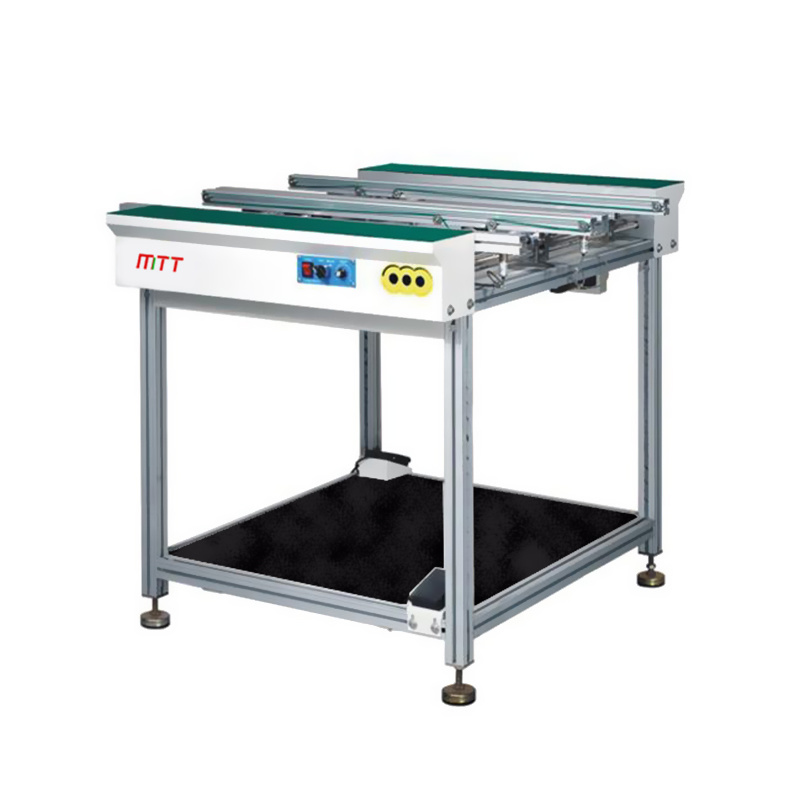
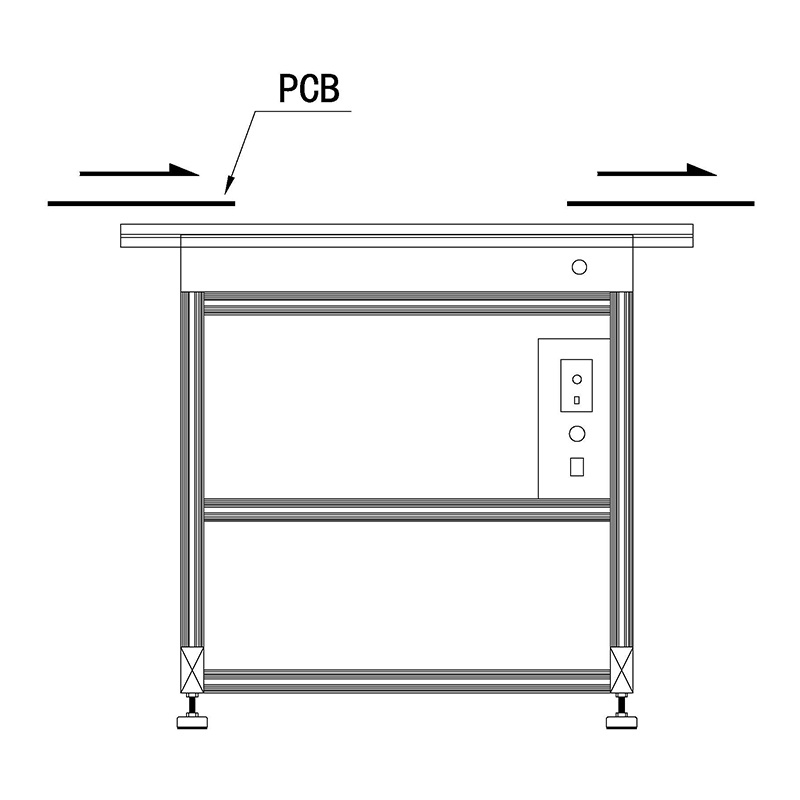
At the core of SMT transfer conveyors is their ability to transport materials between different stages of the manufacturing process. These conveyors are engineered to handle various substrates, primarily PCBs, making them indispensable in high-volume manufacturing settings. Their design typically features a modular structure that allows for flexibility in configuration, accommodating varying production layouts and requirements.
One of the primary advantages of SMT transfer conveyors is their precision. In SMT applications, maintaining alignment and positioning during transport is crucial to avoid damaging sensitive components. The conveyors are equipped with advanced systems that ensure reliable movement and stability, significantly reducing the risk of misalignment and enhancing overall production quality.
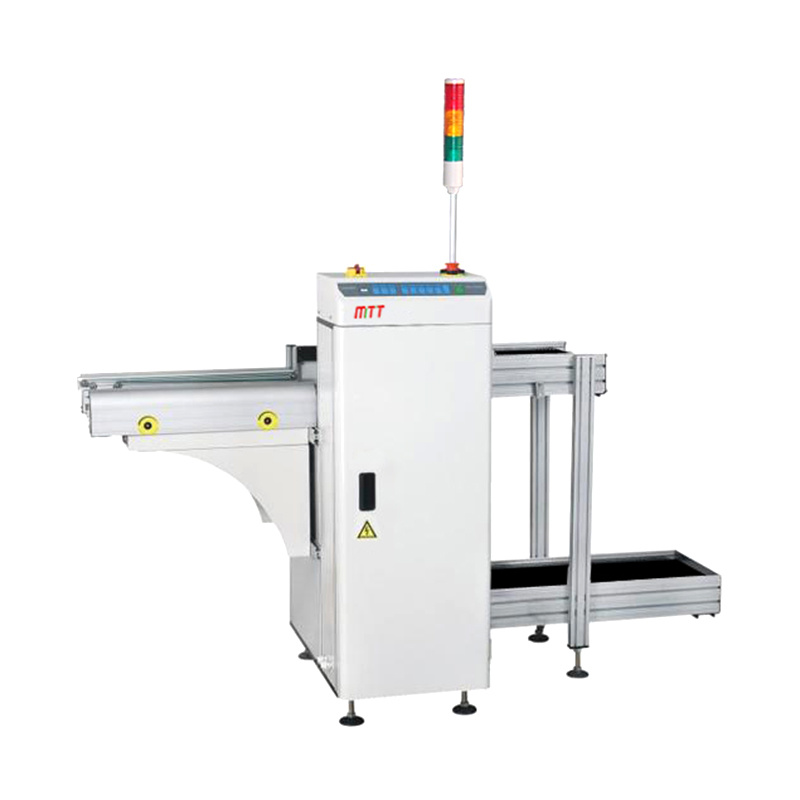
Another significant aspect of SMT transfer conveyors is their integration capabilities with other equipment. These conveyors can be seamlessly connected to pick-and-place machines, reflow ovens, and inspection systems, creating a fully automated production line. This integration not only improves efficiency but also allows for real-time monitoring of the production process, enabling manufacturers to make timely adjustments as needed.
Furthermore, SMT transfer conveyors are designed with safety and maintenance in mind. Many models feature user-friendly interfaces that allow operators to monitor performance easily and perform routine maintenance. Additionally, these conveyors often include safety mechanisms, such as emergency stop buttons and protective covers, to ensure a safe working environment.
In terms of applications, SMT transfer conveyors are not limited to just electronics manufacturing. They can also be utilized in various industries where precise material handling is required, such as automotive, aerospace, and medical device production. Their versatility in handling different materials and configurations makes them a valuable asset across multiple sectors.
In summary, SMT transfer conveyors are an integral part of modern manufacturing, particularly in industries that rely on precision and efficiency. Their ability to facilitate the smooth transport of materials while ensuring compatibility with other machinery highlights their importance in the production landscape. As technology continues to advance, the evolution of SMT transfer conveyors will undoubtedly enhance manufacturing capabilities, driving innovation and efficiency in various sectors.
At the core of SMT transfer conveyors is their ability to transport materials between different stages of the manufacturing process. These conveyors are engineered to handle various substrates, primarily PCBs, making them indispensable in high-volume manufacturing settings. Their design typically features a modular structure that allows for flexibility in configuration, accommodating varying production layouts and requirements.
One of the primary advantages of SMT transfer conveyors is their precision. In SMT applications, maintaining alignment and positioning during transport is crucial to avoid damaging sensitive components. The conveyors are equipped with advanced systems that ensure reliable movement and stability, significantly reducing the risk of misalignment and enhancing overall production quality.
Another significant aspect of SMT transfer conveyors is their integration capabilities with other equipment. These conveyors can be seamlessly connected to pick-and-place machines, reflow ovens, and inspection systems, creating a fully automated production line. This integration not only improves efficiency but also allows for real-time monitoring of the production process, enabling manufacturers to make timely adjustments as needed.
Furthermore, SMT transfer conveyors are designed with safety and maintenance in mind. Many models feature user-friendly interfaces that allow operators to monitor performance easily and perform routine maintenance. Additionally, these conveyors often include safety mechanisms, such as emergency stop buttons and protective covers, to ensure a safe working environment.
In terms of applications, SMT transfer conveyors are not limited to just electronics manufacturing. They can also be utilized in various industries where precise material handling is required, such as automotive, aerospace, and medical device production. Their versatility in handling different materials and configurations makes them a valuable asset across multiple sectors.
In summary, SMT transfer conveyors are an integral part of modern manufacturing, particularly in industries that rely on precision and efficiency. Their ability to facilitate the smooth transport of materials while ensuring compatibility with other machinery highlights their importance in the production landscape. As technology continues to advance, the evolution of SMT transfer conveyors will undoubtedly enhance manufacturing capabilities, driving innovation and efficiency in various sectors.
Related News