

Maximizing Efficiency with SMT Loading Machines in Conveyor Systems


2026-04-26
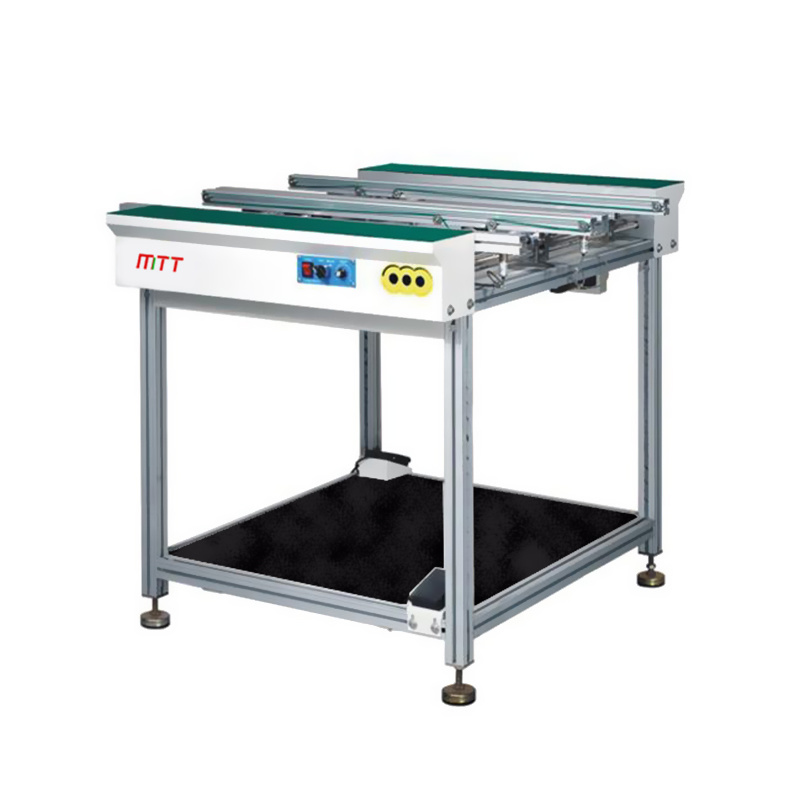
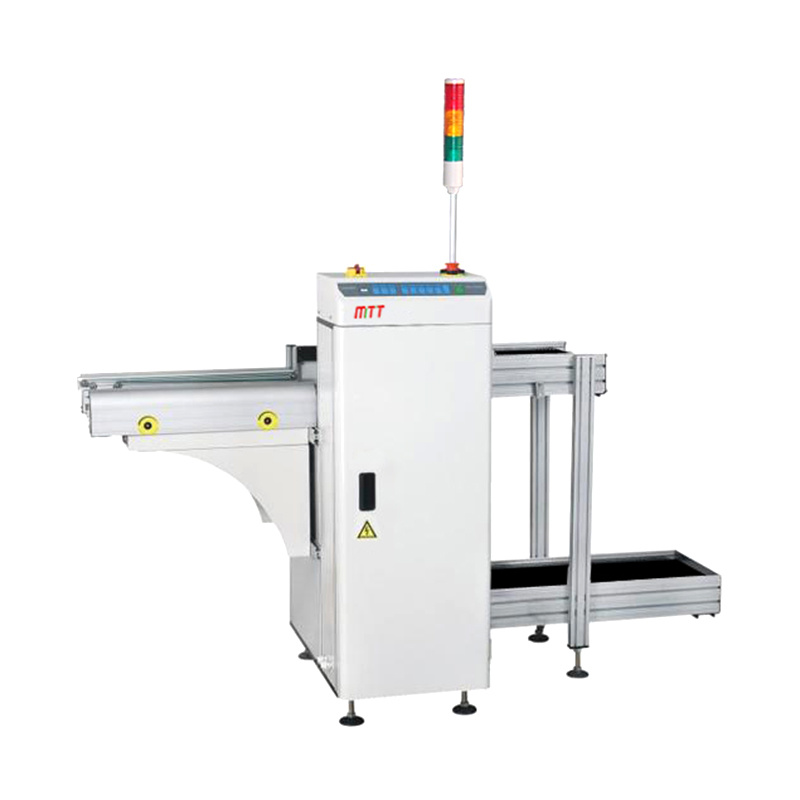
In the realm of industrial equipment and components, particularly within the domain of conveyor systems, SMT Loading Machines play a pivotal role in streamlining operations. These machines are specifically designed to automate the process of loading Surface Mount Technology (SMT) components onto PCBs (Printed Circuit Boards) in a highly efficient manner. As industries increasingly rely on automation, understanding the functionality and benefits of SMT Loading Machines becomes essential.
One of the primary advantages of SMT Loading Machines is their precision. They are engineered to accurately position components on PCBs, minimizing the risk of misalignment that can lead to costly errors during assembly. This level of precision not only enhances the overall quality of the final product but also reduces the need for rework, thereby saving both time and resources.
Furthermore, SMT Loading Machines are instrumental in increasing production speed. In modern manufacturing environments where time is of the essence, these machines facilitate rapid loading of components, significantly outpacing manual loading methods. This increased throughput is vital for businesses aiming to meet high-demand cycles and maintain competitive advantage in the market.
In addition to speed and precision, the integration of SMT Loading Machines into conveyor systems offers improved flexibility. Many models are designed to accommodate a variety of component sizes and types, allowing for quick adjustments between different production runs. This adaptability ensures that manufacturers can efficiently respond to changing market demands without extensive downtime.
Moreover, the implementation of SMT Loading Machines enhances overall system reliability. These machines are typically built with robust components that ensure consistent performance over long periods. When integrated with conveyor systems, they contribute to a seamless workflow, reducing bottlenecks and ensuring that production processes run smoothly.
From a safety perspective, SMT Loading Machines also provide significant benefits. By automating the loading process, these machines minimize the risk of workplace injuries associated with manual handling of small components. This not only promotes a safer working environment but also encourages adherence to industry safety standards.
In conclusion, SMT Loading Machines are an invaluable asset in the industrial equipment sector, particularly within conveyor systems. Their ability to enhance precision, increase speed, provide flexibility, and improve reliability makes them a cornerstone of modern manufacturing processes. As industries continue to embrace automation, the role of SMT Loading Machines will likely become even more pronounced, driving efficiency and productivity in ways that align with the evolving demands of the marketplace.
One of the primary advantages of SMT Loading Machines is their precision. They are engineered to accurately position components on PCBs, minimizing the risk of misalignment that can lead to costly errors during assembly. This level of precision not only enhances the overall quality of the final product but also reduces the need for rework, thereby saving both time and resources.
Furthermore, SMT Loading Machines are instrumental in increasing production speed. In modern manufacturing environments where time is of the essence, these machines facilitate rapid loading of components, significantly outpacing manual loading methods. This increased throughput is vital for businesses aiming to meet high-demand cycles and maintain competitive advantage in the market.
In addition to speed and precision, the integration of SMT Loading Machines into conveyor systems offers improved flexibility. Many models are designed to accommodate a variety of component sizes and types, allowing for quick adjustments between different production runs. This adaptability ensures that manufacturers can efficiently respond to changing market demands without extensive downtime.
Moreover, the implementation of SMT Loading Machines enhances overall system reliability. These machines are typically built with robust components that ensure consistent performance over long periods. When integrated with conveyor systems, they contribute to a seamless workflow, reducing bottlenecks and ensuring that production processes run smoothly.
From a safety perspective, SMT Loading Machines also provide significant benefits. By automating the loading process, these machines minimize the risk of workplace injuries associated with manual handling of small components. This not only promotes a safer working environment but also encourages adherence to industry safety standards.
In conclusion, SMT Loading Machines are an invaluable asset in the industrial equipment sector, particularly within conveyor systems. Their ability to enhance precision, increase speed, provide flexibility, and improve reliability makes them a cornerstone of modern manufacturing processes. As industries continue to embrace automation, the role of SMT Loading Machines will likely become even more pronounced, driving efficiency and productivity in ways that align with the evolving demands of the marketplace.
Related News