

Innovative Technologies in SMT Board Transport You Should Know


2026-04-24
Innovative Technologies in SMT Board Transport You Should Know
Table of Contents
- 1. Introduction to SMT Board Transport
- 2. The Importance of Efficient SMT Board Transport
- 3. Current Technologies in SMT Board Transport
- 4. Innovative Transport Solutions Enhancing SMT Processes
- 5. Automation in SMT Board Transport
- 6. Future Trends in SMT Board Transport Technology
- 7. Challenges in SMT Board Transport and Their Solutions
- 8. Conclusion
- 9. Frequently Asked Questions
1. Introduction to SMT Board Transport
Surface Mount Technology (SMT) has transformed the electronics manufacturing landscape. At the heart of this transformation lies the **efficient transport of SMT boards**, a critical factor that influences production rates, product quality, and overall operational efficiency. As the demand for high-quality electronic products increases, the focus on innovative transport solutions becomes paramount. This article delves into the latest technologies reshaping SMT board transport, ensuring manufacturers stay competitive and meet market demands.
2. The Importance of Efficient SMT Board Transport
The transport system for SMT boards directly impacts the entire manufacturing workflow. A well-designed transport system enables:
- **Minimized Downtime:** Efficient transport of SMT boards reduces the time spent moving components between processes, enhancing productivity.
- **Improved Quality Control:** Advanced transport systems come with features that help maintain the integrity of SMT boards, reducing the risk of damage during transit.
- **Enhanced Flexibility:** Modern transport solutions can adapt to various production needs, facilitating quick changes in manufacturing processes without significant downtime.
3. Current Technologies in SMT Board Transport
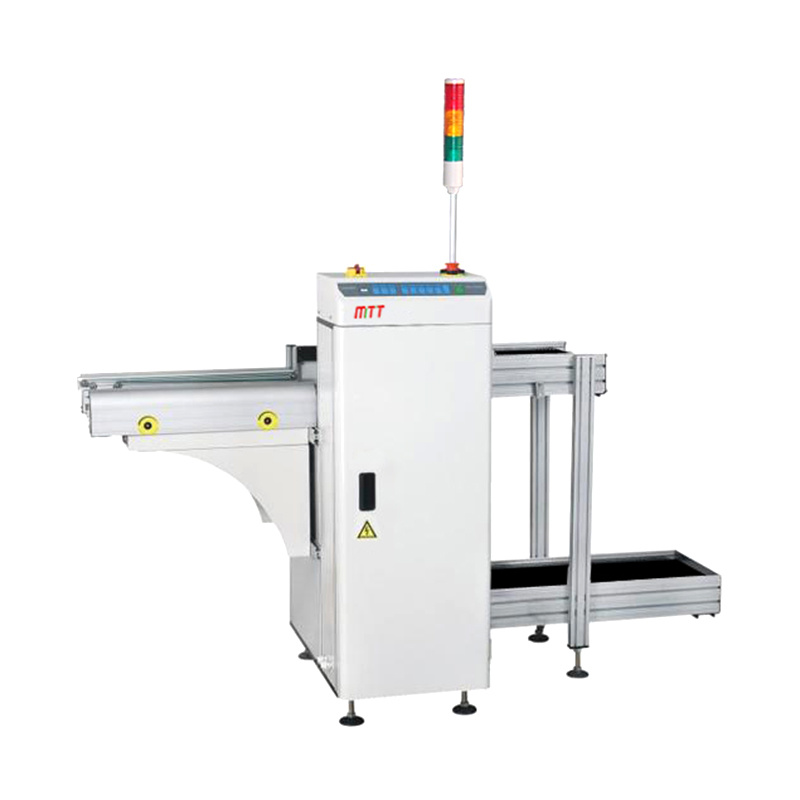
Current technologies employed in SMT board transport encompass various mechanisms and systems designed to optimize efficiency. Some of the most notable technologies include:
3.1 Conveyor Systems
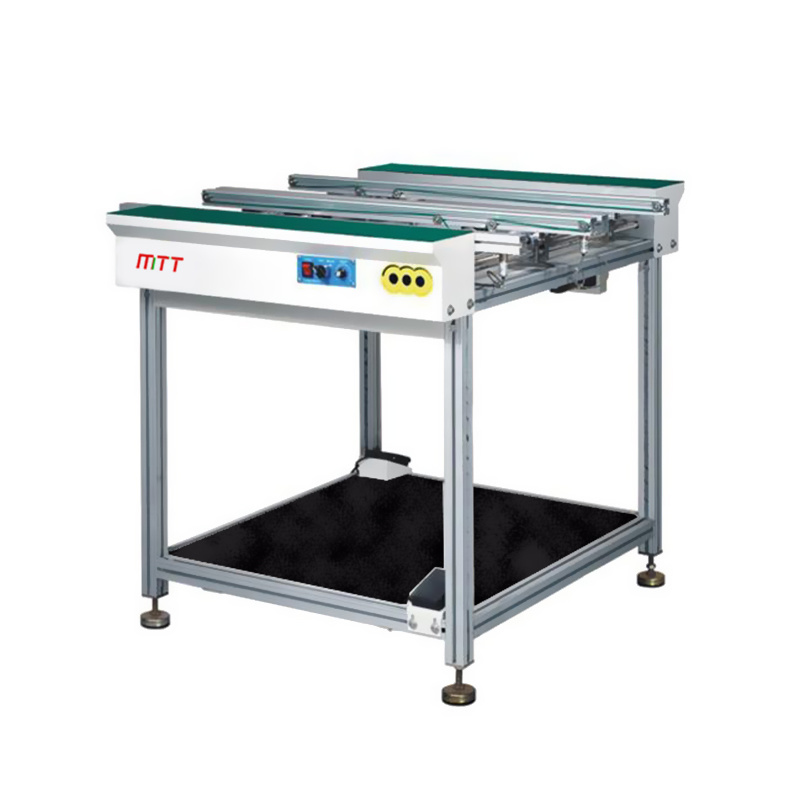
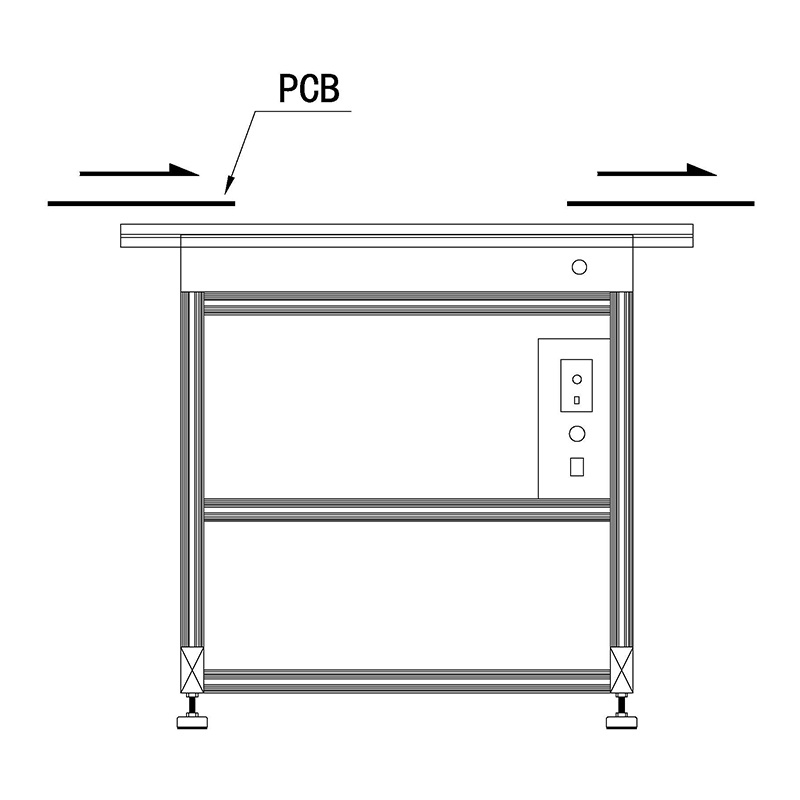
Conveyor systems are a staple in SMT board transport, known for their reliability and scalability. They can be configured in various layouts, including:
- **Belt Conveyors:** Ideal for transporting SMT boards over long distances.
- **Modular Conveyors:** These systems allow flexibility in design, making it easier to adjust the transport route as required.
3.2 Automated Guided Vehicles (AGVs)
AGVs are increasingly used in SMT manufacturing for their ability to transport boards autonomously. They navigate through predefined paths, ensuring consistent and efficient transport while minimizing human error.
3.3 Robotic Systems
Robotic arms equipped with specialized grippers can handle SMT boards with precision. These systems are often integrated into production lines, allowing for seamless transport from one station to another.
4. Innovative Transport Solutions Enhancing SMT Processes
In recent years, several innovative technologies have emerged to further enhance SMT board transport systems.
4.1 Smart Tracking Technologies
Implementing **smart tracking technologies** ensures real-time monitoring of SMT boards throughout the manufacturing process. Using RFID tags and IoT sensors, manufacturers can track the location and condition of each board, optimizing workflow.
4.2 Adaptive Transport Systems
Adaptive transport systems utilize advanced algorithms to analyze production data and adjust speed or routing as needed. This capability not only enhances efficiency but also reduces the risk of bottlenecks in the workflow.
4.3 Modular Transport Solutions
These solutions allow manufacturers to easily adjust their transport systems based on production needs. Modular transport systems can be expanded or reconfigured without significant downtime, offering unmatched flexibility.
5. Automation in SMT Board Transport
Automation is a key driver in the evolution of SMT board transport systems. With the integration of AI and machine learning, these systems are becoming increasingly intelligent.
5.1 AI-Powered Decision Making
AI algorithms can analyze historical production data to predict future needs, optimizing transport routes and schedules. This data-driven approach enhances overall efficiency and minimizes waste.
5.2 Robotics Integration
Integrating robotics into transport systems allows for the handling of SMT boards without human intervention, reducing labor costs and increasing operational speed.
6. Future Trends in SMT Board Transport Technology
As technology continues to evolve, several trends are emerging that will shape the future of SMT board transport.
6.1 Increased Use of IoT
The Internet of Things (IoT) will play a significant role in future SMT transport systems. By connecting devices and systems, manufacturers can achieve greater visibility and control over their processes.
6.2 Sustainability in Transport Solutions
As environmental concerns grow, sustainable transport solutions will become more prevalent. Manufacturers will seek to develop systems that minimize energy consumption and waste, ensuring a more sustainable production process.
7. Challenges in SMT Board Transport and Their Solutions
While there are numerous advantages to innovative SMT board transport technologies, challenges remain.
7.1 Handling Fragile Boards
SMT boards are delicate and can be easily damaged during transport. Employing advanced cushioning materials and customizable grippers can mitigate this risk.
7.2 Integration with Existing Systems
Integrating new transport technologies with established systems can be complex. A phased implementation and thorough training can help ease this transition.
7.3 Cost Considerations
The initial investment in advanced transport systems can be significant. However, the long-term savings in efficiency and reduced downtime often justify these costs.
8. Conclusion
The advancements in SMT board transport technologies are paving the way for increased efficiency, flexibility, and quality in the electronics manufacturing industry. As we continue to adopt innovative solutions, manufacturers can significantly enhance their production processes, ultimately leading to better products and higher customer satisfaction. By keeping abreast of these technological changes and incorporating them into their operations, companies can ensure they remain competitive in a rapidly evolving market.
9. Frequently Asked Questions
What is SMT board transport?
SMT board transport refers to the systems and technologies used to move surface mount technology boards through various stages of the manufacturing process.
Why is automation important in SMT board transport?
Automation enhances efficiency, reduces human error, and allows for faster production cycles, ultimately leading to lower costs.
What are the benefits of using AGVs in SMT transport?
AGVs provide flexibility, reduce labor costs, and can operate autonomously, ensuring consistent and reliable transport.
How do smart tracking technologies improve SMT board transport?
Smart tracking technologies enable real-time monitoring, allowing manufacturers to optimize workflows and reduce downtime.
What challenges do manufacturers face in SMT board transport?
Challenges include handling fragile boards, integrating new technologies with existing systems, and managing costs associated with advanced transport solutions.
Related News