

Discover the Latest Innovations in SMT Loader Technology: Transforming the Future of Manufacturing


2026-04-28
Discover the Latest Innovations in SMT Loader Technology
Introduction to SMT Loader Technology
In the rapidly evolving world of manufacturing, **Surface Mount Technology (SMT)** has emerged as a cornerstone for efficient electronic assembly processes. **SMT loaders** are pivotal in this technology, facilitating the handling and placement of components on printed circuit boards (PCBs). As industries demand higher efficiency and precision, innovations in SMT loader technology have become crucial. This article delves into these innovations, exploring how they enhance manufacturing capabilities, streamline processes, and improve overall production quality.
Understanding SMT Loaders: The Backbone of Electronics Manufacturing
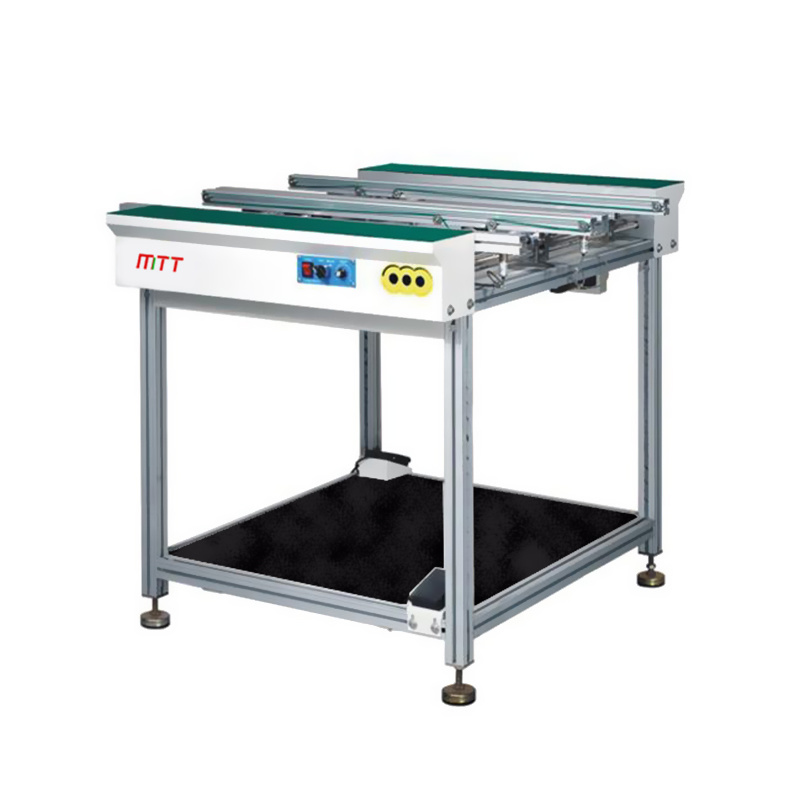
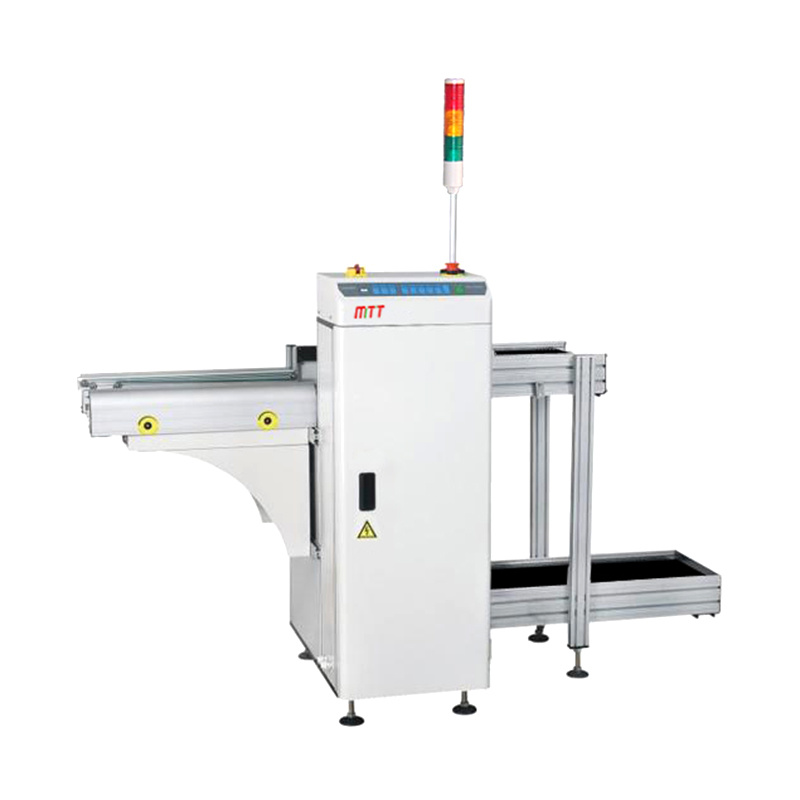
SMT loaders serve a vital role in the automated assembly of electronic components. By accurately loading components onto PCBs, they ensure that production lines operate smoothly and efficiently. Key functionalities include:
Automated Component Feeding
With technological advancements, SMT loaders now feature **automated component feeding systems** that minimize human intervention. This automation not only increases speed but also reduces the risk of errors associated with manual handling.
High Precision Placement
Modern SMT loaders utilize advanced vision systems to achieve **high precision placement** of components. This capability ensures that components are correctly aligned and fixed, which is critical for the performance and reliability of electronic devices.
The Latest Innovations in SMT Loader Technology
1. Enhanced Automation Features
As automation continues to dominate the manufacturing sector, SMT loaders have incorporated **smart technology** that allows them to adjust operations in real-time. These systems use data analytics and machine learning algorithms to optimize component placement and loading speeds based on ongoing production metrics.
2. Integration with Industry 4.0
The rise of **Industry 4.0** principles has led to an increased demand for connectivity and data-sharing capabilities. New SMT loaders are now equipped with IoT (Internet of Things) capabilities, allowing for seamless integration with other manufacturing systems. This connectivity enhances operational transparency and allows for better monitoring of equipment performance.
The Role of Big Data
By harnessing **big data**, manufacturers can analyze historical performance data to predict potential issues before they arise, ensuring continuous production flow and minimizing downtime.
3. Energy Efficiency and Sustainability
Sustainability is at the forefront of modern manufacturing practices. New SMT loaders are designed to be **energy efficient**, utilizing less power while maintaining high performance. This not only reduces operating costs but also aligns with global initiatives to promote eco-friendly manufacturing practices.
Green Manufacturing Practices
By adopting energy-efficient technologies, manufacturers contribute to a more sustainable future, reducing their carbon footprint and enhancing their corporate social responsibility (CSR) profile.
4. Flexibility and Adaptability
With the rapid changes in consumer demand and technological advancements, there's a growing need for flexibility in manufacturing processes. Latest SMT loaders offer **modular designs** that allow for easy upgrades and modifications, enabling manufacturers to adapt quickly to changing market conditions.
Customizable Options
These loaders can be tailored to meet specific production requirements, allowing for the processing of various component sizes and types without extensive downtime.
Benefits of Advanced SMT Loader Technology
Improved Production Efficiency
The integration of advanced technologies in SMT loaders significantly enhances production efficiency. Automated systems reduce cycle times, allowing manufacturers to increase output while maintaining quality.
Enhanced Quality Control
With precise component placement and integrated inspection systems, advanced SMT loaders contribute to improved quality control. This results not only in higher quality products but also in reduced waste and rework costs.
Cost-Effectiveness
Despite the initial investment in advanced SMT loaders, the long-term savings through enhanced efficiency and reduced errors make them a cost-effective solution for modern manufacturers.
Future Trends in SMT Loader Technology
Artificial Intelligence Integration
The future of SMT loader technology lies in the integration of **artificial intelligence (AI)**. AI can analyze production data in real-time, making adjustments for optimal performance. This capability will enable manufacturers to achieve unprecedented levels of efficiency.
Collaborative Robots (Cobots)
**Collaborative robots**, or cobots, are gaining traction in manufacturing environments. These robots work alongside human operators, enhancing productivity without replacing the human touch. Future SMT loaders may incorporate cobots to assist in loading processes, further optimizing assembly lines.
Enhanced Human-Machine Interfaces
As technology evolves, so does the user experience. Enhanced **human-machine interfaces (HMIs)** will provide operators with intuitive controls and real-time data insights, making it easier to monitor and manage loading processes.
FAQs About SMT Loader Technology
What is an SMT loader?
An SMT loader is a machine used in the electronics manufacturing process to automatically load electronic components onto printed circuit boards (PCBs) for assembly.
How do SMT loaders improve manufacturing efficiency?
SMT loaders enhance efficiency by automating the loading process, reducing manual labor, and decreasing the likelihood of errors, which leads to faster production times.
What are the latest features in SMT loader technology?
Recent innovations include increased automation, IoT integration, energy efficiency, modular designs, and enhanced precision through advanced vision systems.
How does Industry 4.0 impact SMT loaders?
Industry 4.0 promotes connectivity and data sharing, enabling SMT loaders to integrate with other manufacturing systems, enhancing transparency and operational efficiency.
Are advanced SMT loaders cost-effective?
While the initial investment may be higher, the long-term savings through improved efficiency, reduced errors, and enhanced quality control make advanced SMT loaders a cost-effective choice.
Conclusion
The advancements in SMT loader technology represent a significant leap forward in the manufacturing sector. By incorporating automation, connectivity, energy efficiency, and precision, these innovations are transforming how electronic components are assembled. As we look to the future, the integration of AI, cobots, and user-friendly interfaces promises even greater enhancements, ensuring that manufacturers can meet the ever-growing demands of the market. Embracing these technological advancements not only drives efficiency and quality but also positions manufacturers as leaders in sustainable practices within the industry. The journey of innovation in SMT loader technology is just beginning, and its impact will resonate across the manufacturing landscape for years to come.
Related News