

Understanding SMT Loading Machines and Their Role in Conveyor Systems


2026-03-21
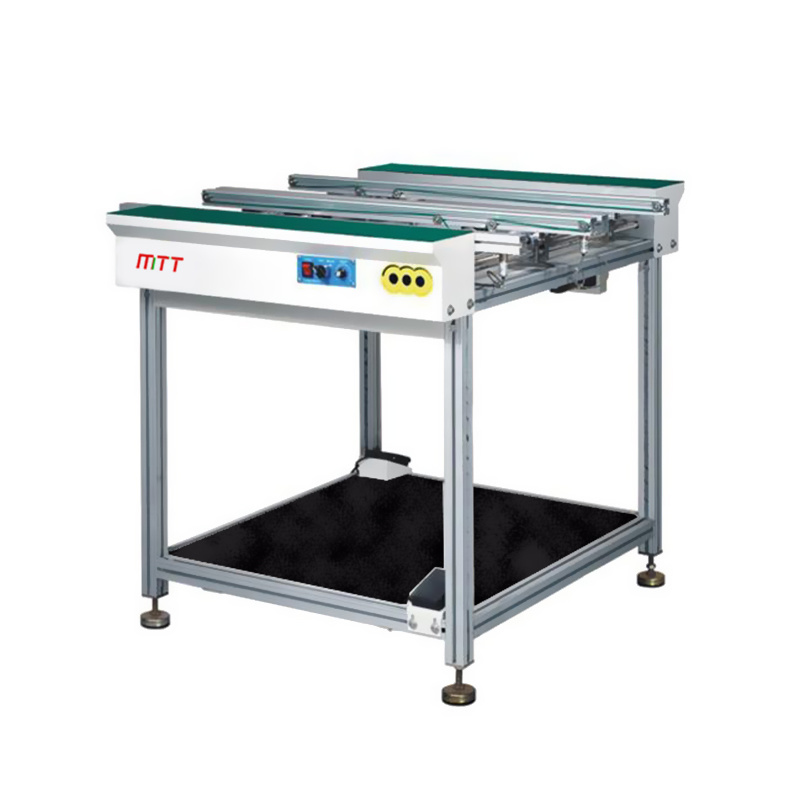
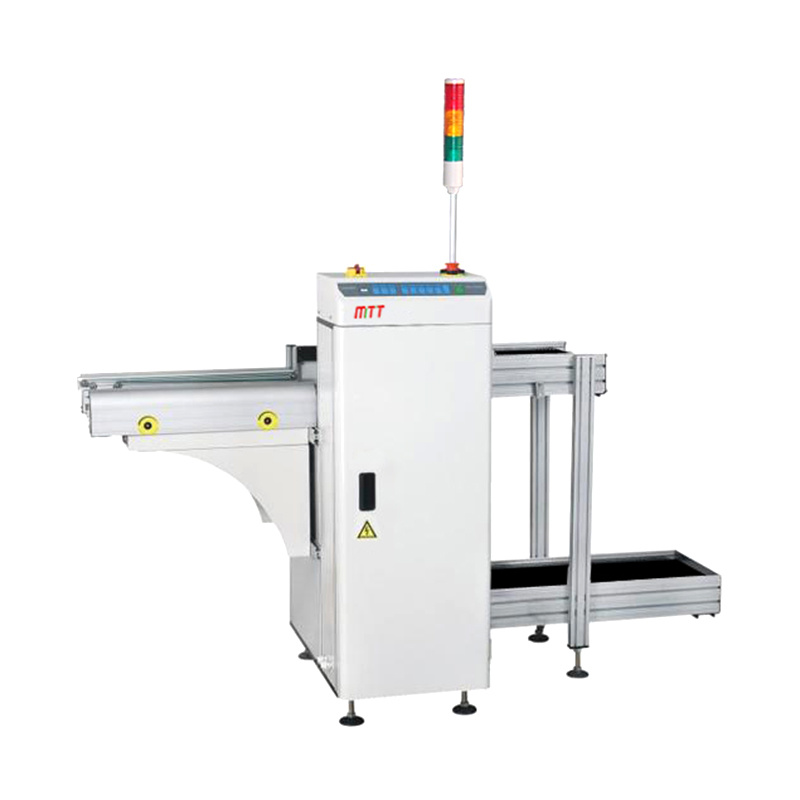
In the realm of industrial equipment, particularly within the categories of conveyors and chain systems, the SMT loading machine plays a crucial role in enhancing operational efficiency. SMT, or Surface Mount Technology, pertains to the assembly of electronic components on printed circuit boards, and the loading machines designed for this purpose are integral in streamlining production processes.
SMT loading machines are engineered to facilitate the precise placement of electronic components onto a circuit board before soldering. These machines are typically utilized in high-volume manufacturing settings, where speed and accuracy are paramount. The primary advantage of using SMT loading machines lies in their ability to significantly reduce human error, thereby increasing the overall quality of the product. By automating the component placement process, manufacturers can achieve consistent results and minimize the risk of defects that could arise from manual handling.
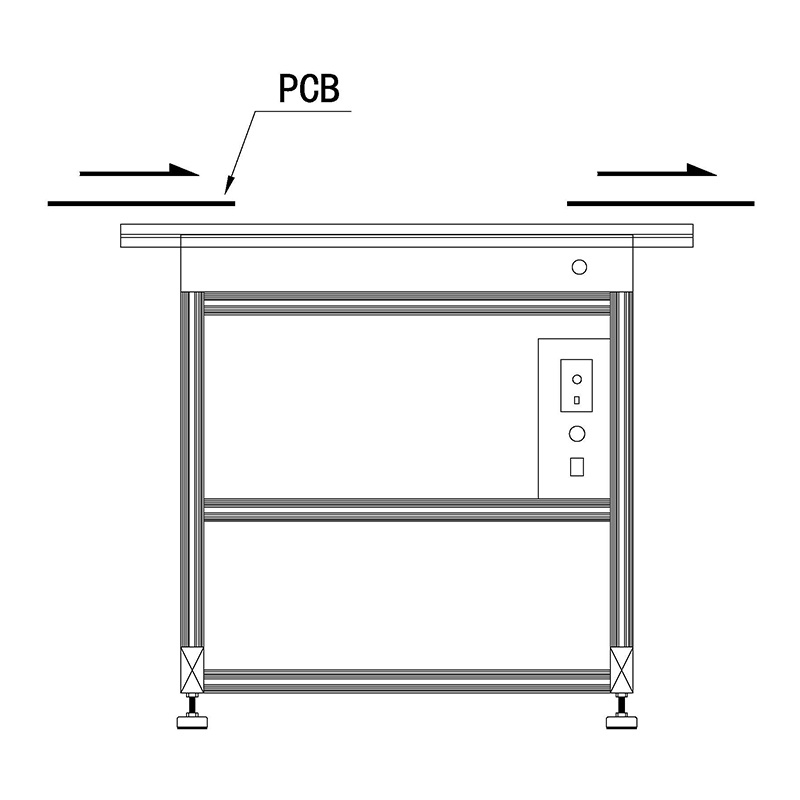
One of the standout features of SMT loading machines is their compatibility with various types of conveyor systems. In a typical assembly line, these machines are configured to work in conjunction with conveyor belts, allowing for a seamless flow of materials. The integration of SMT loading machines into a conveyor system not only enhances throughput but also optimizes space utilization, as the machines can be strategically positioned to work alongside other equipment.
Moreover, modern SMT loading machines are equipped with advanced technologies such as vision systems and software that allow for precise alignment and placement of components. This technological advancement ensures that even the smallest and most intricate parts can be handled with care and accuracy. The ability to program different component sizes and types into the machine's system further adds to its versatility, making it an essential asset for any manufacturing operation.
From a maintenance perspective, it is critical to ensure that SMT loading machines are regularly serviced to maintain optimal performance. Routine checks on the machine's components, alignment settings, and software updates can prevent downtime and enhance productivity. Additionally, investing in training for operators can lead to more efficient use of the machinery, ultimately contributing to a more streamlined production process.
In conclusion, SMT loading machines are invaluable in the industrial sector, especially for businesses focusing on conveyor systems. Their role in enhancing accuracy, efficiency, and integration into manufacturing workflows cannot be overstated. By understanding the importance of these machines and their effective deployment, manufacturers can significantly improve their operational capabilities and product quality.
SMT loading machines are engineered to facilitate the precise placement of electronic components onto a circuit board before soldering. These machines are typically utilized in high-volume manufacturing settings, where speed and accuracy are paramount. The primary advantage of using SMT loading machines lies in their ability to significantly reduce human error, thereby increasing the overall quality of the product. By automating the component placement process, manufacturers can achieve consistent results and minimize the risk of defects that could arise from manual handling.
One of the standout features of SMT loading machines is their compatibility with various types of conveyor systems. In a typical assembly line, these machines are configured to work in conjunction with conveyor belts, allowing for a seamless flow of materials. The integration of SMT loading machines into a conveyor system not only enhances throughput but also optimizes space utilization, as the machines can be strategically positioned to work alongside other equipment.
Moreover, modern SMT loading machines are equipped with advanced technologies such as vision systems and software that allow for precise alignment and placement of components. This technological advancement ensures that even the smallest and most intricate parts can be handled with care and accuracy. The ability to program different component sizes and types into the machine's system further adds to its versatility, making it an essential asset for any manufacturing operation.
From a maintenance perspective, it is critical to ensure that SMT loading machines are regularly serviced to maintain optimal performance. Routine checks on the machine's components, alignment settings, and software updates can prevent downtime and enhance productivity. Additionally, investing in training for operators can lead to more efficient use of the machinery, ultimately contributing to a more streamlined production process.
In conclusion, SMT loading machines are invaluable in the industrial sector, especially for businesses focusing on conveyor systems. Their role in enhancing accuracy, efficiency, and integration into manufacturing workflows cannot be overstated. By understanding the importance of these machines and their effective deployment, manufacturers can significantly improve their operational capabilities and product quality.
Related News