

Key Considerations When Investing in an SMT Loader: A Comprehensive Guide


2026-03-23
Key Considerations When Investing in an SMT Loader
The world of electronics manufacturing is fast-paced and ever-evolving. With the push for efficiency and precision in production lines, selecting the right Surface Mount Technology (SMT) loader becomes paramount. This article delves into the critical factors you should consider before making such an investment, ensuring that your choice aligns perfectly with your production goals.
Understanding SMT Loaders: The Backbone of Modern Assembly Lines
An SMT loader serves as a crucial component of the PCB assembly process. It is responsible for placing electronic components onto printed circuit boards (PCBs) with high precision. Understanding the role of an SMT loader is essential, as it informs your choice of equipment.
What Is an SMT Loader?
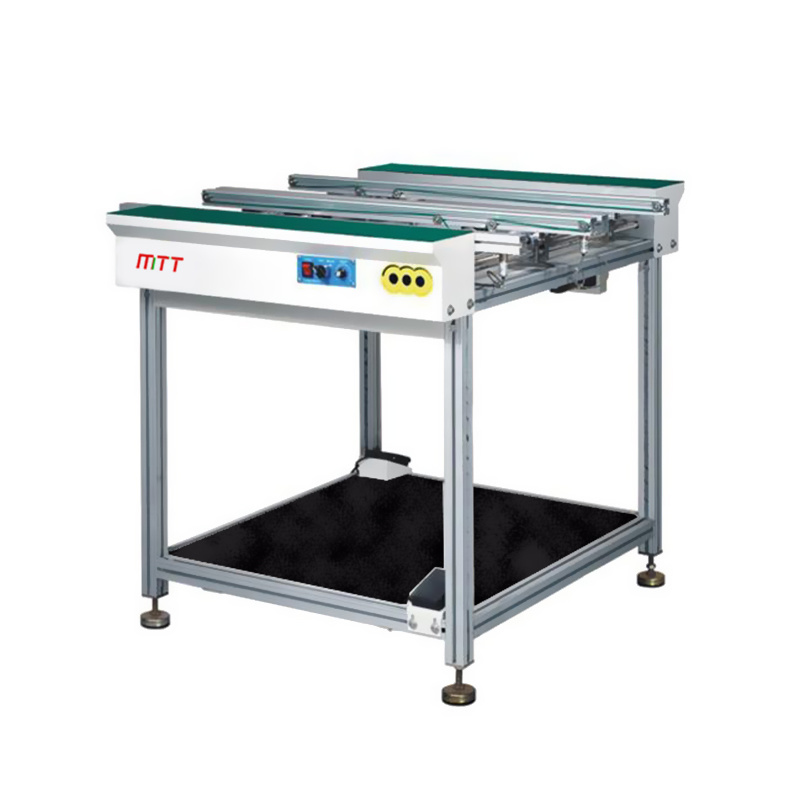
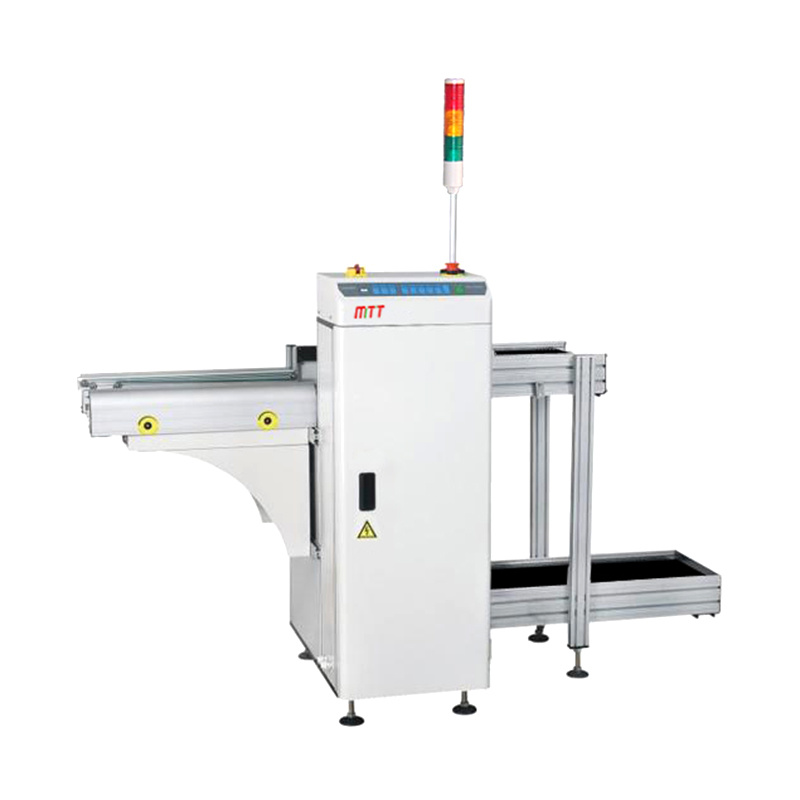
An SMT loader is a machine designed to automate the process of loading components onto a PCB. This equipment can enhance productivity by minimizing human error and speeding up the assembly process. By investing in an SMT loader, manufacturers can significantly improve throughput and maintain high-quality standards.
The Importance of SMT Loaders in Manufacturing
In today’s competitive manufacturing environment, efficiency and quality are non-negotiable. SMT loaders streamline the assembly process, allowing for quicker turnarounds and less labor-intensive operations. This not only results in cost savings but also ensures that products meet stringent quality standards, thereby enhancing customer satisfaction.
Key Features to Consider When Investing in an SMT Loader
When evaluating SMT loaders, several features must be taken into account. These characteristics will determine how well the loader can meet your specific needs and enhance your production line’s efficiency.
1. Speed and Throughput
The speed of an SMT loader is a significant factor that impacts overall productivity. Look for machines that can handle high-speed operations while maintaining accuracy and reliability. A higher throughput ensures that your production line can keep up with demand.
2. Component Compatibility
Not all SMT loaders can handle the same range of components. It's vital to ensure that the loader you choose is compatible with the specific components you plan to use in your assembly process. Check the specifications for component sizes and types to avoid compatibility issues down the road.
3. Precision and Accuracy
Precision is critical in electronics manufacturing. An SMT loader must provide high accuracy in component placement to prevent defects and reduce rework. Consider machines that offer advanced positioning systems and technologies, such as laser guidance or vision systems.
4. Ease of Use and Programming
An intuitive user interface and straightforward programming are essential for efficient operation. Look for SMT loaders that offer user-friendly software and clear instructions. This will reduce training time for operators and minimize errors during setup.
5. Maintenance and Support
Like any piece of machinery, SMT loaders require regular maintenance to operate efficiently. Before investing, inquire about the manufacturer's service and support options. Reliable after-sales support and maintenance services will ensure that your investment remains productive over time.
6. Cost-effectiveness
While purchasing an SMT loader is a significant investment, it’s important to consider the cost-effectiveness over time. Analyze the total cost of ownership, including initial purchase price, operational costs, and maintenance expenses. Sometimes, a higher upfront cost can result in lower long-term expenses due to efficiency gains.
7. Size and Space Requirements
The physical dimensions of the SMT loader are another important consideration. Ensure that the machine fits within your production floor layout. Additionally, consider the space necessary for operation, maintenance, and potential future expansions.
8. Technology Integration
In modern manufacturing environments, integration with other equipment and systems is crucial. Look for SMT loaders that can easily connect with existing machinery, software, and enterprise systems. This will facilitate a seamless workflow and enhance overall efficiency.
Evaluating Vendors: How to Choose the Right Supplier
Choosing the right vendor for your SMT loader is just as vital as selecting the machine itself. A reliable supplier can significantly affect your overall satisfaction and success with your investment.
1. Reputation and Experience
Research potential vendors thoroughly. Look for companies with a solid reputation in the industry and extensive experience in providing SMT solutions. Customer reviews and case studies can provide insights into their reliability and service quality.
2. Product Range and Customization Options
A versatile supplier should offer a range of SMT loaders that can be tailored to your specific needs. Customization options may include modifications to accommodate unique component types or production processes.
3. Warranty and Service Agreements
Ensure that the vendor offers a comprehensive warranty and service agreements. This demonstrates their confidence in the quality of their machines and their commitment to customer satisfaction.
4. Training and Support
Inquire about the training and support provided post-purchase. A good supplier will offer comprehensive training to ensure that your team can operate the loader effectively. Ongoing support is also essential for troubleshooting any issues that may arise.
Future Trends in SMT Loader Technology
As technology advances, so does the landscape of SMT loaders. Staying informed about future trends can help you make strategic decisions about your investment.
1. Automation and AI Integration
The incorporation of artificial intelligence in SMT loaders is a growing trend. These intelligent machines can analyze production data in real time and make adjustments to optimize performance. This level of automation can significantly reduce downtime and increase efficiency.
2. Enhanced Connectivity and IoT Capabilities
The Internet of Things (IoT) is revolutionizing manufacturing processes. Future SMT loaders will likely feature advanced connectivity options, allowing for remote monitoring and control. This can lead to proactive maintenance and improved operational insights.
3. Eco-Friendly Manufacturing Practices
Sustainability is becoming increasingly important in manufacturing. Future SMT loaders may be designed to reduce energy consumption and minimize waste, aligning with global efforts to promote eco-friendly practices.
Common Misconceptions About SMT Loaders
Understanding common misconceptions can help you make a more informed decision when investing in an SMT loader.
1. SMT Loaders Are Only for High-Volume Production
While SMT loaders excel in high-volume settings, they can also be advantageous for lower-volume production runs. Their precision and speed can enhance quality and efficiency, even in smaller batches.
2. All SMT Loaders Are the Same
This is far from the truth. SMT loaders vary significantly in terms of speed, accuracy, component compatibility, and features. It’s essential to conduct thorough research to find the machine that best suits your specific requirements.
3. Investing in Technology Is Too Expensive
While the initial investment may seem daunting, the long-term benefits of increased productivity, reduced labor costs, and decreased error rates often outweigh the costs. Investing in advanced machinery like SMT loaders can pay off significantly over time.
FAQs: Key Considerations When Investing in an SMT Loader
1. What is the average cost of an SMT loader?
The cost of an SMT loader can vary widely depending on its features and capabilities, ranging from tens of thousands to several hundred thousand dollars.
2. How long does it take to set up an SMT loader?
Setup time can vary based on the complexity of the machine and the operator's experience but typically takes a few hours to a couple of days.
3. Are SMT loaders difficult to operate?
Many modern SMT loaders are designed with user-friendly interfaces and training programs to help operators become proficient quickly.
4. What are the maintenance requirements for SMT loaders?
Regular maintenance typically includes cleaning, calibration, and software updates. Consult the manufacturer for specific guidelines.
5. Can SMT loaders handle different types of components?
Yes, many SMT loaders are designed to accommodate a variety of component types, but it is essential to check compatibility with your specific components.
Conclusion
Investing in an SMT loader is a significant decision that can greatly impact your manufacturing processes. By carefully considering the key features, evaluating potential suppliers, and staying informed about industry trends, you can make an informed choice that enhances productivity and quality in your production line. In the fast-paced electronics manufacturing environment, making the right investment in technology is crucial for long-term success.
Related News