

Top Benefits of Using SMT Board Transport Systems for Enhanced Efficiency


2026-03-19
Top Benefits of Using SMT Board Transport Systems for Enhanced Efficiency
Table of Contents
1. Introduction to SMT Board Transport Systems
2. What Are SMT Board Transport Systems?
3. Key Benefits of SMT Board Transport Systems
1. Enhanced Efficiency and Productivity
2. Improved Quality Control
3. Flexibility and Scalability
4. Cost-Effective Solutions
5. Safety and Reliability
4. Types of SMT Board Transport Systems
5. How to Choose the Right SMT Board Transport System
6. Maintenance and Support for SMT Systems
7. The Future of SMT Board Transport Systems
8. Frequently Asked Questions
9. Conclusion
Introduction to SMT Board Transport Systems
In the fast-paced world of electronics manufacturing, **Surface Mount Technology (SMT)** has revolutionized the way circuit boards are assembled. Integral to this process are SMT Board Transport Systems, which play a vital role in moving components through various stages of production. These systems not only enhance efficiency but also contribute to improved quality and reduced operational costs. In this article, we’ll delve into the numerous benefits of employing SMT Board Transport Systems and how they can transform your manufacturing process.
What Are SMT Board Transport Systems?
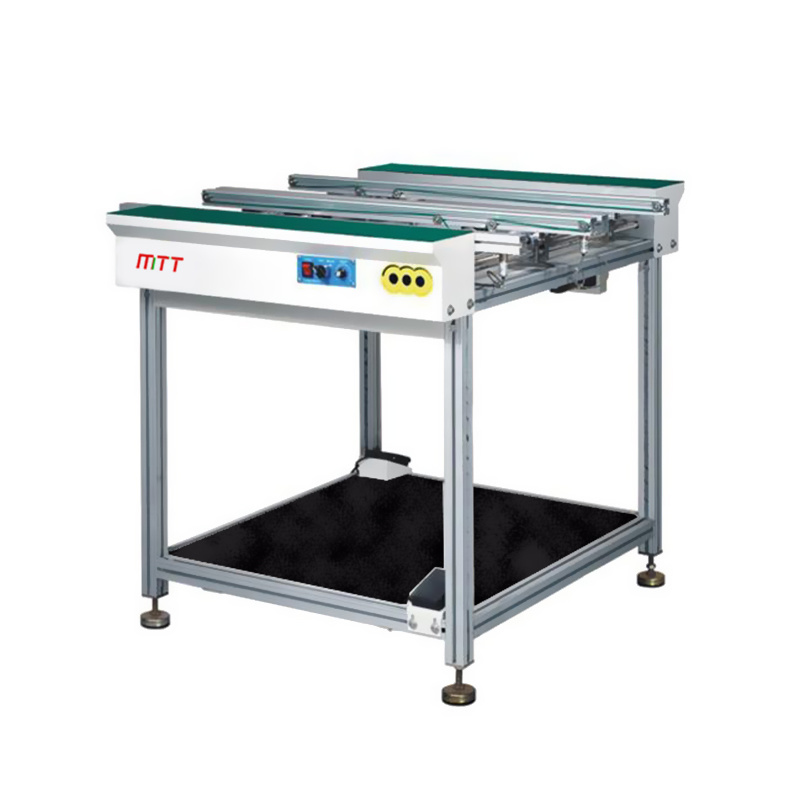
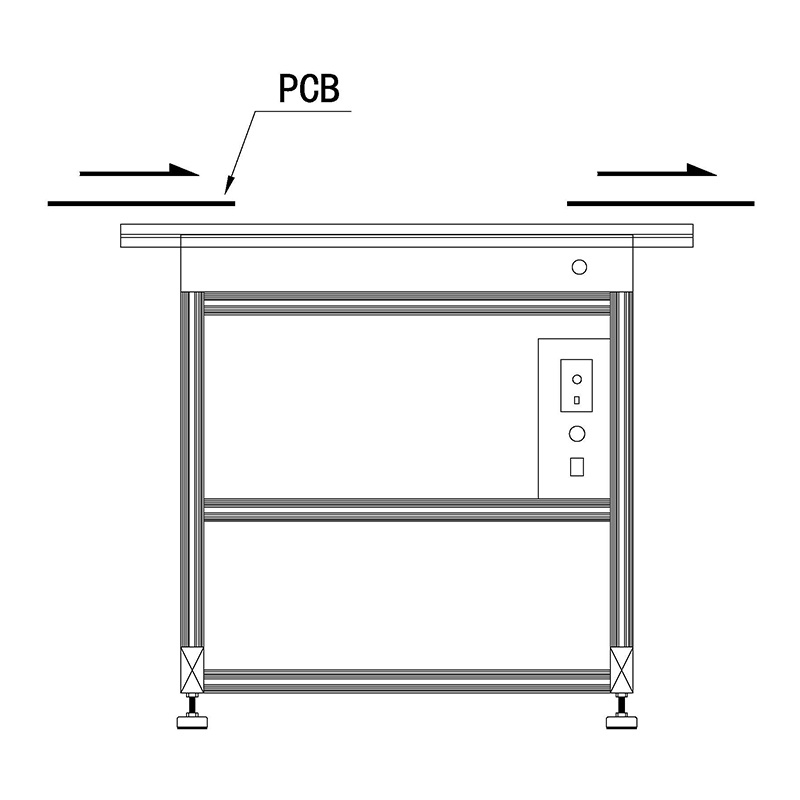
SMT Board Transport Systems are specialized conveyor systems designed to transport printed circuit boards (PCBs) and other components through the different phases of assembly. These systems utilize advanced technology to ensure that boards move smoothly and accurately from one machine to another, whether during soldering, inspection, or packaging. By seamlessly integrating into the manufacturing line, SMT transport systems facilitate streamlined operations and optimize workflow.
Key Benefits of SMT Board Transport Systems
Enhanced Efficiency and Productivity
One of the most significant advantages of SMT Board Transport Systems is the **enhanced efficiency** they provide. These systems are designed to minimize the time and effort required to move boards between different processes. By automating the transport of PCBs, manufacturers can increase their output and reduce cycle times. This efficiency leads to higher productivity levels, allowing companies to fulfill larger orders without compromising quality.
Improved Quality Control
Quality control is paramount in electronics manufacturing, and SMT Board Transport Systems contribute significantly to this aspect. These systems reduce the risk of human error by automating the transport process, ensuring consistent handling of components. Furthermore, many SMT systems are equipped with sensors and monitoring tools that allow real-time tracking of board conditions. This capability enables manufacturers to identify and address potential issues promptly, thereby enhancing overall product quality.
Flexibility and Scalability
As businesses grow, their production needs often evolve. SMT Board Transport Systems offer remarkable **flexibility and scalability**, making it easy to adapt to changing requirements. These systems can be customized to accommodate various board sizes and configurations, allowing manufacturers to efficiently handle diverse product lines. Additionally, as demand increases, companies can easily expand their transport systems without significant downtime or operational disruption.
Cost-Effective Solutions
Investing in SMT Board Transport Systems can lead to substantial cost savings over time. By improving efficiency and quality, manufacturers can reduce waste and minimize the costs associated with defects and rework. Furthermore, automated transport systems require less labor, allowing companies to allocate resources more effectively. The initial investment in these systems is often offset by the long-term savings they provide, making them a wise financial choice for businesses in the electronics industry.
Safety and Reliability
Safety is a critical concern in any manufacturing environment. SMT Board Transport Systems enhance safety by reducing manual handling and the potential for workplace accidents. These systems are designed with safety features such as emergency stops and barriers to protect operators. Additionally, the reliability of automated transport ensures that boards are consistently moved without delay, further contributing to a safe and efficient work environment.
Types of SMT Board Transport Systems
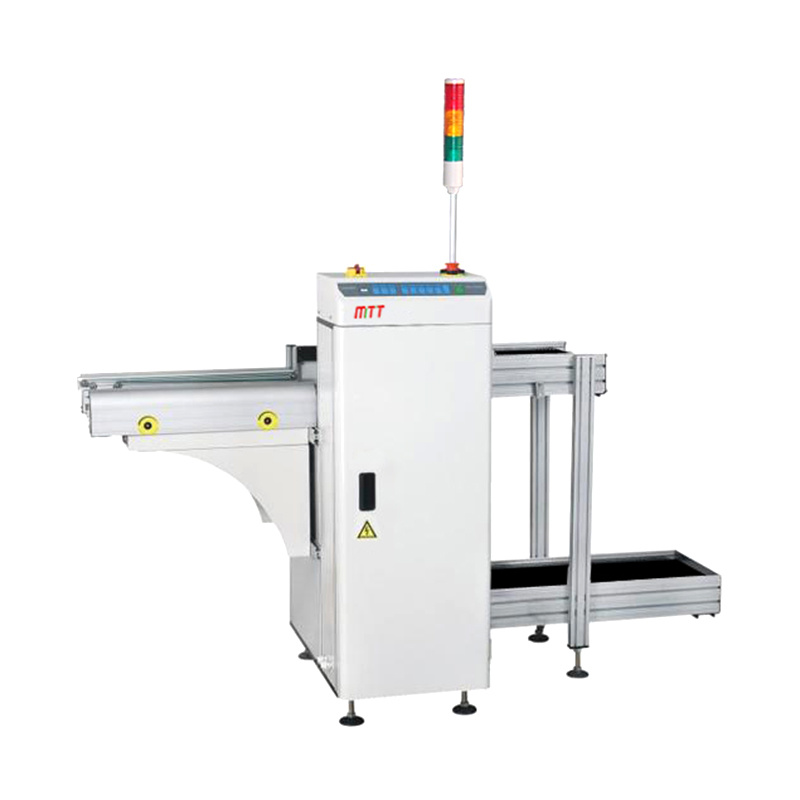
There are several types of SMT Board Transport Systems available, each designed to meet specific manufacturing needs. These include:
1. **Conveyor Systems**: Traditional belt or roller conveyors that move boards through the production line.
2. **Modular Transport Systems**: Customizable systems that allow for easy reconfiguration based on production needs.
3. **Smart Transport Systems**: Advanced systems equipped with AI and IoT capabilities for real-time monitoring and optimization.
4. **Vertical Transport Systems**: Systems designed to move boards vertically, saving floor space and improving workflow efficiency.
Understanding these options helps manufacturers select the right system for their unique requirements.
How to Choose the Right SMT Board Transport System
Selecting the appropriate SMT Board Transport System requires careful consideration of various factors. Here are key aspects to evaluate:
1. **Production Volume**: Assess your current and future production needs to determine the system’s capacity.
2. **Board Specifications**: Factor in the size, weight, and type of boards you will be transporting.
3. **Integration Compatibility**: Ensure the system can seamlessly integrate with existing equipment and workflows.
4. **Budget**: Consider both upfront costs and long-term savings when selecting a system.
By analyzing these factors, manufacturers can make informed decisions that align with their operational goals.
Maintenance and Support for SMT Systems
Proper maintenance is essential for the longevity and reliability of SMT Board Transport Systems. Routine checks and servicing can prevent unexpected downtime and costly repairs. Many manufacturers offer support packages that include training, troubleshooting, and maintenance services. Investing in comprehensive support ensures that your transport system remains in optimal working condition, maximizing operational efficiency.
The Future of SMT Board Transport Systems
The landscape of SMT Board Transport Systems is continually evolving, driven by advancements in technology and increasing market demands. Future systems are expected to integrate more sophisticated automation features, including AI-driven analytics for predictive maintenance and enhanced process optimization. As Industry 4.0 continues to shape manufacturing, SMT transport systems will play a crucial role in facilitating smarter, more efficient production environments.
Frequently Asked Questions
1. What is the primary function of SMT Board Transport Systems?
The primary function of SMT Board Transport Systems is to efficiently move printed circuit boards (PCBs) and components through various stages of the manufacturing process, reducing manual handling and optimizing workflow.
2. How do SMT Board Transport Systems improve production efficiency?
These systems automate the transport process, significantly reducing cycle times and allowing for faster production rates. They also minimize errors associated with manual handling, contributing to overall efficiency.
3. Are SMT Board Transport Systems customizable?
Yes, many SMT Board Transport Systems are modular and customizable, allowing manufacturers to tailor the system to their specific production requirements and easily adapt to changing needs.
4. What maintenance is required for SMT Board Transport Systems?
Regular maintenance typically includes routine inspections, cleaning, and mechanical adjustments to ensure optimal performance. Manufacturers often provide support packages that include comprehensive maintenance services.
5. How can I determine the right SMT Board Transport System for my business?
Assess your production volume, board specifications, integration compatibility, and budget to make an informed decision that aligns with your operational goals.
Conclusion
In summary, SMT Board Transport Systems offer a plethora of advantages for manufacturers in the electronics industry. From enhanced efficiency and improved quality control to flexibility and cost-effectiveness, these automated systems revolutionize production processes. By investing in the right SMT transport solution, businesses can not only meet current demands but also position themselves for future growth. Embracing these technologies will ultimately lead to greater operational success and a competitive edge in the evolving landscape of electronics manufacturing.
Related News