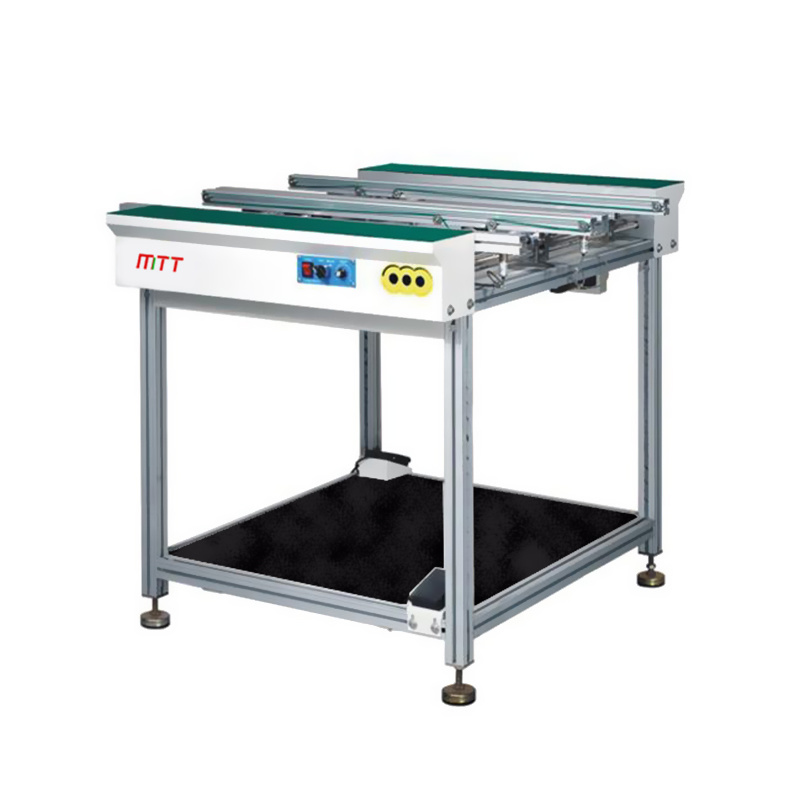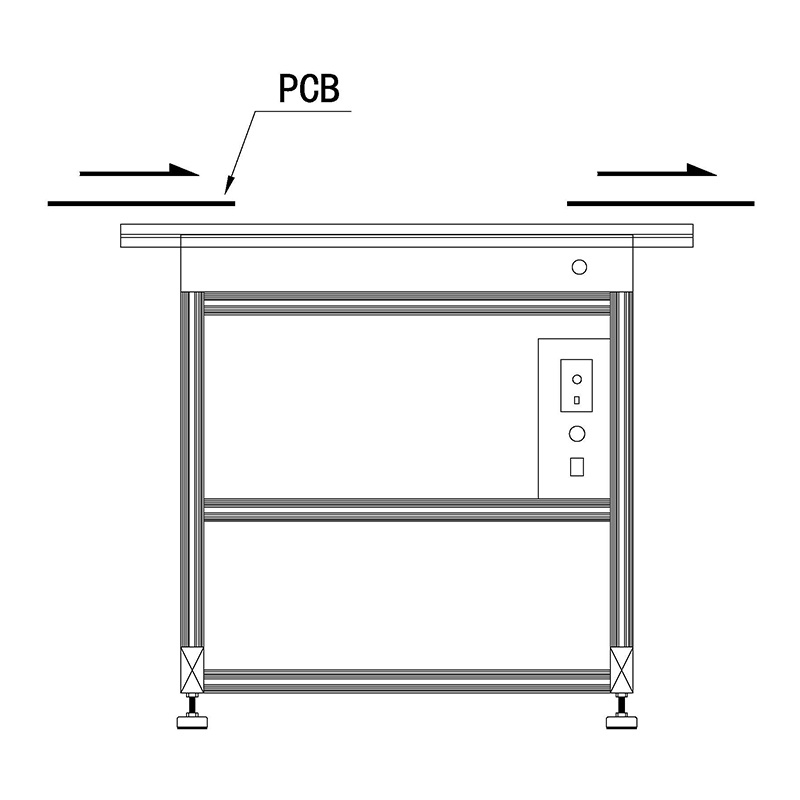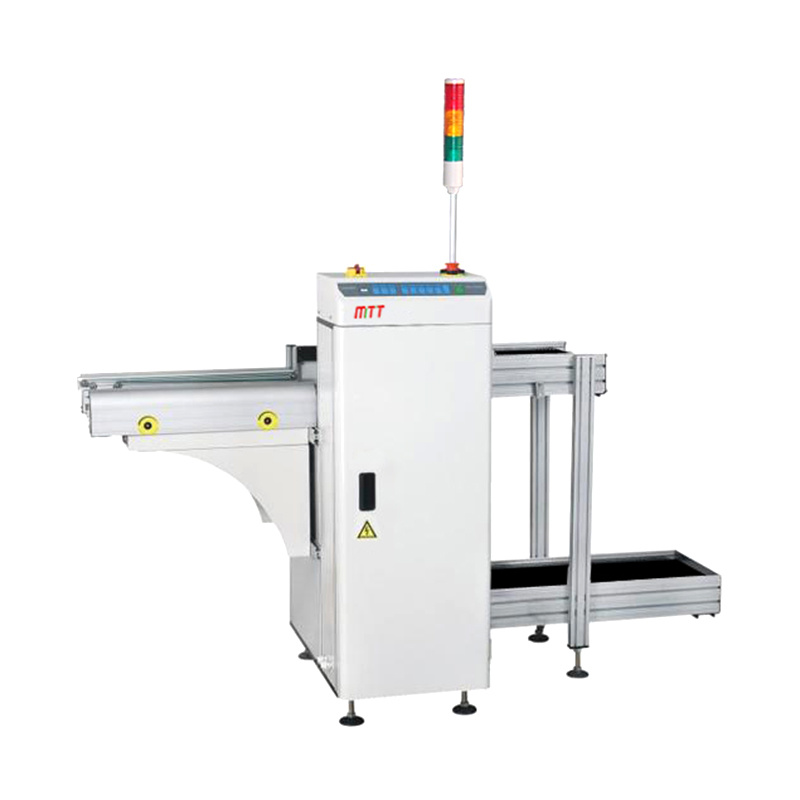


PCB Clean Machines: The Key to Excellence in Electronics Manufacturing


2026-02-27
PCB Clean Machines: The Key to Excellence in Electronics Manufacturing
Table of Contents
- 1. Introduction to PCB Clean Machines
- 2. Importance of PCB Cleaning in Electronics Manufacturing
- 3. Types of PCB Clean Machines
- 4. Advanced Technologies in PCB Cleaning
- 5. Benefits of Using PCB Clean Machines
- 6. Best Practices for PCB Cleaning
- 7. Common Issues in PCB Cleaning and Solutions
- 8. Frequently Asked Questions (FAQs)
- 9. Conclusion
1. Introduction to PCB Clean Machines
In today's fast-paced electronics manufacturing landscape, the cleanliness of printed circuit boards (PCBs) is paramount. PCB clean machines represent a key investment for manufacturers looking to ensure the highest quality of their electronic products. These sophisticated cleaning solutions are designed to remove contaminants such as flux residues, dust, and oils from PCBs, ultimately enhancing reliability and performance.
2. Importance of PCB Cleaning in Electronics Manufacturing
The manufacturing process of electronic devices involves various stages, including assembly and soldering, which can introduce contaminants. These impurities can lead to significant issues like short circuits, reduced lifespan, and poor connectivity. As such, the importance of PCB cleaning cannot be overstated. Implementing effective cleaning strategies not only boosts product quality but also ensures compliance with industry standards and regulations.
Understanding Contamination Risks
Contaminants on PCBs can originate from multiple sources, including:
- Manufacturing residues such as solder flux
- Environmental factors like dust and moisture
- Handling by personnel, leading to grease and oils
By investing in PCB clean machines, manufacturers can significantly mitigate these risks.
3. Types of PCB Clean Machines
The choice of PCB cleaning technology can greatly affect the efficiency and effectiveness of the cleaning process. Here, we explore the various types of PCB clean machines widely used in the industry.
3.1 Ultrasonic Cleaners
Ultrasonic cleaners employ high-frequency sound waves to agitate a cleaning solution, creating microscopic bubbles that penetrate even the most intricate geometries of PCBs. This method is particularly effective in removing stubborn contaminants.
3.2 Aqueous Cleaners
Aqueous cleaners utilize water-based solutions to dissolve and remove contaminants. These machines are environmentally friendly and effective for cleaning flux residues, making them a popular choice among manufacturers focused on sustainability.
3.3 Solvent Cleaners
Solvent cleaners leverage chemical solutions to break down and remove contaminants. While they are effective, the use of solvents raises environmental and safety concerns, necessitating proper handling and disposal practices.
4. Advanced Technologies in PCB Cleaning
As technology evolves, so do PCB cleaning solutions. Advanced features in modern PCB clean machines enhance their performance and efficiency. These include:
- Automated Cleaning Cycles: Streamlining the cleaning process and ensuring consistency.
- Temperature Control: Optimizing cleaning performance by adjusting the temperature of the cleaning solution.
- Filtration Systems: Maintaining the cleanliness of the cleaning solution to prolong its effectiveness.
- Integrated Drying Mechanisms: Reducing turnaround time by integrating drying processes post-cleaning.
5. Benefits of Using PCB Clean Machines
The implementation of PCB clean machines offers numerous benefits that can dramatically improve both the quality of products and the efficiency of manufacturing operations. Key advantages include:
Enhanced Product Quality
Clean PCBs are essential for ensuring high-performance electronic devices, reducing the likelihood of failures and warranty claims.
Increased Operational Efficiency
With automated cleaning processes, manufacturers can enhance throughput and reduce labor costs associated with manual cleaning methods.
Regulatory Compliance
Many industries are subject to stringent regulations regarding cleanliness. PCB clean machines help manufacturers meet these requirements, thereby avoiding costly fines.
Environmental Considerations
By utilizing environmentally friendly cleaning methods, manufacturers can minimize their ecological footprint and promote sustainability.
6. Best Practices for PCB Cleaning
To maximize the effectiveness of PCB cleaning processes, manufacturers should adopt the following best practices:
Routine Maintenance of Cleaning Equipment
Regularly maintaining PCB clean machines ensures optimal performance and longevity.
Choose the Right Cleaning Solution
Select cleaning agents that are compatible with the materials of the PCBs and effective against the specific contaminants present.
Implement Quality Control Measures
Establishing quality control checkpoints throughout the cleaning process ensures that all PCBs meet the required cleanliness standards before moving on to the next manufacturing stage.
7. Common Issues in PCB Cleaning and Solutions
Despite the advantages, PCB cleaning can present challenges. Here are common issues and their solutions:
Residue Post-Cleaning
Sometimes, residues may remain after cleaning. To combat this, ensure that the cleaning solution is fresh and that the cleaning machine is functioning correctly.
Damage to Components
Improper cleaning methods can damage sensitive components. Using appropriate cleaning technologies and training personnel on best practices can mitigate this risk.
Process Inefficiencies
If cleaning times are longer than expected, assess the cleaning solution, temperature, and machine settings to optimize the process.
8. Frequently Asked Questions (FAQs)
What is the best method for cleaning PCBs?
The best method varies depending on the type of contaminants and the PCB materials. Ultrasonic cleaners are often recommended for their thoroughness.
How often should PCBs be cleaned during manufacturing?
The frequency of cleaning should align with the specific processes and contamination levels in your manufacturing environment. Regular checks are advised.
Are aqueous cleaners effective?
Aqueous cleaners are effective and environmentally friendly, making them a popular choice among manufacturers.
What safety precautions should be taken when cleaning PCBs?
Always follow manufacturer guidelines, wear appropriate personal protective equipment (PPE), and ensure proper ventilation when using chemical cleaners.
Can PCB clean machines handle all types of components?
While many PCB clean machines can handle various components, it's essential to check compatibility with sensitive parts like chips and connectors.
9. Conclusion
In conclusion, PCB clean machines play an integral role in ensuring the success of electronics manufacturing. By investing in the right cleaning technologies, manufacturers can enhance product quality, improve operational efficiency, and ensure compliance with regulatory standards. As the industry continues to evolve, staying informed about the latest cleaning technologies and best practices will be crucial for maintaining a competitive edge. Properly cleaned PCBs are not just a necessity but a foundation for producing reliable and high-performance electronic devices.
Related News