

Enhancing Efficiency with SMT Production Conveyors: A Comprehensive Guide


2026-02-26
---
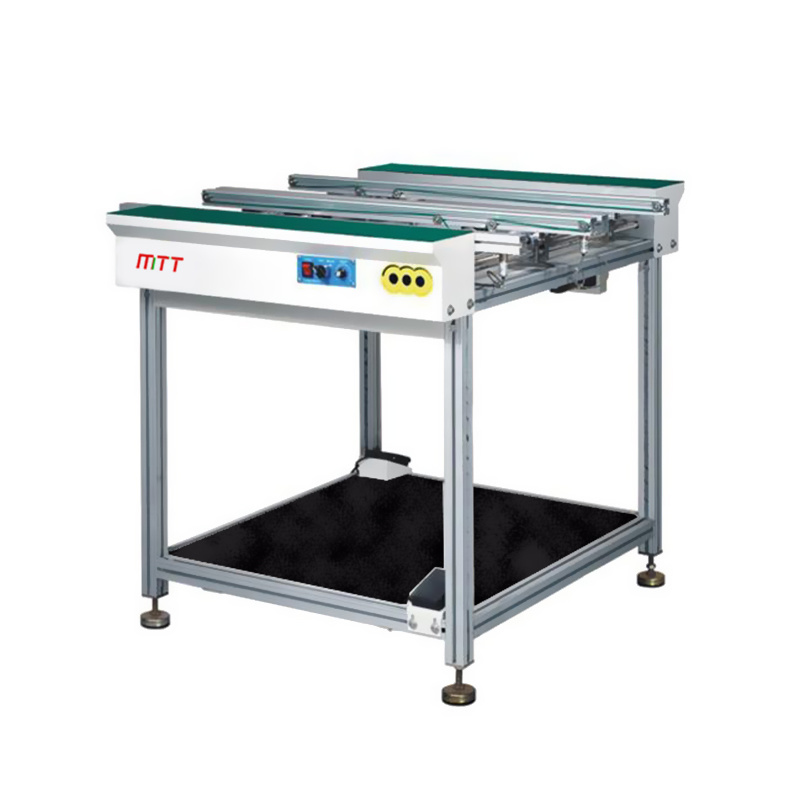
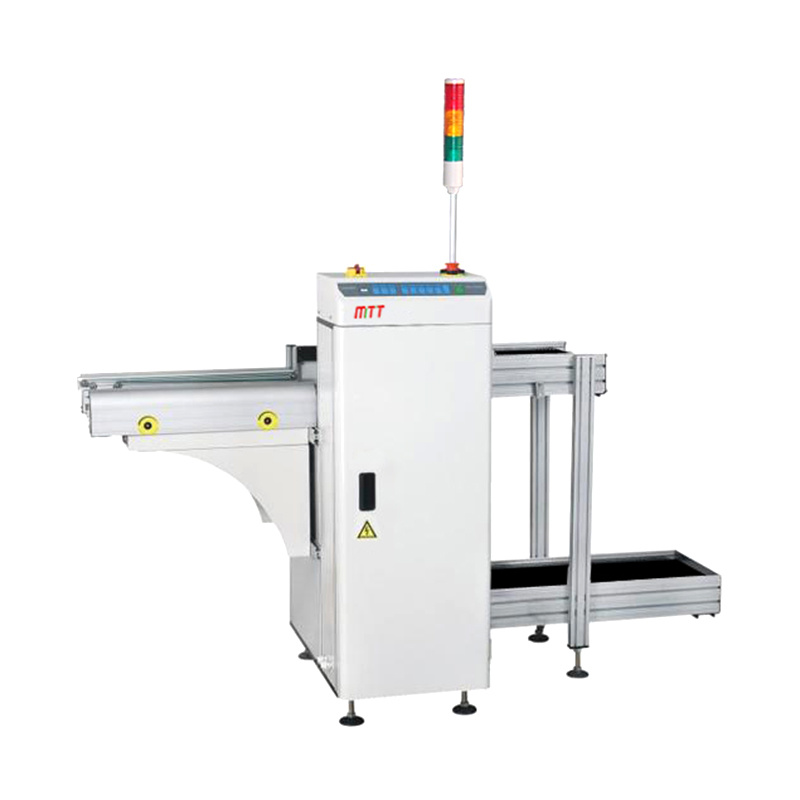
In the fast-paced world of manufacturing, especially within the electronics sector, SMT Production Conveyors have become indispensable. These conveyors are designed to support Surface Mount Technology (SMT) assembly lines, facilitating the movement of printed circuit boards (PCBs) and components through various stages of production. Understanding the functionalities and advantages of SMT Production Conveyors can significantly enhance your operational efficiency.
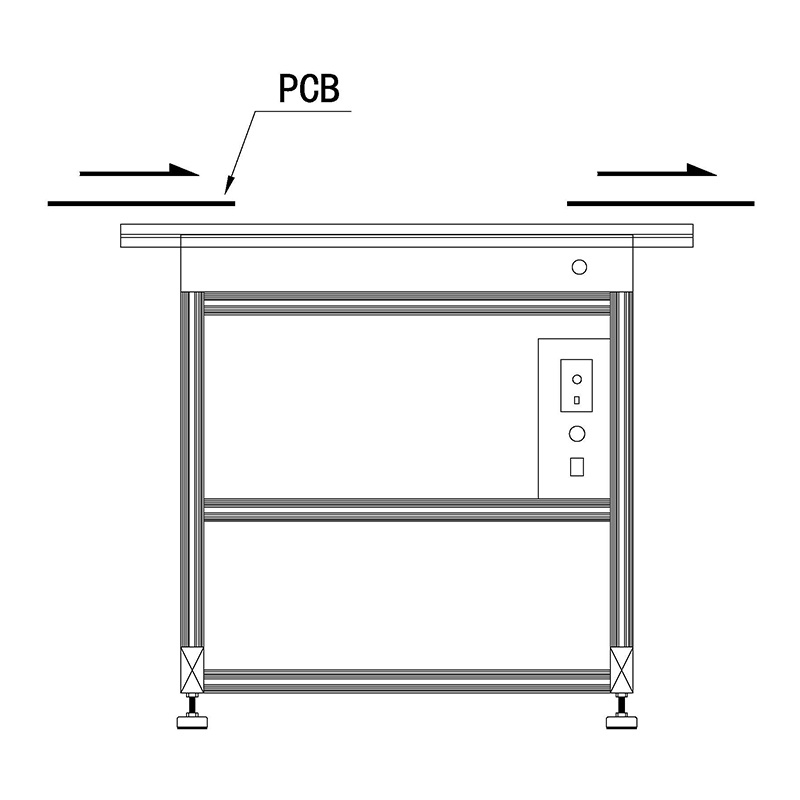
SMT Production Conveyors are engineered to offer a smooth and reliable transportation system for PCBs. They typically feature adjustable speed settings, allowing manufacturers to synchronize the conveyor speed with the pace of other machinery in the production line. This synchronization is crucial for minimizing bottlenecks, ensuring that each stage of the assembly process operates seamlessly.
Moreover, many SMT Production Conveyors are equipped with advanced features such as automatic height adjustment and modular designs. These features allow for easy integration into existing production lines, making upgrades and expansions more manageable. The modularity also means that these conveyors can be tailored to meet specific production requirements, accommodating varying sizes and types of PCBs.
Another significant advantage of SMT Production Conveyors is their ability to reduce manual handling. By automating the transportation of materials, these conveyors not only enhance efficiency but also minimize the risk of damage during handling. This automation leads to lower labor costs and less human error, which is particularly beneficial in high-precision environments.
In addition to efficiency, reliability is a key factor in selecting SMT Production Conveyors. These systems are typically built to withstand the rigors of continuous operation, with robust materials and components designed for longevity. Regular maintenance schedules can further enhance their durability, ensuring that they continue to operate effectively over time.
When considering the implementation of SMT Production Conveyors, it is essential to evaluate their compatibility with existing machinery and the overall layout of the production floor. Conducting a thorough analysis of your production needs will help in selecting the most suitable conveyor system.
Additionally, advancements in technology have led to the development of smart conveyors that monitor performance metrics in real-time. These intelligent systems can provide valuable insights into production efficiency, allowing manufacturers to make data-driven decisions for ongoing improvement.
In conclusion, SMT Production Conveyors play a pivotal role in enhancing the efficiency of manufacturing processes, especially in the context of SMT assembly lines. By understanding their functionalities and leveraging their benefits, manufacturers can significantly improve productivity and streamline operations. Investing in the right conveyor system is a strategic move toward achieving sustained operational excellence in the competitive industrial landscape.
In the fast-paced world of manufacturing, especially within the electronics sector, SMT Production Conveyors have become indispensable. These conveyors are designed to support Surface Mount Technology (SMT) assembly lines, facilitating the movement of printed circuit boards (PCBs) and components through various stages of production. Understanding the functionalities and advantages of SMT Production Conveyors can significantly enhance your operational efficiency.
SMT Production Conveyors are engineered to offer a smooth and reliable transportation system for PCBs. They typically feature adjustable speed settings, allowing manufacturers to synchronize the conveyor speed with the pace of other machinery in the production line. This synchronization is crucial for minimizing bottlenecks, ensuring that each stage of the assembly process operates seamlessly.
Moreover, many SMT Production Conveyors are equipped with advanced features such as automatic height adjustment and modular designs. These features allow for easy integration into existing production lines, making upgrades and expansions more manageable. The modularity also means that these conveyors can be tailored to meet specific production requirements, accommodating varying sizes and types of PCBs.
Another significant advantage of SMT Production Conveyors is their ability to reduce manual handling. By automating the transportation of materials, these conveyors not only enhance efficiency but also minimize the risk of damage during handling. This automation leads to lower labor costs and less human error, which is particularly beneficial in high-precision environments.
In addition to efficiency, reliability is a key factor in selecting SMT Production Conveyors. These systems are typically built to withstand the rigors of continuous operation, with robust materials and components designed for longevity. Regular maintenance schedules can further enhance their durability, ensuring that they continue to operate effectively over time.
When considering the implementation of SMT Production Conveyors, it is essential to evaluate their compatibility with existing machinery and the overall layout of the production floor. Conducting a thorough analysis of your production needs will help in selecting the most suitable conveyor system.
Additionally, advancements in technology have led to the development of smart conveyors that monitor performance metrics in real-time. These intelligent systems can provide valuable insights into production efficiency, allowing manufacturers to make data-driven decisions for ongoing improvement.
In conclusion, SMT Production Conveyors play a pivotal role in enhancing the efficiency of manufacturing processes, especially in the context of SMT assembly lines. By understanding their functionalities and leveraging their benefits, manufacturers can significantly improve productivity and streamline operations. Investing in the right conveyor system is a strategic move toward achieving sustained operational excellence in the competitive industrial landscape.
Related News