

Enhancing Efficiency with SMT Transfer Conveyors in Industrial Applications


2026-02-28
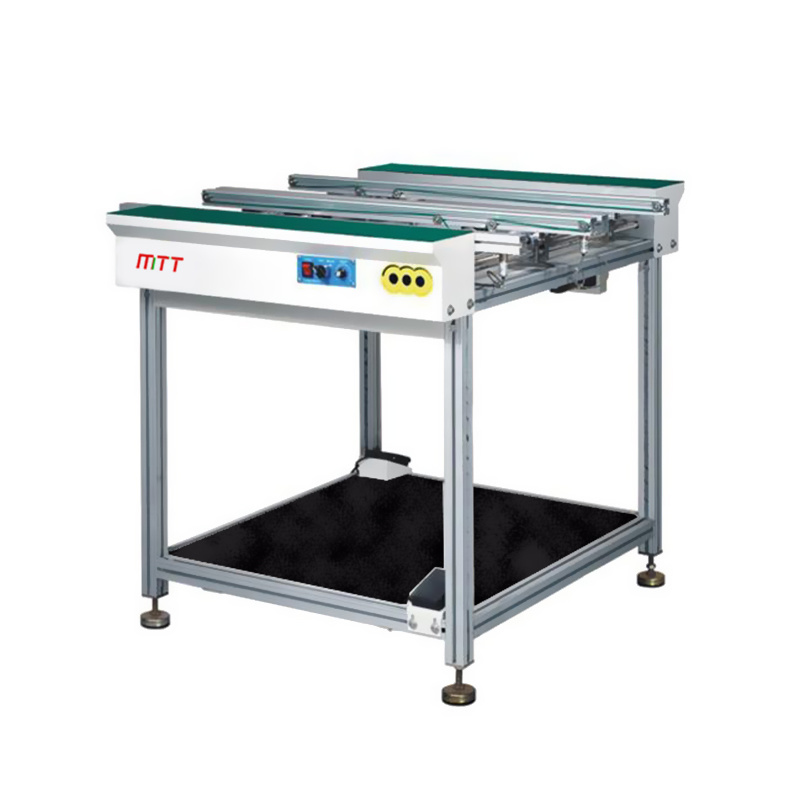
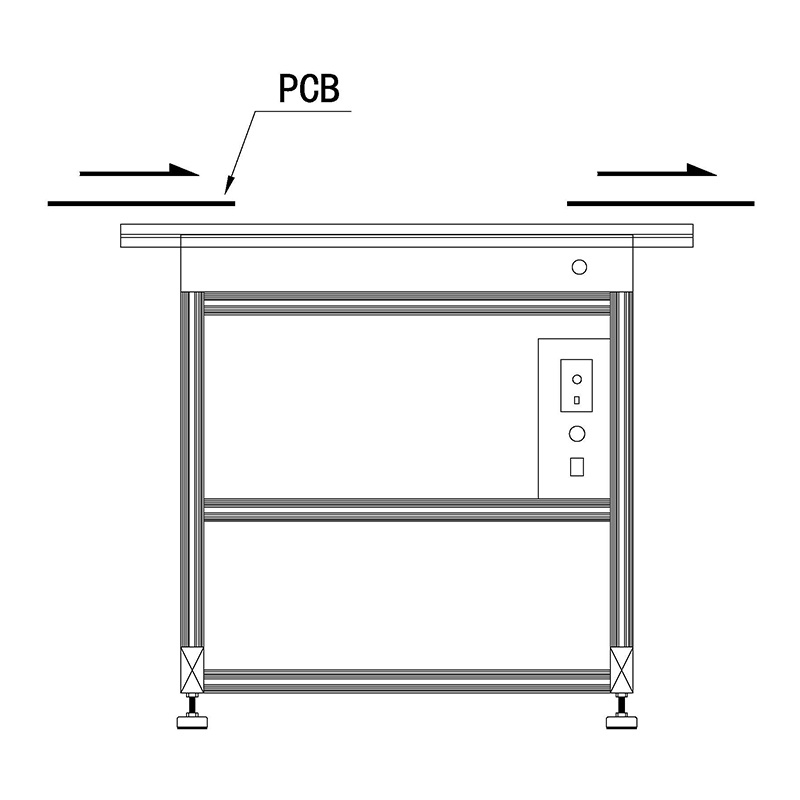
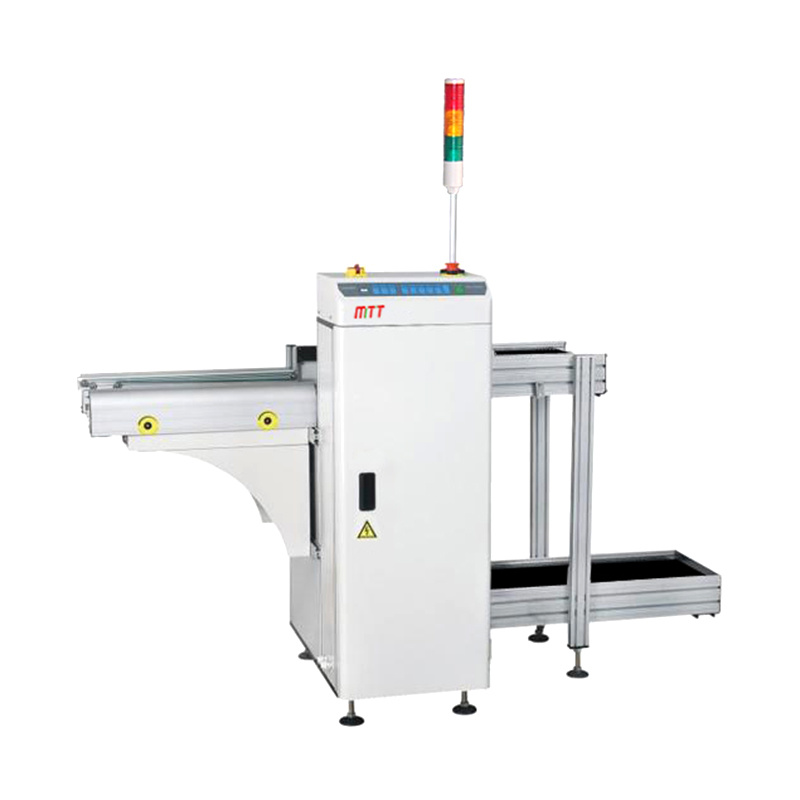
In the realm of industrial equipment and components, particularly in chain and conveyor systems, SMT transfer conveyors have emerged as a pivotal technology to enhance operational efficiency. SMT, or Surface Mount Technology, is commonly associated with the electronics industry, where precision and speed are critical. Transfer conveyors designed for SMT applications serve to facilitate the movement of components and products through various stages of production, ensuring a seamless workflow.
One of the primary advantages of SMT transfer conveyors is their ability to maintain a consistent flow of materials. This steady movement reduces bottlenecks and minimizes downtime, which is crucial in high-volume production environments. With the integration of SMT transfer conveyors, manufacturers can achieve greater throughput, allowing for an increase in overall productivity.
These conveyors are typically designed to accommodate various sizes and types of components, making them highly versatile. They can be outfitted with adjustable speed settings and multiple configurations, enabling customization to fit specific production needs. Additionally, SMT transfer conveyors often feature advanced sensors and control systems that allow for real-time monitoring. This capability helps in identifying potential issues before they escalate, thus maintaining the integrity of the production line.
Another significant benefit of SMT transfer conveyors lies in their ability to enhance workplace safety. By automating the transfer of materials, the reliance on manual handling is greatly reduced, which subsequently minimizes the risk of workplace accidents. Furthermore, these conveyors are often designed with safety features such as emergency stop buttons and guards to protect operators.
The construction of SMT transfer conveyors typically utilizes durable materials that can withstand the rigors of daily operations. This durability not only extends the lifespan of the equipment but also reduces maintenance costs over time. Manufacturers can select from a range of materials and finishes to suit their specific environments, whether they are dealing with clean rooms or more industrial settings.
In conclusion, SMT transfer conveyors play a crucial role in modern industrial applications, especially within the electronics sector. Their ability to increase efficiency, enhance safety, and provide flexibility in manufacturing processes makes them an invaluable asset. By investing in SMT transfer conveyors, businesses can streamline their operations, reduce costs, and ultimately improve their bottom line. As industries continue to evolve, the demand for advanced conveyor systems will remain critical in achieving operational excellence.
One of the primary advantages of SMT transfer conveyors is their ability to maintain a consistent flow of materials. This steady movement reduces bottlenecks and minimizes downtime, which is crucial in high-volume production environments. With the integration of SMT transfer conveyors, manufacturers can achieve greater throughput, allowing for an increase in overall productivity.
These conveyors are typically designed to accommodate various sizes and types of components, making them highly versatile. They can be outfitted with adjustable speed settings and multiple configurations, enabling customization to fit specific production needs. Additionally, SMT transfer conveyors often feature advanced sensors and control systems that allow for real-time monitoring. This capability helps in identifying potential issues before they escalate, thus maintaining the integrity of the production line.
Another significant benefit of SMT transfer conveyors lies in their ability to enhance workplace safety. By automating the transfer of materials, the reliance on manual handling is greatly reduced, which subsequently minimizes the risk of workplace accidents. Furthermore, these conveyors are often designed with safety features such as emergency stop buttons and guards to protect operators.
The construction of SMT transfer conveyors typically utilizes durable materials that can withstand the rigors of daily operations. This durability not only extends the lifespan of the equipment but also reduces maintenance costs over time. Manufacturers can select from a range of materials and finishes to suit their specific environments, whether they are dealing with clean rooms or more industrial settings.
In conclusion, SMT transfer conveyors play a crucial role in modern industrial applications, especially within the electronics sector. Their ability to increase efficiency, enhance safety, and provide flexibility in manufacturing processes makes them an invaluable asset. By investing in SMT transfer conveyors, businesses can streamline their operations, reduce costs, and ultimately improve their bottom line. As industries continue to evolve, the demand for advanced conveyor systems will remain critical in achieving operational excellence.
Related News