

Understanding the Importance of SMT Board Transport in Manufacturing: A Comprehensive Guide


2026-01-14
Understanding the Importance of SMT Board Transport in Manufacturing
Table of Contents
- Introduction to SMT Board Transport
- What is SMT Board Transport?
- The Role of SMT (Surface Mount Technology) in Manufacturing
- Importance of SMT Board Transport Systems
- Types of SMT Board Transport Systems
- Choosing the Right SMT Board Transport System
- Best Practices for SMT Board Transport
- Challenges in SMT Board Transport
- The Future of SMT Board Transport in Manufacturing
- Frequently Asked Questions
- Conclusion
Introduction to SMT Board Transport
In the rapidly evolving landscape of manufacturing, the efficiency and reliability of SMT (Surface Mount Technology) board transport systems play a pivotal role in ensuring that production lines operate smoothly. As manufacturers strive for improved productivity and quality, understanding the significance of these transport systems becomes crucial. This article delves into the intricacies of SMT board transport, examining its various components, benefits, and the future trends shaping this essential aspect of modern manufacturing.
What is SMT Board Transport?
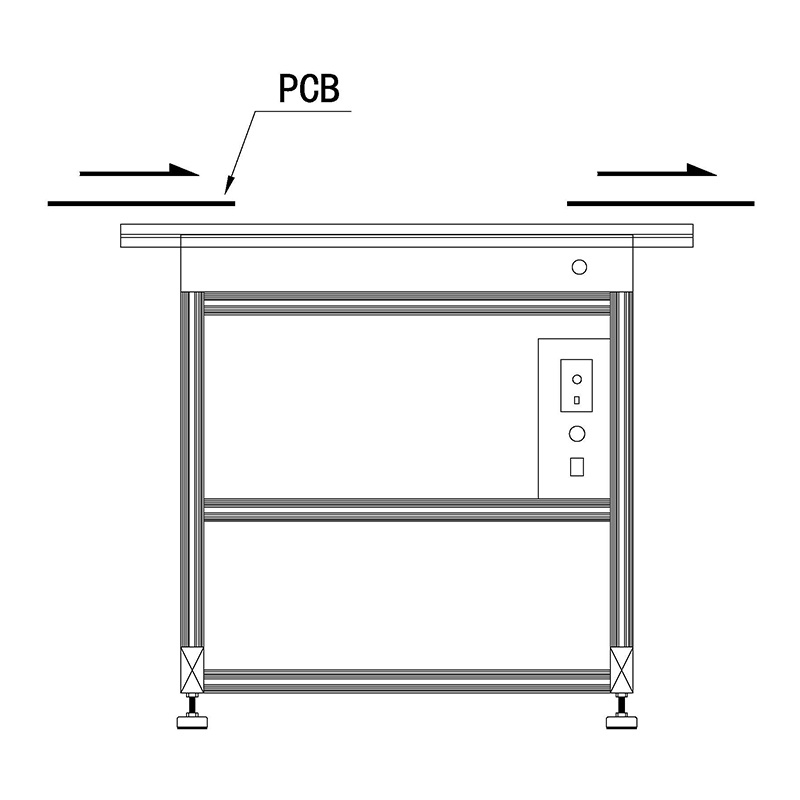
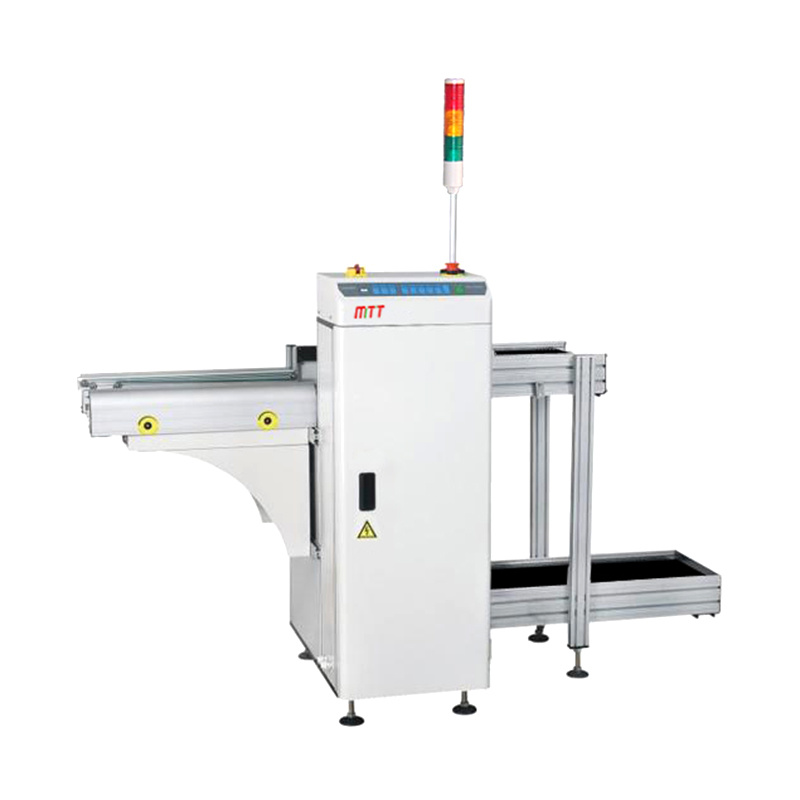
SMT board transport refers to the systems and processes used to move printed circuit boards (PCBs) through various stages of the manufacturing process. These systems play a critical role in handling PCBs from the moment they are assembled to the point they are tested and packaged. The transport systems can include conveyors, automated guided vehicles (AGVs), and various handling equipment designed to ensure the safe and efficient movement of PCBs.
The Functionality of SMT Board Transport
The primary function of SMT board transport is to facilitate the seamless movement of boards between different manufacturing processes, including soldering, inspection, and testing. Given that PCBs can be delicate and sensitive, the transport mechanisms must be designed to minimize physical damage, reduce handling time, and optimize workflow.
The Role of SMT (Surface Mount Technology) in Manufacturing
Surface Mount Technology (SMT) is a widely used method for producing electronic circuits. Unlike traditional through-hole technology, SMT allows components to be mounted directly onto the surface of PCBs, resulting in smaller, more efficient designs. The importance of SMT extends beyond the assembly process; it encompasses the entire manufacturing flow, where efficient transport systems become critical.
Benefits of SMT in Manufacturing
1. **Enhanced Density**: SMT enables the placement of more components in a smaller area, optimizing PCB space.
2. **Improved Performance**: The reduced length of electrical connections enhances performance and reliability.
3. **Cost-Effectiveness**: By streamlining the manufacturing process, SMT can significantly lower production costs.
Importance of SMT Board Transport Systems
The efficiency of SMT board transport systems has a direct correlation with the overall productivity of the manufacturing process. Effective transport systems can lead to:
1. **Reduced Lead Times**: Faster movement of boards through the manufacturing stages decreases overall lead times, allowing manufacturers to respond more quickly to market demands.
2. **Minimized Downtime**: Reliable transport systems help reduce machine downtime by ensuring that materials are consistently available when needed.
3. **Improved Quality**: By minimizing human interaction during the transport phase, the risk of errors and damage to sensitive components is significantly reduced.
Types of SMT Board Transport Systems
Understanding the different types of SMT board transport systems is essential for optimizing manufacturing processes. Here are the primary types:
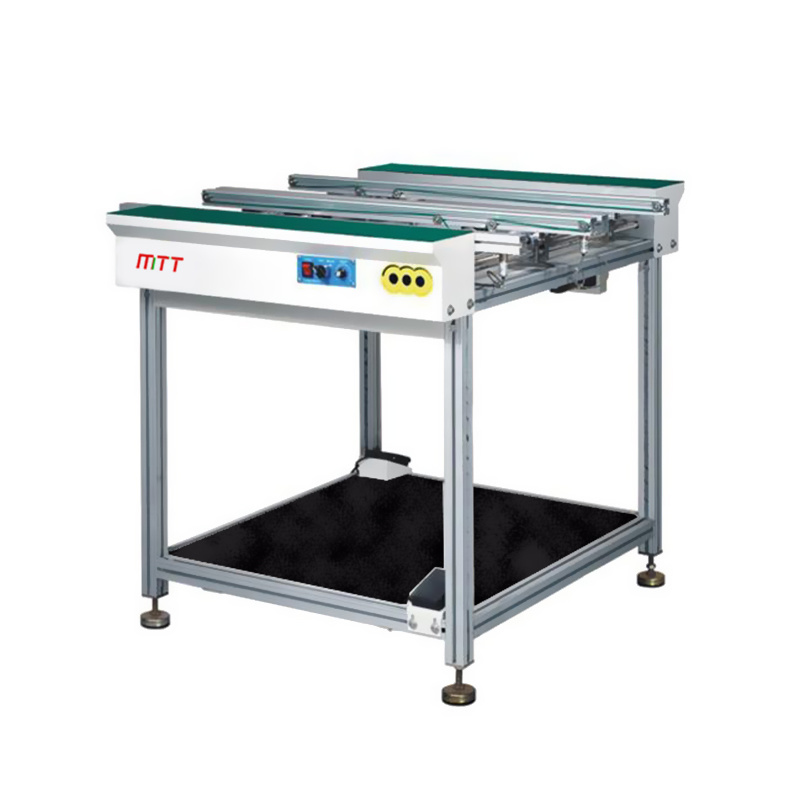
1. Conveyor Systems
Conveyor systems are commonly used for moving PCBs through various manufacturing stages. They can be configured in multiple ways, including straight-line, curved, or spiral designs, allowing for flexibility in factory layouts.
2. Automated Guided Vehicles (AGVs)
AGVs are robotic systems that transport materials throughout the manufacturing facility. They can navigate autonomously, adapting to changes in workflow while ensuring the safe handling of components.
3. Manual Handling Equipment
While automation is on the rise, manual handling equipment such as trolleys and carts are still used, especially in smaller facilities or for specific tasks that require human oversight.
4. Batch Processing Systems
Batch processing involves grouping multiple boards together for transport, optimizing efficiency and reducing transport time.
Choosing the Right SMT Board Transport System
Selecting the appropriate SMT board transport system is crucial to maximizing efficiency and ensuring the smooth operation of manufacturing processes. Factors to consider include:
1. Production Volume
High-volume production may necessitate more automated solutions, while low-volume operations may benefit from manual handling systems.
2. Floor Space
Evaluate the available floor space and consider the layout of your production facility when selecting a transport system.
3. Board Specifications
Different types of PCBs may require specific transport solutions to accommodate their size, weight, and fragility.
4. Integration with Existing Systems
Ensure that the chosen transport system can easily integrate with existing manufacturing equipment and processes.
Best Practices for SMT Board Transport
Implementing best practices for SMT board transport can significantly enhance operational efficiency. Here are some key guidelines:
1. Regular Maintenance
Conducting routine maintenance on transport systems ensures reliability and reduces the risk of breakdowns.
2. Employee Training
Investing in training for employees involved in the transport process can improve efficiency and reduce errors.
3. Monitoring and Optimization
Utilize data analytics to monitor transport system performance and make necessary adjustments for optimization.
4. Safety Protocols
Establishing safety protocols for handling and transporting sensitive components is vital to maintaining product quality.
Challenges in SMT Board Transport
Despite advancements in technology, several challenges persist in SMT board transport:
1. Damage During Transport
Physical damage to PCBs can occur during transport if systems are not designed for careful handling.
2. Bottlenecks in Production
Inefficient transport systems can create bottlenecks, leading to downtime and reduced productivity.
3. High Initial Investment
Automated transport systems can require a significant initial investment, which may deter smaller manufacturers from upgrading.
The Future of SMT Board Transport in Manufacturing
As technology advances, the future of SMT board transport looks promising. Innovations in automation, IoT integration, and artificial intelligence are paving the way for smarter, more efficient transport systems. The incorporation of real-time data and analytics will enable manufacturers to optimize transport processes further, leading to improved quality and productivity.
Frequently Asked Questions
1. What is the difference between manual and automated SMT board transport systems?
Manual systems involve human intervention for transporting PCBs, while automated systems utilize robotics and conveyor technology for seamless transport.
2. How can I reduce the risk of PCB damage during transport?
Implementing careful handling procedures, investing in appropriate transport systems, and conducting regular maintenance can minimize the risk of damage.
3. What factors should I consider when choosing an SMT board transport system?
Consider production volume, floor space, board specifications, and integration with existing systems when selecting a transport system.
4. Are there any cost-effective solutions for small manufacturers?
Small manufacturers may benefit from manual handling equipment or simple conveyor systems, which require lower initial investments compared to fully automated systems.
5. How can data analytics improve SMT board transport efficiency?
Data analytics can provide insights into transport system performance, enabling manufacturers to identify bottlenecks and optimize workflows accordingly.
Conclusion
In summary, SMT board transport is an integral component of manufacturing that significantly impacts productivity and quality. By understanding the various transport systems, their functions, and best practices, manufacturers can optimize their operations for enhanced efficiency. As technology continues to evolve, embracing new advancements will be key to staying competitive in the ever-changing manufacturing landscape. Investing in the right SMT board transport solutions can lead to improved workflows, reduced costs, and ultimately, greater success in the manufacturing sector.
Related News