

Understanding SMT Loading Machines: A Key Component in Modern Manufacturing Processes


2026-01-15
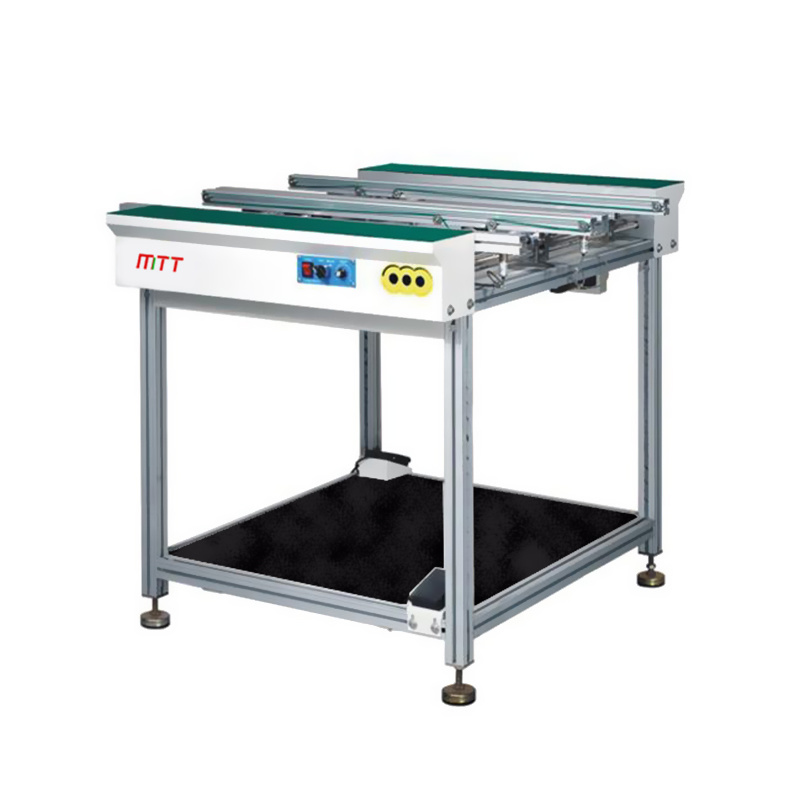
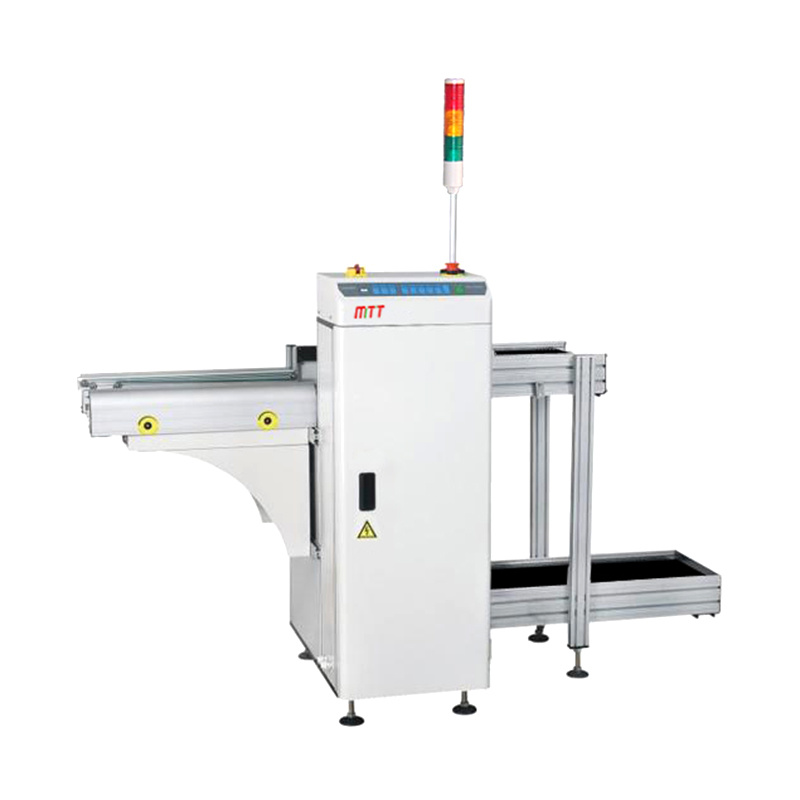
In the realm of industrial equipment and components, the SMT loading machine plays a crucial role, especially within the context of conveyor systems. SMT, which stands for Surface Mount Technology, refers to a method used for producing electronic circuits in which components are mounted or placed directly onto the surface of printed circuit boards (PCBs). The loading machines are essential for ensuring that components are accurately placed onto these boards during the manufacturing process.
One of the primary functions of the SMT loading machine is to facilitate the seamless and precise loading of electronic components onto the conveyor system. These machines are designed to handle a variety of components, ranging from small chips to larger capacitors, ensuring that they are positioned correctly for subsequent processing. The accuracy of placement is vital, as any misalignment can lead to significant production errors, potentially causing delays and increased costs.
Moreover, SMT loading machines are engineered for speed and efficiency. They can significantly reduce the cycle time in the production line, enabling manufacturers to meet tight deadlines and increase throughput. The incorporation of advanced technology, such as vision systems and automated adjustments, allows these machines to adapt to different component sizes and types without the need for extensive manual intervention, thereby enhancing operational flexibility.
Another key advantage of SMT loading machines is their contribution to maintaining a clean and organized workspace. As manufacturing environments strive for higher cleanliness standards, these machines are designed to minimize the risk of contamination. Automated loading reduces human handling, which not only enhances precision but also decreases the likelihood of damage to sensitive components.
Additionally, the integration of SMT loading machines into conveyor systems contributes to streamlined manufacturing processes. By facilitating the rapid and accurate loading of components, these machines minimize bottlenecks that can occur in production lines. This efficiency not only benefits manufacturing output but also aids in the overall management of resources, leading to more sustainable practices within the industrial sector.
In conclusion, SMT loading machines are indispensable in modern manufacturing, particularly in the context of conveyor systems. Their ability to enhance precision, speed, and cleanliness in the loading process makes them a vital asset for manufacturers aiming to optimize production efficiency. As industries continue to evolve, understanding and leveraging the capabilities of SMT loading machines will be essential for maintaining a competitive edge in the marketplace.
One of the primary functions of the SMT loading machine is to facilitate the seamless and precise loading of electronic components onto the conveyor system. These machines are designed to handle a variety of components, ranging from small chips to larger capacitors, ensuring that they are positioned correctly for subsequent processing. The accuracy of placement is vital, as any misalignment can lead to significant production errors, potentially causing delays and increased costs.
Moreover, SMT loading machines are engineered for speed and efficiency. They can significantly reduce the cycle time in the production line, enabling manufacturers to meet tight deadlines and increase throughput. The incorporation of advanced technology, such as vision systems and automated adjustments, allows these machines to adapt to different component sizes and types without the need for extensive manual intervention, thereby enhancing operational flexibility.
Another key advantage of SMT loading machines is their contribution to maintaining a clean and organized workspace. As manufacturing environments strive for higher cleanliness standards, these machines are designed to minimize the risk of contamination. Automated loading reduces human handling, which not only enhances precision but also decreases the likelihood of damage to sensitive components.
Additionally, the integration of SMT loading machines into conveyor systems contributes to streamlined manufacturing processes. By facilitating the rapid and accurate loading of components, these machines minimize bottlenecks that can occur in production lines. This efficiency not only benefits manufacturing output but also aids in the overall management of resources, leading to more sustainable practices within the industrial sector.
In conclusion, SMT loading machines are indispensable in modern manufacturing, particularly in the context of conveyor systems. Their ability to enhance precision, speed, and cleanliness in the loading process makes them a vital asset for manufacturers aiming to optimize production efficiency. As industries continue to evolve, understanding and leveraging the capabilities of SMT loading machines will be essential for maintaining a competitive edge in the marketplace.
Related News