

Understanding the Role of SMT Line Conveyors in Modern Manufacturing


2026-01-13
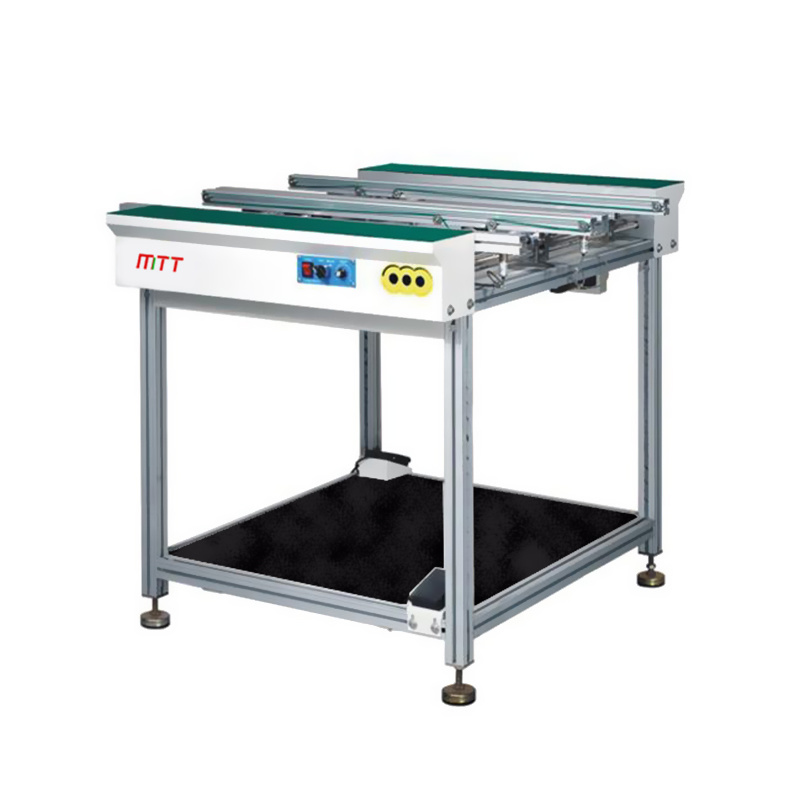
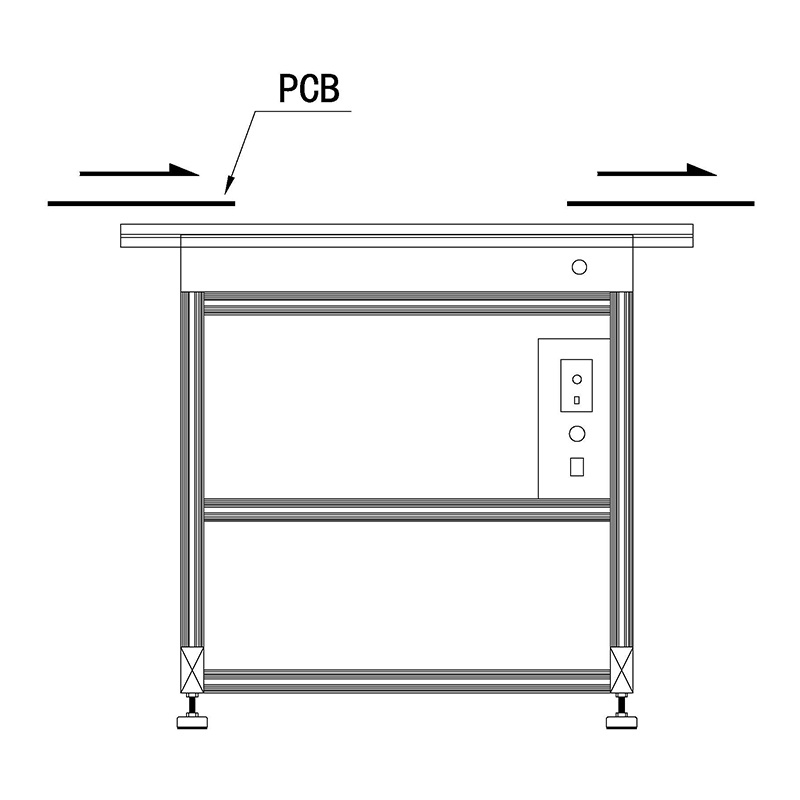
In the ever-evolving landscape of manufacturing, the SMT line conveyor plays a pivotal role in streamlining processes and improving efficiency. These conveyors are specifically designed to transport PCBs through various stages of the assembly line, ensuring that components are accurately placed and soldered onto the boards with precision.
One of the primary functions of SMT line conveyors is to provide a reliable and consistent method for moving PCBs between different machines and workstations. This continuous flow not only minimizes downtime but also maximizes production output. By utilizing SMT line conveyors, manufacturers can achieve higher throughput rates, which is essential in today’s competitive market.
Moreover, SMT line conveyors are designed to accommodate the unique requirements of electronic assembly. They often feature adjustable speeds and orientations, allowing manufacturers to customize the movement of PCBs based on specific production needs. This adaptability can significantly enhance the efficiency of the assembly process, as different products may require varied handling techniques.
In addition to their functional benefits, SMT line conveyors contribute to improved quality control within the manufacturing process. By ensuring that PCBs are transported smoothly and consistently, these conveyors reduce the risk of damage or misalignment during assembly. This aspect is particularly crucial in the electronics industry, where even the slightest deviation can lead to defects in the final product.
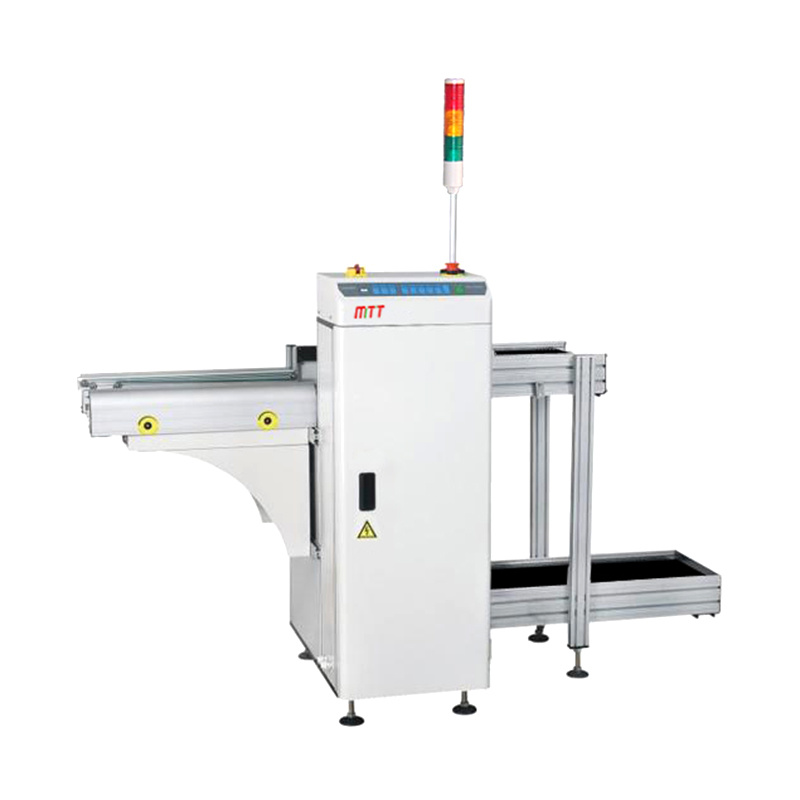
Another important consideration is the integration of SMT line conveyors with other automated systems. Many manufacturers are now adopting Industry 4.0 practices, which involve the use of smart technology and data analytics to optimize production. SMT line conveyors can be seamlessly connected to automated inspection systems and robotic arms, creating a fully integrated manufacturing environment. This connectivity allows for real-time monitoring and adjustments, further enhancing overall efficiency.
Furthermore, the design of SMT line conveyors is often focused on safety and ease of maintenance. Many models incorporate features that facilitate quick cleaning and servicing, ensuring that the equipment remains in optimal condition without significant downtime. This proactive approach to maintenance not only extends the lifespan of the conveyors but also minimizes disruptions in the production line.
In conclusion, SMT line conveyors are a vital component of modern manufacturing, particularly in the electronics sector. Their ability to enhance efficiency, improve quality control, and integrate with automated systems makes them indispensable in achieving operational excellence. Understanding the benefits and functionalities of SMT line conveyors can help professionals in the industrial equipment and component industry make informed decisions that propel their manufacturing processes forward.
One of the primary functions of SMT line conveyors is to provide a reliable and consistent method for moving PCBs between different machines and workstations. This continuous flow not only minimizes downtime but also maximizes production output. By utilizing SMT line conveyors, manufacturers can achieve higher throughput rates, which is essential in today’s competitive market.
Moreover, SMT line conveyors are designed to accommodate the unique requirements of electronic assembly. They often feature adjustable speeds and orientations, allowing manufacturers to customize the movement of PCBs based on specific production needs. This adaptability can significantly enhance the efficiency of the assembly process, as different products may require varied handling techniques.
In addition to their functional benefits, SMT line conveyors contribute to improved quality control within the manufacturing process. By ensuring that PCBs are transported smoothly and consistently, these conveyors reduce the risk of damage or misalignment during assembly. This aspect is particularly crucial in the electronics industry, where even the slightest deviation can lead to defects in the final product.
Another important consideration is the integration of SMT line conveyors with other automated systems. Many manufacturers are now adopting Industry 4.0 practices, which involve the use of smart technology and data analytics to optimize production. SMT line conveyors can be seamlessly connected to automated inspection systems and robotic arms, creating a fully integrated manufacturing environment. This connectivity allows for real-time monitoring and adjustments, further enhancing overall efficiency.
Furthermore, the design of SMT line conveyors is often focused on safety and ease of maintenance. Many models incorporate features that facilitate quick cleaning and servicing, ensuring that the equipment remains in optimal condition without significant downtime. This proactive approach to maintenance not only extends the lifespan of the conveyors but also minimizes disruptions in the production line.
In conclusion, SMT line conveyors are a vital component of modern manufacturing, particularly in the electronics sector. Their ability to enhance efficiency, improve quality control, and integrate with automated systems makes them indispensable in achieving operational excellence. Understanding the benefits and functionalities of SMT line conveyors can help professionals in the industrial equipment and component industry make informed decisions that propel their manufacturing processes forward.
Related News