

Enhancing Production Lines with Customizable SMT Production Conveyors


2026-08-05
Enhancing Production Lines with Customizable SMT Production Conveyors
Introduction to SMT Production Conveyors
In today's fast-paced manufacturing environment, the need for **flexibility and efficiency** is more critical than ever. **Surface Mount Technology (SMT)** production conveyors play a pivotal role in streamlining processes and enhancing productivity. These conveyors are not just essential components; they represent a **strategic investment** that can significantly improve the overall performance of production lines.
The Importance of Customization in SMT Production Conveyors
Customization is key to maximizing the effectiveness of SMT production conveyors. Each manufacturing facility has its unique requirements, and a one-size-fits-all approach often falls short. By tailoring conveyors to fit specific operational needs, manufacturers can achieve greater efficiency and adaptability.
Why Customizable Conveyors Are Essential
1. **Adaptability**: Customizable conveyors can be adjusted to accommodate various products and production processes. This allows for quick configuration changes, ensuring that the production line can meet evolving demands.
2. **Space Optimization**: Custom solutions can be designed to fit specific floor layouts, maximizing space usage while minimizing bottlenecks.
3. **Enhanced Performance**: Tailored conveyors can incorporate the latest technology, such as sensors and smart controls, to boost operational efficiency.
The Components of SMT Production Conveyors
Understanding the components of SMT production conveyors is vital for effective customization. Here are the primary elements that can be tailored:
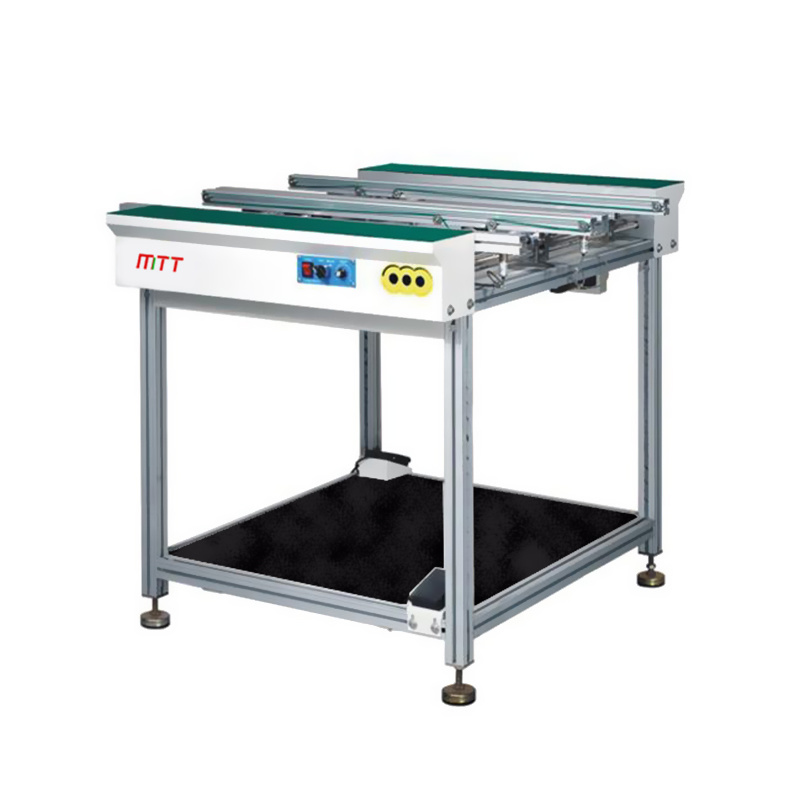
1. Conveyor Belts
The conveyor belt is the heart of any conveyor system. Custom belts can be designed with different materials and surface textures to suit specific products, ensuring optimal handling and transport.
2. Drive Systems
Drive systems can be customized for speed and torque, which is critical for maintaining the desired production pace. Options include electric, pneumatic, or hybrid systems tailored to the production line's needs.
3. Control Systems
Advanced control systems allow for real-time monitoring and adjustments. Customizable interfaces can provide operators with the necessary data to optimize performance continuously.
4. Accessories and Modular Components
Accessories such as sensors, sorters, and alignment guides can be added to enhance functionality. Modular components allow for easy reconfiguration and expansion of the conveyor system as production needs change.
Benefits of Custom SMT Production Conveyors
Investing in customizable SMT production conveyors offers numerous advantages that can significantly improve production efficiency:
1. Increased Throughput
Custom conveyors can be designed to minimize downtime and enhance speed, leading to increased throughput. This efficiency ensures that production targets are met consistently.
2. Improved Quality Control
With tailored conveyor systems, manufacturers can implement specific quality control measures. Integration of sensors and automated inspection systems helps identify defects early in the production process.
3. Cost-Effectiveness
While the initial investment in customizable conveyors may be higher, the long-term savings in labor, downtime, and operational efficiency often outweigh these costs. Increased output and reduced waste contribute to a healthier bottom line.
4. Enhanced Worker Safety
Custom conveyors can be designed with safety features that minimize risks associated with manual handling. Ergonomic designs and automated processes reduce the likelihood of workplace accidents.
5. Future-Proofing Operations
As market demands change, having a customizable conveyor system ensures that your production line remains relevant and adaptable. This future-proofing is essential for long-term sustainability.
Implementing Customizable SMT Production Conveyors
To successfully implement customizable SMT production conveyors, several critical steps must be followed:
1. Assessing Production Needs
Before selecting or designing a conveyor system, it's imperative to conduct a thorough assessment of production needs. This involves analyzing current workflows, products, and volume requirements.
2. Collaborating with Experts
Working with conveyor system experts can provide valuable insights into the best configurations for your specific requirements. Engineers can recommend designs that optimize performance based on experience and industry standards.
3. Prototyping and Testing
Before full-scale implementation, creating prototypes allows for testing and adjustments. This phase is crucial for identifying potential issues and refining the design to meet operational goals.
4. Training and Integration
Once the conveyor system is installed, training staff on its operation and maintenance is essential. Proper integration into existing workflows will ensure a smooth transition and minimize disruptions.
Choosing the Right Manufacturer for Custom Conveyors
Selecting a reliable manufacturer for customizable SMT production conveyors is vital to achieving optimal results. Here are key factors to consider:
1. Industry Experience
Look for manufacturers with extensive experience in producing SMT conveyors. Their knowledge of industry-specific needs and challenges will enhance the quality of their solutions.
2. Customization Capabilities
Evaluate the manufacturer's ability to provide tailored solutions. They should offer a range of options for materials, designs, and technologies to meet diverse production requirements.
3. References and Case Studies
Reviewing testimonials and case studies can provide insights into the manufacturer's track record. Successful projects and satisfied clients are indicators of reliability and expertise.
4. Support and Maintenance Services
Choose a manufacturer that offers robust support and maintenance services. Ongoing support is crucial for the longevity and performance of your conveyor system.
FAQs about Custom SMT Production Conveyors
1. What are SMT production conveyors?
SMT production conveyors are specialized systems designed to transport components in surface mount technology manufacturing processes, enhancing efficiency and productivity.
2. How do customizable conveyors benefit my production line?
They allow for tailored solutions that meet specific operational needs, maximizing efficiency, adaptability, and overall performance.
3. What factors should I consider when customizing a conveyor system?
Key factors include production volume, product types, floor layout, and the desired level of automation and monitoring.
4. How can I ensure the quality of my custom conveyor system?
Work with experienced manufacturers, conduct thorough testing, and implement quality control measures throughout the production process.
5. Are customizable conveyors cost-effective in the long run?
Despite a higher initial investment, the increased efficiency, reduced labor costs, and improved output typically result in significant long-term savings.
Conclusion
Customizable SMT production conveyors are essential for modern manufacturing, offering unparalleled flexibility and efficiency. By tailoring these systems to meet specific operational needs, manufacturers can significantly enhance their production capabilities. Increased throughput, improved quality control, and greater worker safety are just a few of the benefits that come with investing in custom conveyor solutions. As the manufacturing landscape continues to evolve, staying ahead with customizable conveyors will ensure you remain competitive, adaptable, and prepared for the future.
Related News