

Understanding SMT Conveyors: A Key Component in Modern Manufacturing


2026-07-31
---
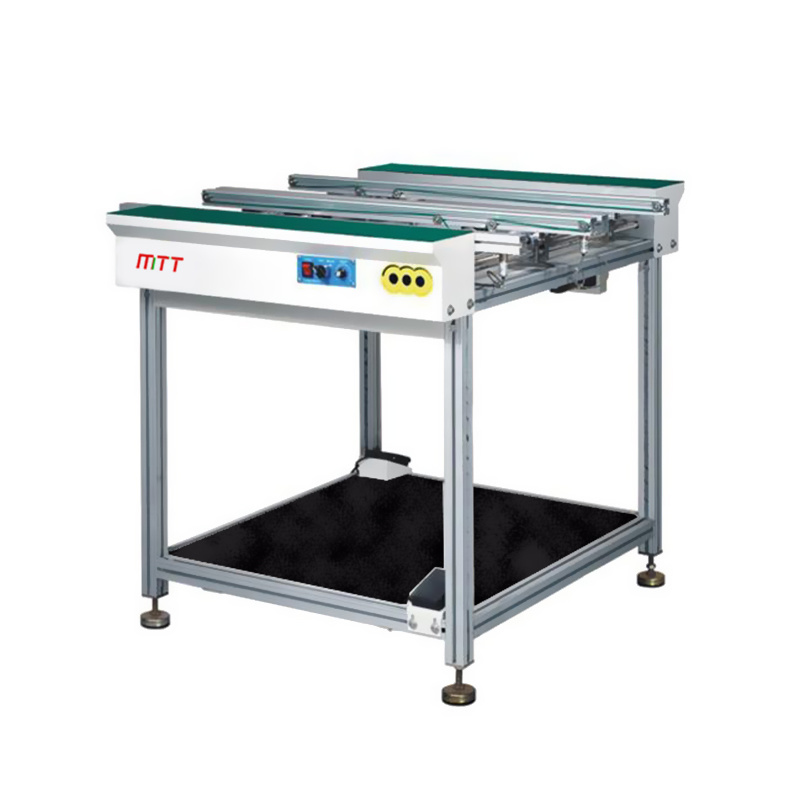
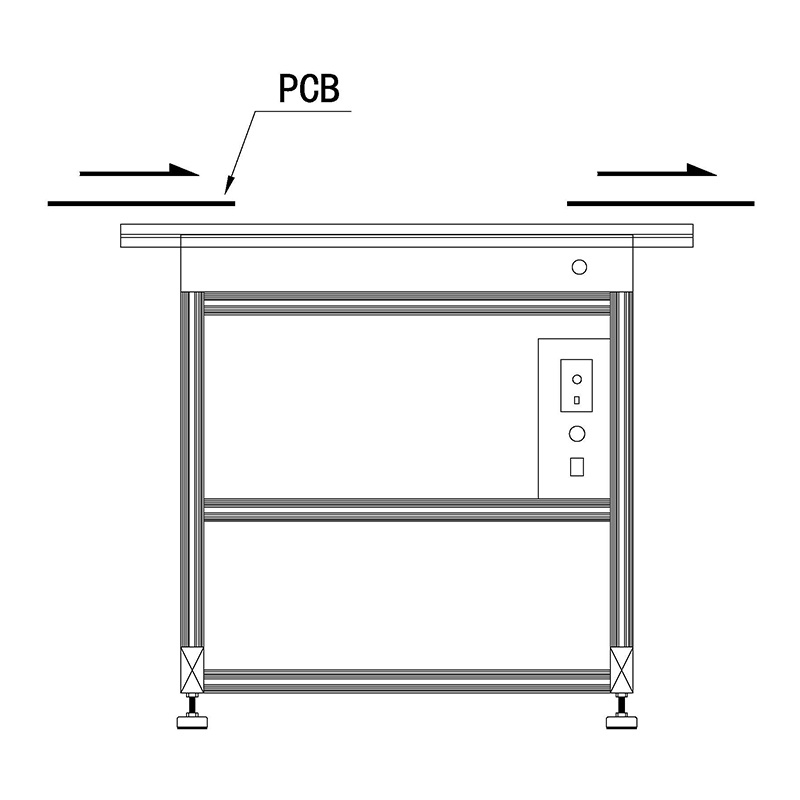
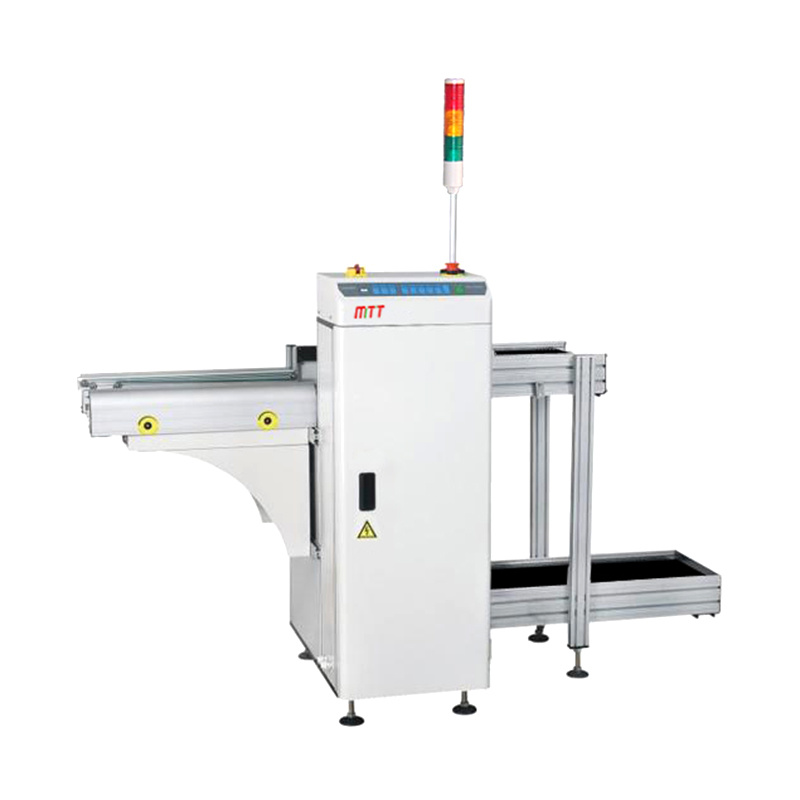
SMT (Surface Mount Technology) conveyors are integral components in modern manufacturing environments, particularly in the electronics sector. They facilitate the efficient transportation of PCBs (Printed Circuit Boards) through various assembly processes, ensuring that components are placed accurately and swiftly. Understanding the functionality and advantages of SMT conveyors can significantly enhance operational efficiency.
One of the primary functions of SMT conveyors is to provide a controlled pathway for assemblies, ensuring that they move seamlessly from one workstation to another. This is crucial for maintaining an uninterrupted workflow, which minimizes downtime and maximizes productivity. The design of an SMT conveyor allows for adjustable speeds, accommodating different production rates and ensuring that components are kept at optimal handling speeds to prevent damage.
SMT conveyors are typically equipped with advanced features that further enhance their performance. Many models include integrated inspection systems that allow for real-time quality control. This capability ensures that any defects can be identified and addressed immediately, reducing the risk of faulty products reaching the market. Additionally, these conveyors can be programmed for specific tasks, making them highly versatile and adaptable to varying production needs.
Another significant advantage of SMT conveyors is their ability to minimize manual handling. By automating the transport of components, manufacturers can reduce labor costs and enhance workplace safety. Employees are less likely to be exposed to repetitive strain injuries associated with manual lifting and carrying. This shift not only improves employee well-being but also contributes to a more efficient production process.
In terms of design, SMT conveyors are often modular, allowing for easy integration into existing production lines. This flexibility means that companies can expand or modify their systems based on changing production demands without requiring a complete overhaul of their conveyor setup. Such adaptability is essential in today’s fast-paced manufacturing environment, where rapid changes in technology and market needs are commonplace.
Moreover, the maintenance of SMT conveyors is generally straightforward, with many models designed for easy access to key components. Regular maintenance ensures that the conveyor operates at peak performance, reducing the likelihood of breakdowns that could disrupt production schedules.
In conclusion, SMT conveyors play a pivotal role in enhancing the efficiency and reliability of manufacturing operations. By automating the transport of components, these systems not only improve workflow but also contribute to superior product quality and reduced operational costs. Investing in a well-designed SMT conveyor system can be a game-changer for manufacturers looking to optimize their production processes and stay competitive in the industry.
SMT (Surface Mount Technology) conveyors are integral components in modern manufacturing environments, particularly in the electronics sector. They facilitate the efficient transportation of PCBs (Printed Circuit Boards) through various assembly processes, ensuring that components are placed accurately and swiftly. Understanding the functionality and advantages of SMT conveyors can significantly enhance operational efficiency.
One of the primary functions of SMT conveyors is to provide a controlled pathway for assemblies, ensuring that they move seamlessly from one workstation to another. This is crucial for maintaining an uninterrupted workflow, which minimizes downtime and maximizes productivity. The design of an SMT conveyor allows for adjustable speeds, accommodating different production rates and ensuring that components are kept at optimal handling speeds to prevent damage.
SMT conveyors are typically equipped with advanced features that further enhance their performance. Many models include integrated inspection systems that allow for real-time quality control. This capability ensures that any defects can be identified and addressed immediately, reducing the risk of faulty products reaching the market. Additionally, these conveyors can be programmed for specific tasks, making them highly versatile and adaptable to varying production needs.
Another significant advantage of SMT conveyors is their ability to minimize manual handling. By automating the transport of components, manufacturers can reduce labor costs and enhance workplace safety. Employees are less likely to be exposed to repetitive strain injuries associated with manual lifting and carrying. This shift not only improves employee well-being but also contributes to a more efficient production process.
In terms of design, SMT conveyors are often modular, allowing for easy integration into existing production lines. This flexibility means that companies can expand or modify their systems based on changing production demands without requiring a complete overhaul of their conveyor setup. Such adaptability is essential in today’s fast-paced manufacturing environment, where rapid changes in technology and market needs are commonplace.
Moreover, the maintenance of SMT conveyors is generally straightforward, with many models designed for easy access to key components. Regular maintenance ensures that the conveyor operates at peak performance, reducing the likelihood of breakdowns that could disrupt production schedules.
In conclusion, SMT conveyors play a pivotal role in enhancing the efficiency and reliability of manufacturing operations. By automating the transport of components, these systems not only improve workflow but also contribute to superior product quality and reduced operational costs. Investing in a well-designed SMT conveyor system can be a game-changer for manufacturers looking to optimize their production processes and stay competitive in the industry.
Related News