

The Essential Role of SMT Production Conveyors in Modern Manufacturing


2026-06-21
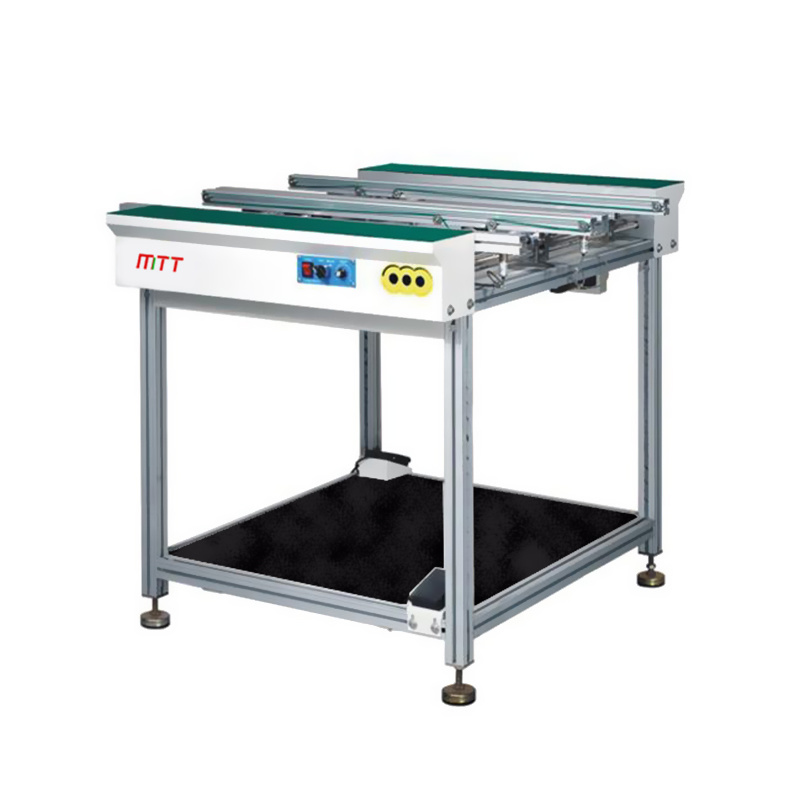
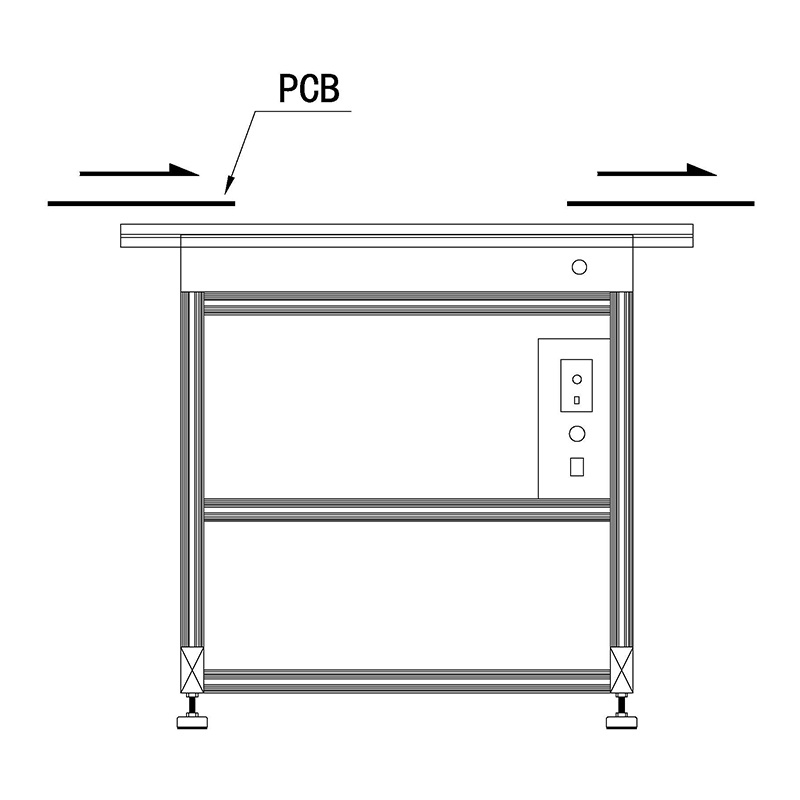
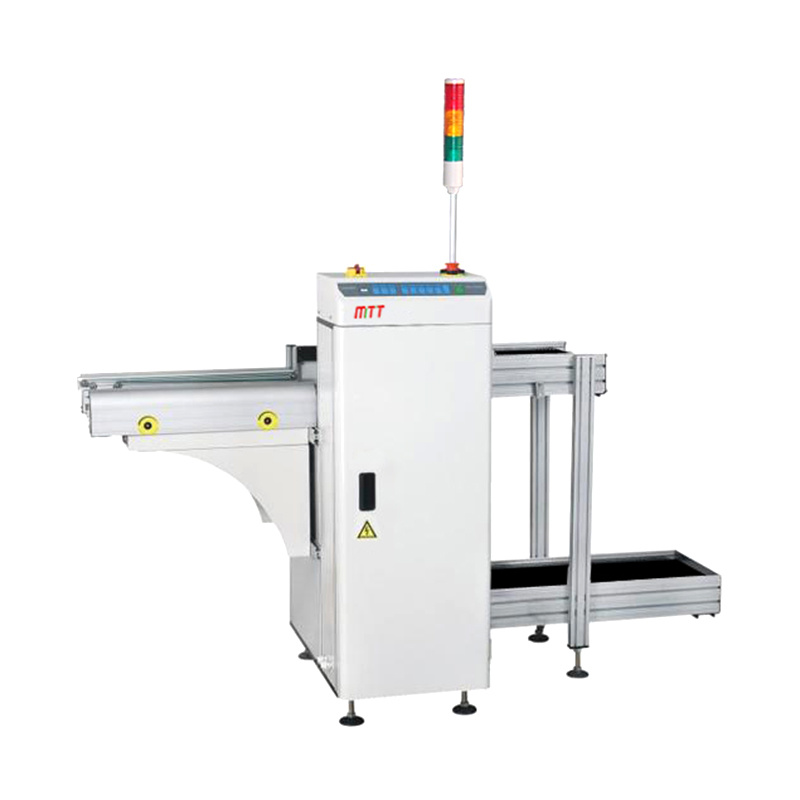
In the fast-paced world of electronics manufacturing, surface-mount technology (SMT) has become a cornerstone for producing compact and efficient devices. A critical component of SMT production lines is the SMT production conveyor, which plays a vital role in the seamless flow of materials through various stages of assembly. These conveyors are designed to handle the specific needs of SMT processes, ensuring that components are efficiently transported from one workstation to another while maintaining precision and reliability.
One of the primary advantages of SMT production conveyors is their ability to enhance workflow efficiency. By automating the movement of materials, these conveyors reduce the need for manual handling, which can lead to errors and delays. Moreover, they are designed to accommodate the unique requirements of SMT manufacturing, such as aligning components accurately and minimizing vibration, which can affect the quality of the final product.
SMT production conveyors come in various configurations, including modular systems that can be adjusted to fit the specific layout of a manufacturing facility. This flexibility allows companies to optimize their production lines according to the volume of work and the types of products being assembled. Additionally, many modern SMT conveyors are equipped with advanced features such as programmable controls and sensors that monitor the movement and position of materials, further enhancing operational efficiency.
Another important consideration in the design of SMT production conveyors is the capability to integrate with other processes within the manufacturing environment. This integration is essential for creating a cohesive production flow, allowing for real-time data sharing and coordination between different stages of assembly. By incorporating automated systems such as inspection and testing units along with the conveyor, manufacturers can significantly increase the quality of their output while reducing cycle times.
Furthermore, maintenance and longevity are key factors to consider when investing in SMT production conveyors. High-quality materials and innovative engineering ensure that these systems can withstand the rigors of continuous operation. Regular maintenance schedules and the availability of replacement parts can also play a significant role in extending the lifespan of the conveyors, thereby maximizing return on investment.
In summary, SMT production conveyors are indispensable tools in modern manufacturing environments, particularly in the electronics sector. Their ability to streamline processes, enhance precision, and integrate with various production stages makes them essential for achieving operational excellence. For professionals in the industrial equipment and component field, understanding the benefits and functionalities of these conveyors can lead to more informed decisions, ultimately driving productivity and quality in manufacturing processes.
One of the primary advantages of SMT production conveyors is their ability to enhance workflow efficiency. By automating the movement of materials, these conveyors reduce the need for manual handling, which can lead to errors and delays. Moreover, they are designed to accommodate the unique requirements of SMT manufacturing, such as aligning components accurately and minimizing vibration, which can affect the quality of the final product.
SMT production conveyors come in various configurations, including modular systems that can be adjusted to fit the specific layout of a manufacturing facility. This flexibility allows companies to optimize their production lines according to the volume of work and the types of products being assembled. Additionally, many modern SMT conveyors are equipped with advanced features such as programmable controls and sensors that monitor the movement and position of materials, further enhancing operational efficiency.
Another important consideration in the design of SMT production conveyors is the capability to integrate with other processes within the manufacturing environment. This integration is essential for creating a cohesive production flow, allowing for real-time data sharing and coordination between different stages of assembly. By incorporating automated systems such as inspection and testing units along with the conveyor, manufacturers can significantly increase the quality of their output while reducing cycle times.
Furthermore, maintenance and longevity are key factors to consider when investing in SMT production conveyors. High-quality materials and innovative engineering ensure that these systems can withstand the rigors of continuous operation. Regular maintenance schedules and the availability of replacement parts can also play a significant role in extending the lifespan of the conveyors, thereby maximizing return on investment.
In summary, SMT production conveyors are indispensable tools in modern manufacturing environments, particularly in the electronics sector. Their ability to streamline processes, enhance precision, and integrate with various production stages makes them essential for achieving operational excellence. For professionals in the industrial equipment and component field, understanding the benefits and functionalities of these conveyors can lead to more informed decisions, ultimately driving productivity and quality in manufacturing processes.
Related News