

A Beginner's Comprehensive Guide to SMT Conveyor Systems


2026-06-16
A Beginner's Comprehensive Guide to SMT Conveyor Systems
In the fast-paced world of electronics manufacturing, **Surface Mount Technology (SMT)** has revolutionized the way components are assembled on printed circuit boards (PCBs). At the heart of this process lies the **SMT conveyor system**, which plays a critical role in streamlining production and enhancing efficiency. This guide aims to provide a thorough understanding of SMT conveyor systems, discussing their components, types, benefits, and maintenance.
Table of Contents
- Understanding SMT Conveyor Systems
- Importance of SMT Conveyor Systems in Manufacturing
- Types of SMT Conveyor Systems
- Key Components of SMT Conveyor Systems
- Benefits of Using SMT Conveyor Systems
- Maintenance and Care for SMT Conveyor Systems
- Troubleshooting Common Issues with SMT Conveyor Systems
- Future of SMT Conveyor Systems
- Conclusion
- FAQs
Understanding SMT Conveyor Systems
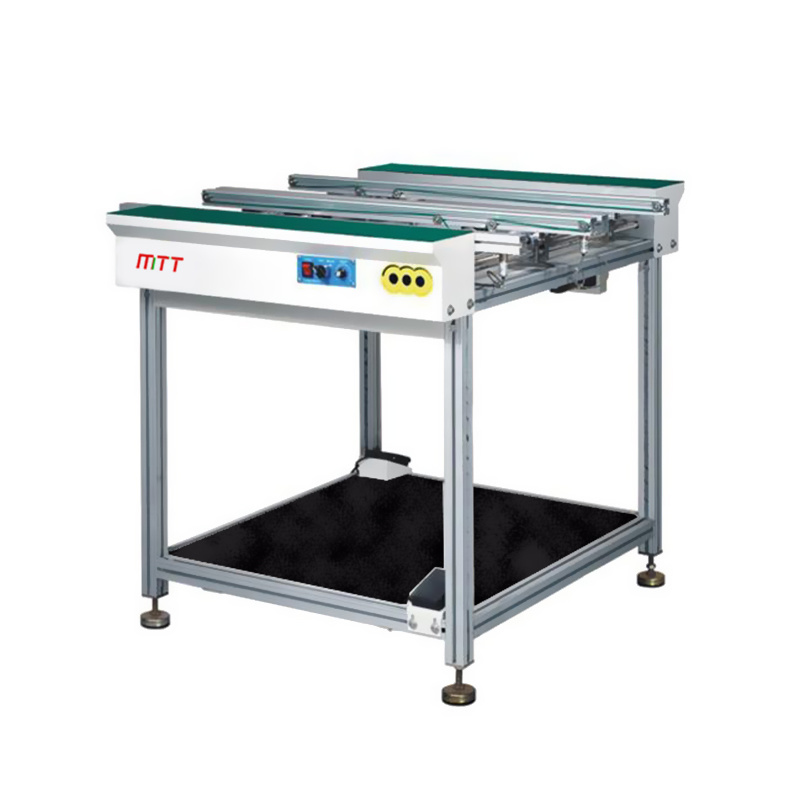
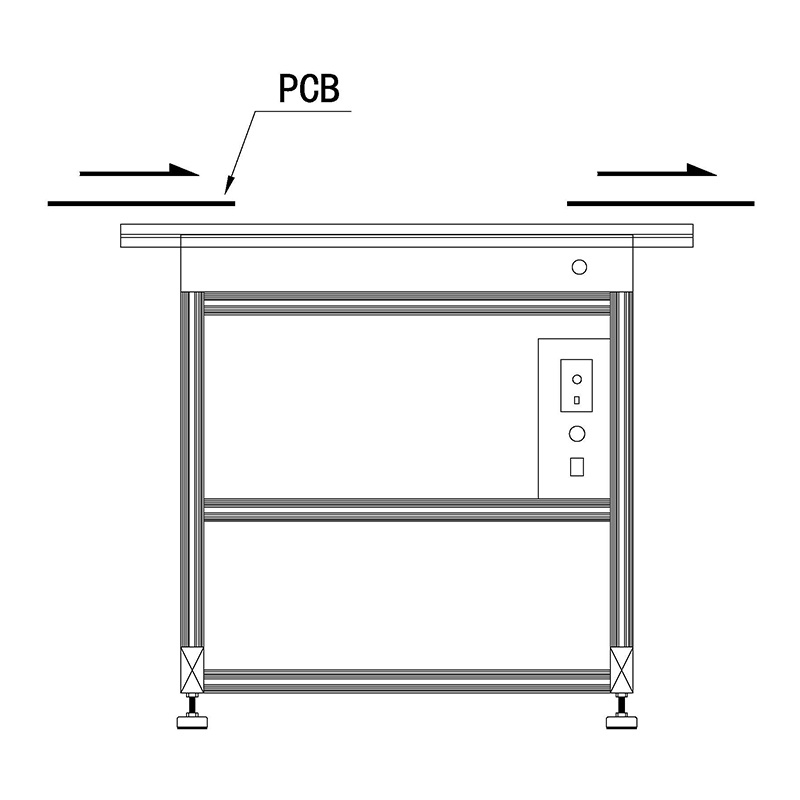
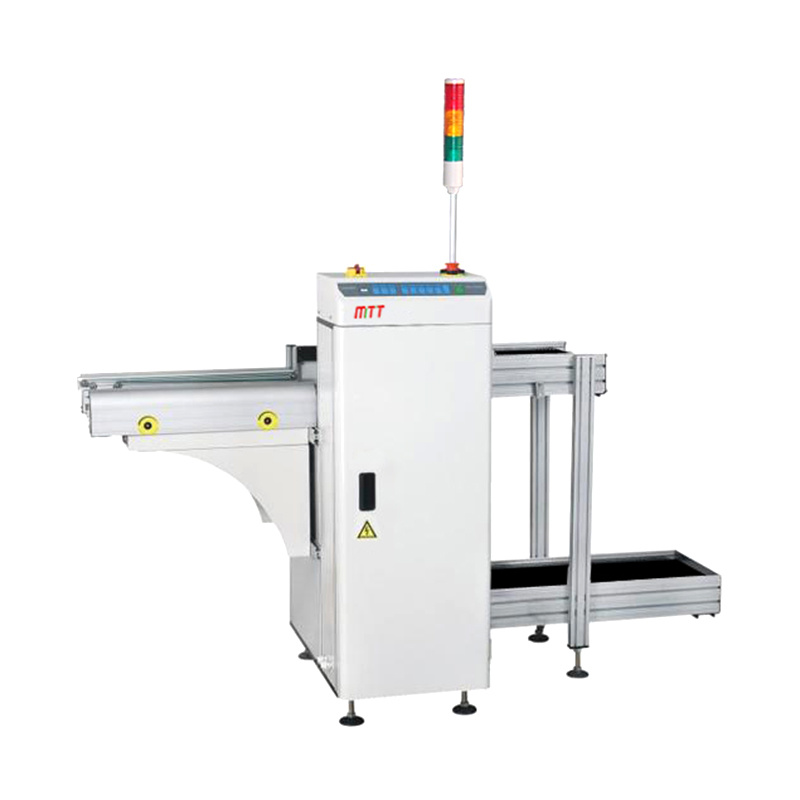
SMT conveyor systems are automated mechanisms that transport PCBs through various stages of the SMT assembly process, including **solder paste application**, **component placement**, and **reflow soldering**. These systems are designed to ensure a smooth and efficient flow of materials, ultimately leading to faster production times and higher quality outputs.
Importance of SMT Conveyor Systems in Manufacturing
The integration of SMT conveyor systems in manufacturing operations significantly enhances productivity. By automating the movement of PCBs, these systems reduce manual handling, which minimizes the risk of damage and contamination. They also enable precise control over the production line, allowing for better tracking of components and improved inventory management. Moreover, the use of SMT conveyor systems contributes to a safer workplace by reducing operator fatigue and minimizing ergonomic risks associated with manual material handling.
Types of SMT Conveyor Systems
Understanding the various types of SMT conveyor systems is essential for selecting the right one for your manufacturing needs. Here are the three primary types:
Fixed Conveyor Systems
Fixed conveyor systems are typically set in a permanent location and are used for high-volume production with a consistent workflow. These systems are designed for specific tasks and often feature a straight or inclined design. Fixed conveyors are often equipped with various types of belts, such as modular plastic belts or rubber belts, depending on the application.
Modular Conveyor Systems
Modular conveyor systems offer flexibility and adaptability. These systems consist of interchangeable sections that can be easily reconfigured to accommodate different production layouts. Modular systems are ideal for manufacturers that require versatility in their production processes, allowing for easy scalability as production demands change.
Multi-Level Conveyor Systems
For facilities with limited floor space, multi-level conveyor systems provide an effective solution for maximizing vertical space. These systems can transport materials on multiple levels, significantly increasing throughput while minimizing the footprint of the assembly line. They are often used in conjunction with automated guided vehicles (AGVs) for more complex operations.
Key Components of SMT Conveyor Systems
SMT conveyor systems consist of several crucial components that work together to ensure efficient operation:
- Belt or Track: The primary component responsible for moving PCBs through the assembly process. The choice of belt type affects the overall efficiency and reliability of the system.
- Drive Motor: Powers the movement of the conveyor belt. Depending on the system's design, motors can be located at various points along the conveyor.
- Controllers: Automated controllers regulate the speed and operation of the conveyor system, ensuring synchronized movement with other machinery in the production line.
- Supports and Frames: Provide structural integrity to the conveyor system, allowing it to handle the weight of the materials being transported.
- Sensors: Used for monitoring the position and speed of the PCBs, ensuring proper flow and identifying any potential issues that may arise.
Benefits of Using SMT Conveyor Systems
The implementation of SMT conveyor systems in manufacturing processes offers numerous benefits, including:
- Increased Efficiency: Automated conveyors streamline the production process, reducing the time taken for each operation and allowing for rapid turnaround.
- Consistency and Quality Control: Automated systems minimize human error, ensuring consistent placement and handling of components, which leads to higher quality outputs.
- Cost-Effectiveness: While the initial investment may be high, the long-term savings through increased productivity and reduced labor costs can outweigh the upfront costs.
- Improved Safety: By reducing manual handling, SMT conveyor systems can enhance workplace safety, lowering the risk of injuries associated with repetitive tasks.
- Scalability: The modular nature of some conveyor systems allows manufacturers to easily expand or alter their production lines in response to changing demands.
Maintenance and Care for SMT Conveyor Systems
Proper maintenance of SMT conveyor systems is essential for ensuring longevity and reliable performance. Regular inspection and care help prevent breakdowns and costly repairs. Here are some maintenance tips:
- Regular Cleaning: Dust and debris can interfere with the operation of conveyor systems. Schedule regular cleaning of belts, sensors, and motors to maintain optimal performance.
- Lubrication: Ensure that moving parts are adequately lubricated to reduce friction and wear, prolonging the lifespan of the components.
- Inspection: Regularly inspect belts for signs of wear, fraying, or damage. Early detection can prevent more significant issues down the line.
- Calibration: Ensure that sensors and controllers are calibrated according to the manufacturer's guidelines to maintain system accuracy and efficiency.
- Training: Train operators on proper handling and care of conveyor systems to reduce the risk of human error and damage.
Troubleshooting Common Issues with SMT Conveyor Systems
Even with proper maintenance, issues can arise with SMT conveyor systems. Understanding common problems and their solutions can help keep production running smoothly:
- Slipping Belts: This can occur due to improper tension or wear. Adjust the tension or replace the belt if necessary.
- Jamming: Often caused by debris or misaligned components. Regular cleaning and alignment checks can help prevent jamming.
- Uneven Speed: This may indicate a malfunctioning motor or controller. Inspect and replace faulty components as needed.
- Sensor Malfunctions: If sensors fail to detect PCBs correctly, inspect for dirt or damage and clean or replace as necessary.
Future of SMT Conveyor Systems
The future of SMT conveyor systems looks promising, with technological advancements shaping their evolution. Smart conveyors equipped with IoT capabilities are becoming increasingly common, allowing for real-time monitoring and data collection. This data can be leveraged to optimize production processes and predict maintenance needs. Moreover, the integration of AI and machine learning algorithms can facilitate predictive maintenance, reducing downtime and improving overall efficiency. As manufacturers continue to seek innovative solutions for enhanced productivity, SMT conveyor systems will undoubtedly play a central role in shaping the future of electronics assembly.
Conclusion
SMT conveyor systems are indispensable tools in the electronics manufacturing industry, offering enhanced efficiency, consistency, and safety. By understanding the different types, components, and maintenance needs of these systems, manufacturers can select the right solutions for their specific requirements. As technology continues to advance, staying informed about the latest innovations in SMT conveyor systems will be crucial for maintaining a competitive edge in the market.
FAQs
1. What is an SMT conveyor system?
An SMT conveyor system is an automated mechanism used to transport printed circuit boards through various stages of the surface mount technology assembly process.
2. What are the main types of SMT conveyor systems?
The main types of SMT conveyor systems include fixed conveyor systems, modular conveyor systems, and multi-level conveyor systems.
3. How do I maintain my SMT conveyor system?
Regular cleaning, lubrication, inspections, and calibration are essential for maintaining your SMT conveyor system's performance.
4. What are the benefits of using SMT conveyor systems?
Benefits include increased efficiency, improved quality control, cost-effectiveness, enhanced safety, and scalability in production.
5. What should I do if my conveyor system jams?
If your conveyor system jams, check for debris or misalignment, and address these issues accordingly. Regular maintenance can help prevent jamming.
Related News