

Exploring SMT Conveyors: Essential Insights for Industrial Applications


2026-04-14
---
In the realm of industrial equipment, particularly in chain and conveyor systems, SMT conveyors play a pivotal role in streamlining manufacturing processes. SMT, or Surface Mount Technology, is primarily associated with the electronic assembly industry, but the conveyor systems utilized in these applications are versatile and can be adapted for various manufacturing sectors.
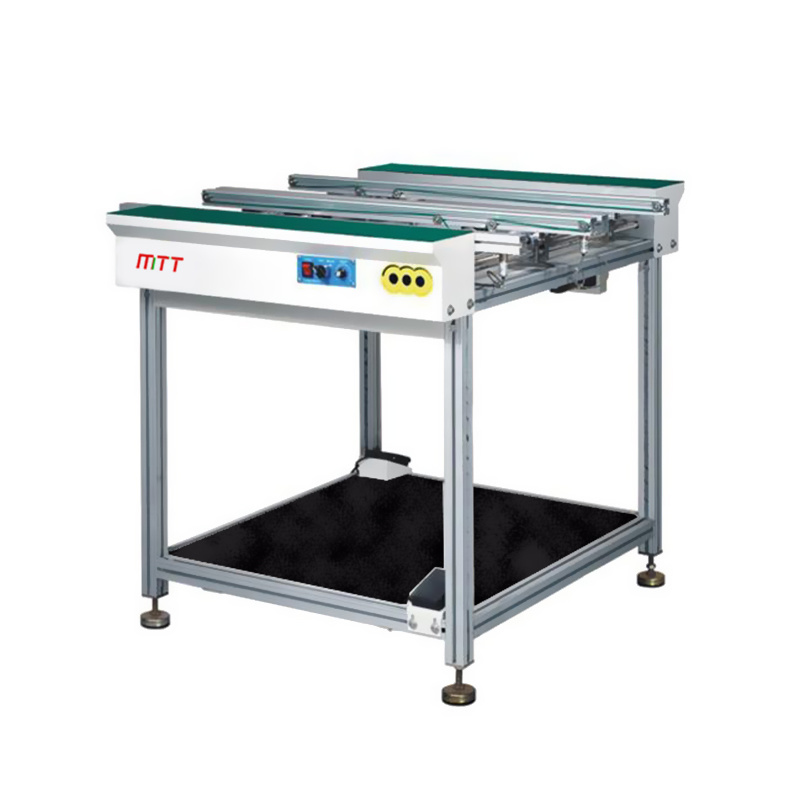
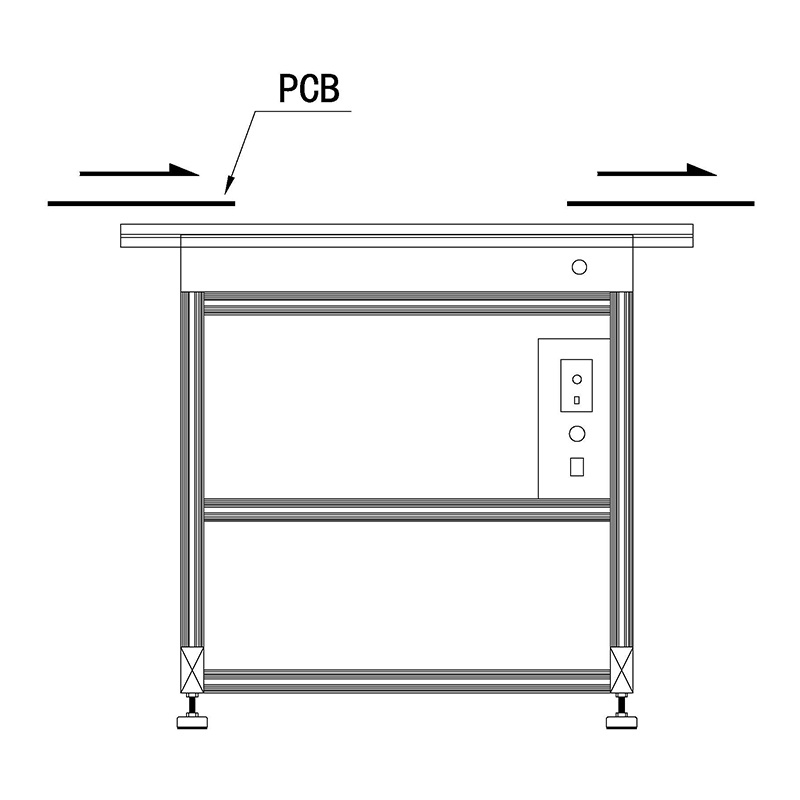
SMT conveyors are specifically designed to transport printed circuit boards (PCBs) and other components through assembly lines. Their design focuses on precision and efficiency, ensuring that materials are moved seamlessly from one station to another. This can significantly reduce production time and minimize the chance of errors during the assembly process.
One of the key advantages of SMT conveyors is their ability to integrate with automated systems. Many modern manufacturing environments rely on automation to maintain high levels of productivity. SMT conveyors can be easily incorporated into these systems, allowing for synchronized operations that enhance overall workflow. This integration not only boosts efficiency but also reduces labor costs by minimizing manual handling of components.
Another important aspect of SMT conveyors is their adaptability. These conveyors can be customized to fit various production layouts and can accommodate different sizes and types of components. This flexibility is crucial for manufacturers who may need to adjust their production lines to accommodate new products or changes in demand. Additionally, SMT conveyors often feature adjustable speeds, allowing operators to optimize the flow of materials according to specific production requirements.
Maintenance is also a significant consideration when utilizing SMT conveyors. Regular checks and upkeep are essential to ensure smooth operation and prevent downtime. Manufacturers should invest in training their staff on proper maintenance procedures to prolong the lifespan of these equipment. This includes regular cleaning, lubrication of moving parts, and timely replacement of worn components.
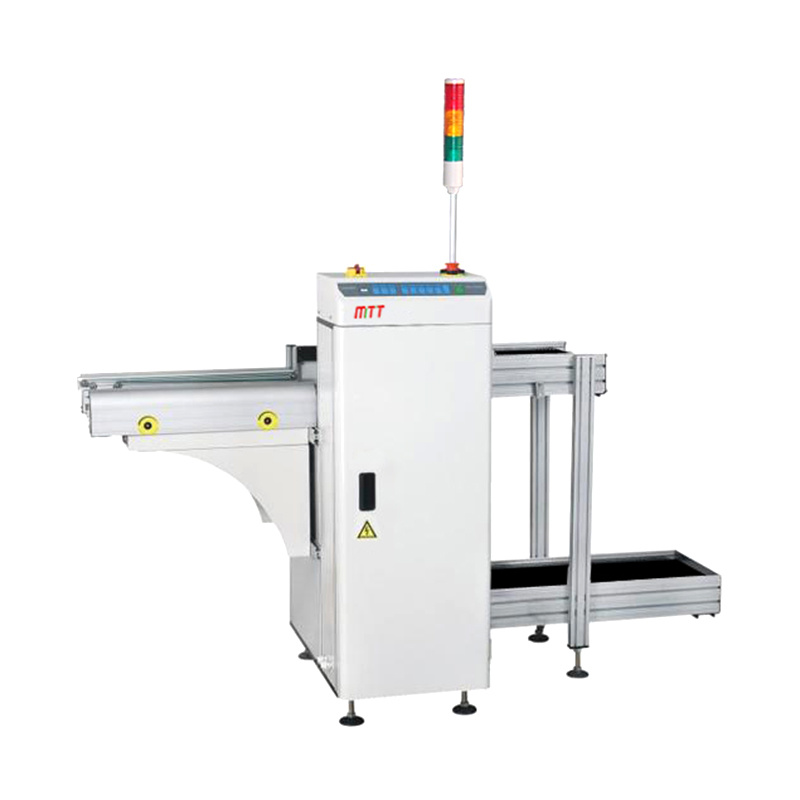
Furthermore, safety should never be overlooked in industrial settings. SMT conveyors come equipped with safety features such as emergency stop buttons, safety guards, and sensors to detect obstructions. Implementing these safety measures is vital to protect both equipment and personnel, ensuring a secure working environment.
In conclusion, SMT conveyors serve as a cornerstone in modern manufacturing, especially in industries that rely on precision assembly. Their ability to enhance efficiency, adaptability to various production environments, and incorporation into automated systems make them invaluable tools. By understanding the functionalities and best practices associated with SMT conveyors, businesses can optimize their operations and achieve better productivity outcomes. Whether you are looking to upgrade existing systems or considering new solutions, SMT conveyors offer the versatility and reliability needed for today’s competitive industrial landscape.
In the realm of industrial equipment, particularly in chain and conveyor systems, SMT conveyors play a pivotal role in streamlining manufacturing processes. SMT, or Surface Mount Technology, is primarily associated with the electronic assembly industry, but the conveyor systems utilized in these applications are versatile and can be adapted for various manufacturing sectors.
SMT conveyors are specifically designed to transport printed circuit boards (PCBs) and other components through assembly lines. Their design focuses on precision and efficiency, ensuring that materials are moved seamlessly from one station to another. This can significantly reduce production time and minimize the chance of errors during the assembly process.
One of the key advantages of SMT conveyors is their ability to integrate with automated systems. Many modern manufacturing environments rely on automation to maintain high levels of productivity. SMT conveyors can be easily incorporated into these systems, allowing for synchronized operations that enhance overall workflow. This integration not only boosts efficiency but also reduces labor costs by minimizing manual handling of components.
Another important aspect of SMT conveyors is their adaptability. These conveyors can be customized to fit various production layouts and can accommodate different sizes and types of components. This flexibility is crucial for manufacturers who may need to adjust their production lines to accommodate new products or changes in demand. Additionally, SMT conveyors often feature adjustable speeds, allowing operators to optimize the flow of materials according to specific production requirements.
Maintenance is also a significant consideration when utilizing SMT conveyors. Regular checks and upkeep are essential to ensure smooth operation and prevent downtime. Manufacturers should invest in training their staff on proper maintenance procedures to prolong the lifespan of these equipment. This includes regular cleaning, lubrication of moving parts, and timely replacement of worn components.
Furthermore, safety should never be overlooked in industrial settings. SMT conveyors come equipped with safety features such as emergency stop buttons, safety guards, and sensors to detect obstructions. Implementing these safety measures is vital to protect both equipment and personnel, ensuring a secure working environment.
In conclusion, SMT conveyors serve as a cornerstone in modern manufacturing, especially in industries that rely on precision assembly. Their ability to enhance efficiency, adaptability to various production environments, and incorporation into automated systems make them invaluable tools. By understanding the functionalities and best practices associated with SMT conveyors, businesses can optimize their operations and achieve better productivity outcomes. Whether you are looking to upgrade existing systems or considering new solutions, SMT conveyors offer the versatility and reliability needed for today’s competitive industrial landscape.
Related News