

Optimizing SMT Production Conveyors for Enhanced Efficiency in Industrial Applications


2026-03-29
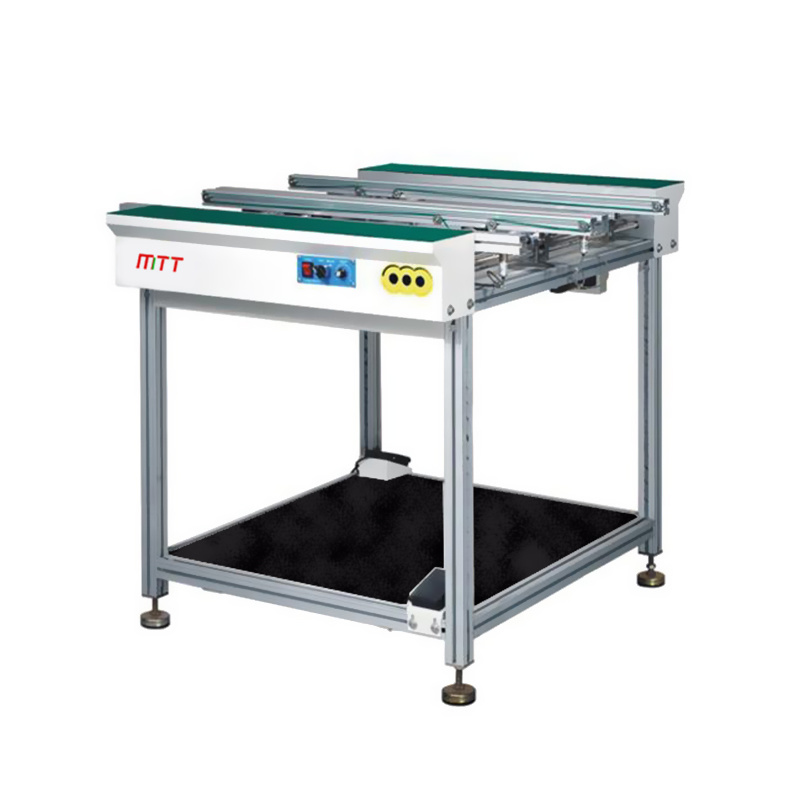
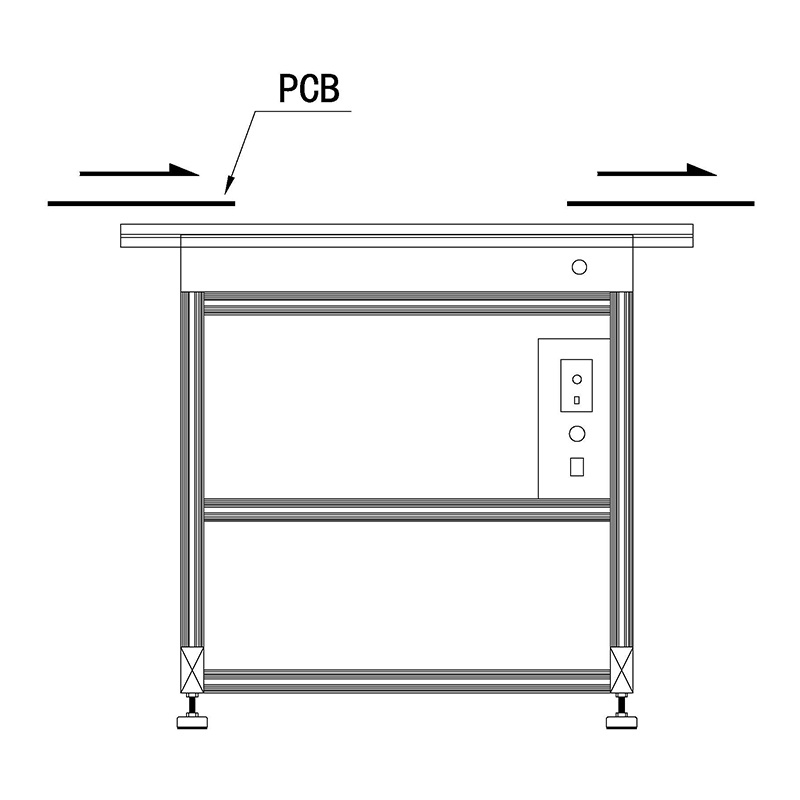
In the fast-paced world of industrial manufacturing, the efficiency of component assembly lines is paramount. One crucial aspect that significantly impacts productivity is the SMT (Surface Mount Technology) production conveyor. These conveyors are specifically designed to transport circuit boards and other electronic assemblies through various stages of the production process, ensuring smooth and efficient workflow.
SMT production conveyors are engineered to handle the specific requirements of electronic assembly, which often includes delicate components that need careful handling. These conveyors are typically equipped with features such as adjustable speeds, modular designs, and integrated automation systems, allowing manufacturers to tailor the equipment to their specific needs. The precise control of conveyor speed ensures that assemblies are moved at optimal rates, reducing the risk of damage to components while maintaining high throughput.
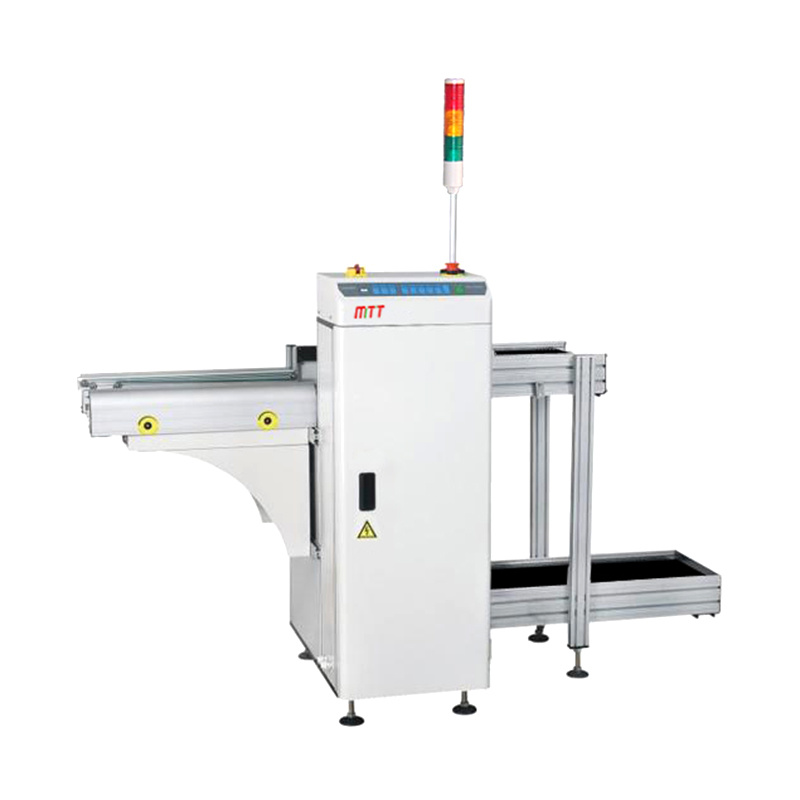
One of the key advantages of SMT production conveyors is their ability to integrate seamlessly with other manufacturing equipment, such as pick-and-place machines and reflow ovens. This integration is vital for creating a streamlined workflow where each piece of equipment can operate in harmony. By minimizing the distances between workstations and automating the movement of materials, manufacturers can significantly reduce cycle times, ultimately leading to faster production rates.
Moreover, the design of SMT production conveyors often incorporates features that enhance reliability and minimize downtime. This includes the use of high-quality materials that withstand the rigors of industrial use, as well as design elements that facilitate easy maintenance and quick troubleshooting. Manufacturers can benefit from reduced maintenance costs and less operational disruption, allowing for a more consistent production schedule.
In terms of flexibility, SMT production conveyors can be easily reconfigured to accommodate different product sizes and production volumes. This adaptability makes them an invaluable asset in environments where product lines frequently change or where there is a need for scalability. The ability to adjust the conveyor layout without significant downtime allows companies to respond swiftly to market demands.
Another important consideration is the impact of SMT production conveyors on workplace safety. Many modern conveyors are designed with safety features such as emergency stop buttons, guardrails, and sensors that prevent unauthorized access during operation. Implementing these safety measures not only protects workers but also enhances the overall efficiency of the production line by reducing the likelihood of accidents and interruptions.
In conclusion, SMT production conveyors play a critical role in enhancing the efficiency and reliability of industrial manufacturing processes. By understanding their design, integration capabilities, and adaptability, manufacturers can leverage these conveyors to optimize their production workflows. With the right implementation, SMT production conveyors can lead to significant improvements in both productivity and safety, making them a wise investment for any manufacturing operation focused on electronic assembly.
SMT production conveyors are engineered to handle the specific requirements of electronic assembly, which often includes delicate components that need careful handling. These conveyors are typically equipped with features such as adjustable speeds, modular designs, and integrated automation systems, allowing manufacturers to tailor the equipment to their specific needs. The precise control of conveyor speed ensures that assemblies are moved at optimal rates, reducing the risk of damage to components while maintaining high throughput.
One of the key advantages of SMT production conveyors is their ability to integrate seamlessly with other manufacturing equipment, such as pick-and-place machines and reflow ovens. This integration is vital for creating a streamlined workflow where each piece of equipment can operate in harmony. By minimizing the distances between workstations and automating the movement of materials, manufacturers can significantly reduce cycle times, ultimately leading to faster production rates.
Moreover, the design of SMT production conveyors often incorporates features that enhance reliability and minimize downtime. This includes the use of high-quality materials that withstand the rigors of industrial use, as well as design elements that facilitate easy maintenance and quick troubleshooting. Manufacturers can benefit from reduced maintenance costs and less operational disruption, allowing for a more consistent production schedule.
In terms of flexibility, SMT production conveyors can be easily reconfigured to accommodate different product sizes and production volumes. This adaptability makes them an invaluable asset in environments where product lines frequently change or where there is a need for scalability. The ability to adjust the conveyor layout without significant downtime allows companies to respond swiftly to market demands.
Another important consideration is the impact of SMT production conveyors on workplace safety. Many modern conveyors are designed with safety features such as emergency stop buttons, guardrails, and sensors that prevent unauthorized access during operation. Implementing these safety measures not only protects workers but also enhances the overall efficiency of the production line by reducing the likelihood of accidents and interruptions.
In conclusion, SMT production conveyors play a critical role in enhancing the efficiency and reliability of industrial manufacturing processes. By understanding their design, integration capabilities, and adaptability, manufacturers can leverage these conveyors to optimize their production workflows. With the right implementation, SMT production conveyors can lead to significant improvements in both productivity and safety, making them a wise investment for any manufacturing operation focused on electronic assembly.
Related News