

Comparing SMT Conveyors to Other Conveyor Types: What You Need to Know


2026-03-27
Comparing SMT Conveyors to Other Conveyor Types: What You Need to Know
Table of Contents
- 1. Introduction to SMT Conveyors
- 2. Understanding Different Types of Conveyors
- 3. Key Features of SMT Conveyors
- 4. Advantages of SMT Conveyors Over Other Types
- 5. Applications of SMT Conveyors in Industries
- 6. Comparing SMT Conveyors to Other Conveyor Types
- 7. Choosing the Right Conveyor for Your Needs
- 8. Frequently Asked Questions
- 9. Conclusion
1. Introduction to SMT Conveyors
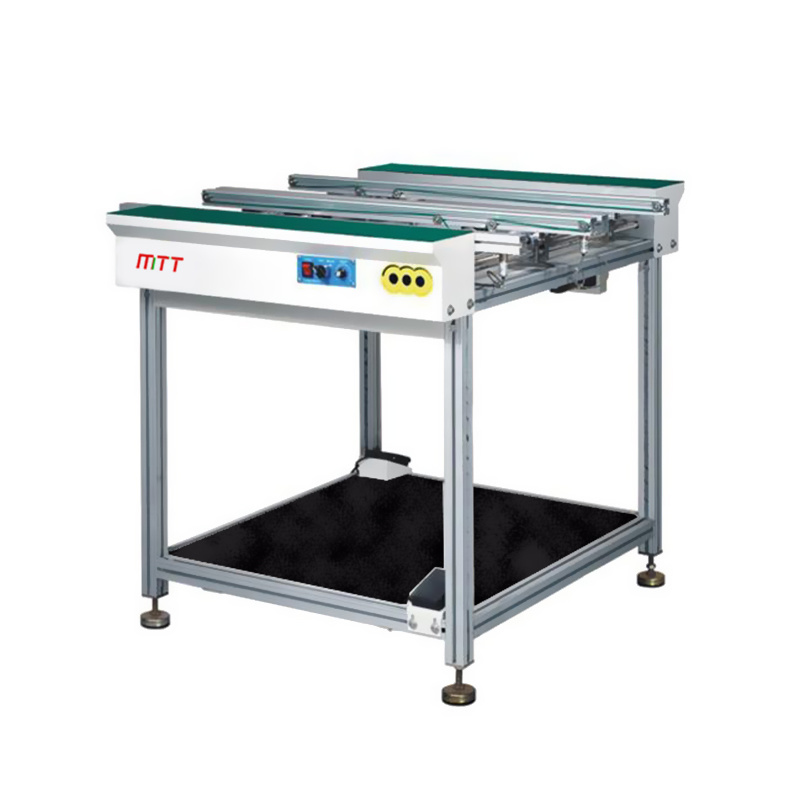
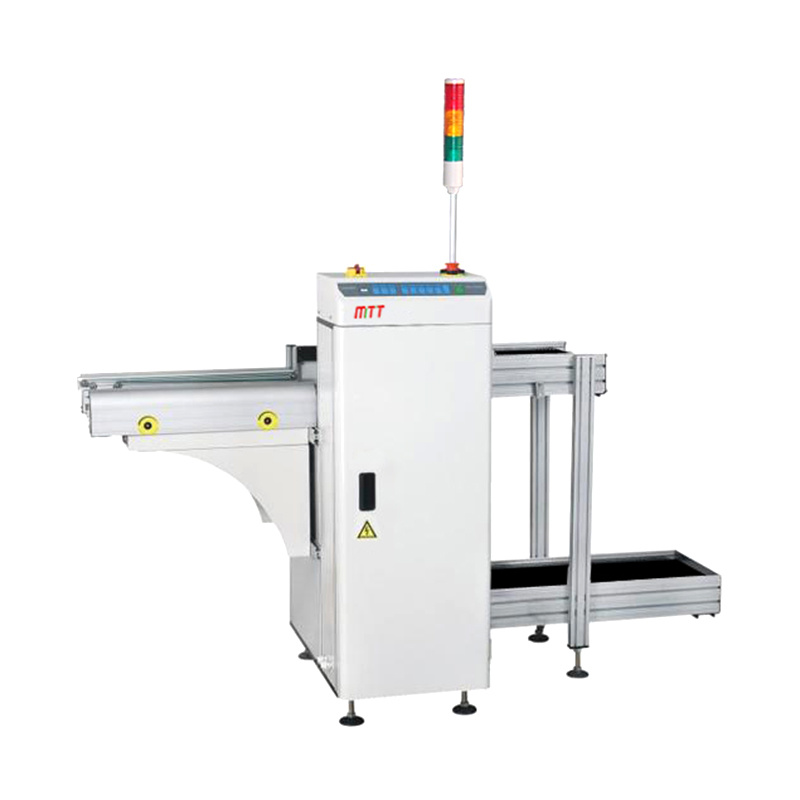
In the realm of industrial manufacturing, the selection of the right conveyor system is crucial. **Surface Mount Technology (SMT) conveyors** stand out due to their ability to transport electronic components efficiently. As automation continues to evolve, understanding the nuances between SMT conveyors and other conveyor types becomes vital for optimizing production lines.
2. Understanding Different Types of Conveyors
When exploring conveyor systems, several types come into play, including:
2.1 Belt Conveyors
Belt conveyors are one of the most common types used in various industries. They consist of a continuous loop of material that moves items from one point to another. Their adaptability makes them suitable for a range of materials, from light packages to heavy pallets.
2.2 Roller Conveyors
Roller conveyors facilitate the movement of items using gravity or powered rollers. They are ideal for transporting heavy loads and can be configured in various layouts to suit different operational needs.
2.3 Chain Conveyors
Chain conveyors utilize linked chains to move products along a production line. They are typically used for heavier materials and are prevalent in automotive assembly and other heavy-duty applications.
2.4 Pneumatic Conveyors
Pneumatic conveyors transport materials through air pressure. They are often used in industries requiring the movement of bulk materials, such as food and pharmaceuticals.
3. Key Features of SMT Conveyors
SMT conveyors possess several distinct characteristics that enhance their functionality:
3.1 Precision Handling
SMT conveyors are designed to handle delicate electronic components with precision, minimizing the risk of damage during transit.
3.2 Compact Design
Many SMT conveyor systems are compact and can be integrated into existing manufacturing lines without requiring extensive modifications.
3.3 Flexibility and Scalability
These conveyors can be easily adjusted or expanded to accommodate changes in production volume or product type, making them a versatile choice for manufacturers.
4. Advantages of SMT Conveyors Over Other Types
When comparing SMT conveyors to other conveyor types, several advantages emerge:
4.1 Enhanced Efficiency
SMT conveyors are engineered for high-speed operations, allowing for faster production cycles and improved overall efficiency.
4.2 Reduced Downtime
Due to their reliable construction and minimal maintenance requirements, SMT conveyors often experience less downtime compared to traditional conveyor systems.
4.3 Improved Product Safety
With their design focused on protecting sensitive components, SMT conveyors significantly reduce the risk of product damage, ensuring high-quality output.
4.4 Energy Efficiency
SMT conveyor systems often consume less energy than other conveyor types, translating into lower operational costs and a reduced carbon footprint.
5. Applications of SMT Conveyors in Industries
SMT conveyors find applications across various industries, particularly in electronics manufacturing. Key applications include:
5.1 PCB Assembly Lines
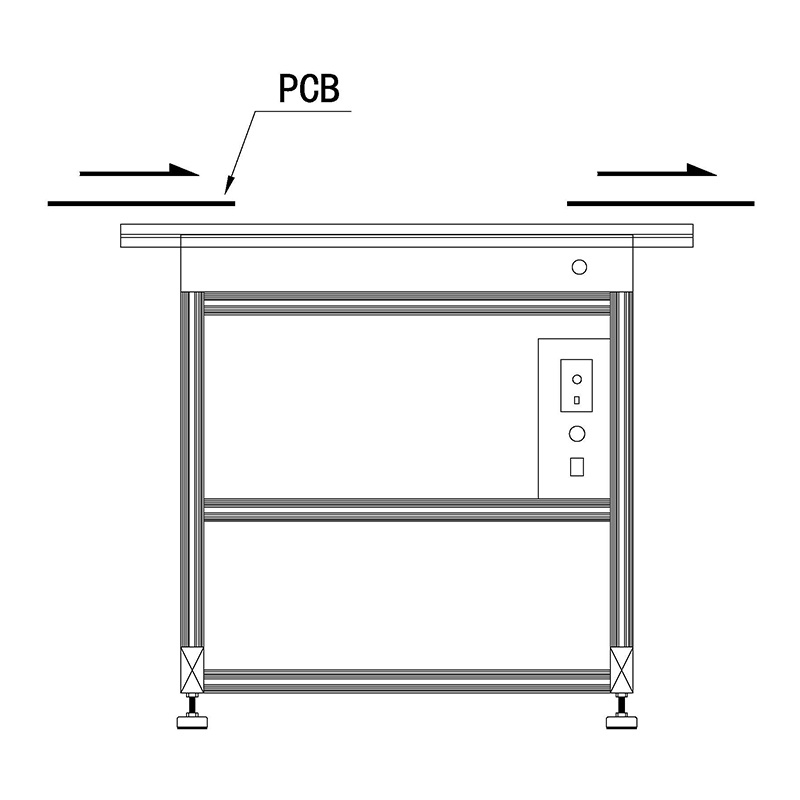
SMT conveyors are integral to PCB assembly lines, efficiently transporting printed circuit boards between different workstations.
5.2 Component Testing
In testing environments, SMT conveyors facilitate the movement of components to ensure they undergo rigorous quality checks.
5.3 Packaging Operations
Once components are assembled, SMT conveyors help transition products into packaging processes, streamlining the workflow.
6. Comparing SMT Conveyors to Other Conveyor Types
When evaluating SMT conveyors against other types, it's essential to consider specific factors:
6.1 Speed and Throughput
SMT conveyors typically offer higher speeds and throughput capabilities compared to traditional belt or roller conveyors, making them ideal for high-volume production.
6.2 Cost-Effectiveness
While the initial investment in SMT conveyors may be higher, their long-term benefits, such as reduced maintenance and increased efficiency, often lead to significant cost savings.
6.3 Adaptability
Unlike fixed-type conveyors, SMT systems can be modular and easily reconfigured to meet evolving production requirements, offering a flexible solution for manufacturers.
6.4 Maintenance Requirements
Compared to chain conveyors, which may require regular lubrication and adjustment, SMT conveyors generally demand less frequent maintenance, allowing for seamless operations.
7. Choosing the Right Conveyor for Your Needs
Selecting the right conveyor system involves assessing several factors:
7.1 Understanding Your Product
Consider the size, weight, and fragility of your products. SMT conveyors are particularly well-suited for small, delicate components.
7.2 Evaluating Production Volume
High-volume operations often benefit from the speed and efficiency of SMT conveyors, while lower-volume needs might be met with simpler systems.
7.3 Assessing Space Constraints
Evaluate your facility’s layout and available space. SMT conveyors’ compact designs can be advantageous in tighter environments.
7.4 Budget Considerations
While SMT conveyors may have a higher upfront cost, their efficiency and reduced maintenance can yield substantial savings over time.
8. Frequently Asked Questions
8.1 What are the main differences between SMT conveyors and traditional belt conveyors?
SMT conveyors are specifically designed for the handling of electronic components, offering higher precision and speed compared to traditional belt conveyors.
8.2 Are SMT conveyors suitable for heavy materials?
No, SMT conveyors are optimized for lighter, delicate products. For heavy materials, chain or roller conveyors would be more appropriate.
8.3 How much maintenance do SMT conveyors require?
SMT conveyors generally require minimal maintenance due to their robust design, making them a reliable choice for manufacturers.
8.4 Can SMT conveyors be integrated into existing systems?
Yes, their modular nature allows SMT conveyors to be easily integrated into existing production lines with minimal disruption.
8.5 What are the cost factors associated with SMT conveyor systems?
Costs can vary based on factors such as system size, features, and installation requirements. However, the long-term savings in operational efficiency often justify the initial investment.
9. Conclusion
In conclusion, SMT conveyors offer a specialized solution for industries focused on electronic component handling. Their advantages in speed, efficiency, and product safety make them a standout choice compared to other conveyor types. By understanding the distinct features and benefits of SMT conveyors, manufacturers can make informed decisions that enhance their production capabilities, streamline operations, and ultimately drive profitability. Whether integrating new systems or upgrading existing ones, leveraging the unique attributes of SMT conveyors can position businesses for success in a competitive market.
Related News