

Maximizing Efficiency with SMT Line Conveyors: A Comprehensive Guide


2026-03-17
In the realm of industrial equipment, SMT (Surface Mount Technology) line conveyors play a crucial role in the assembly and manufacturing processes. These conveyors are specifically designed to meet the demands of electronics manufacturing, where precision and efficiency are paramount. By understanding the components and functionality of SMT line conveyors, businesses can significantly enhance their production capabilities.
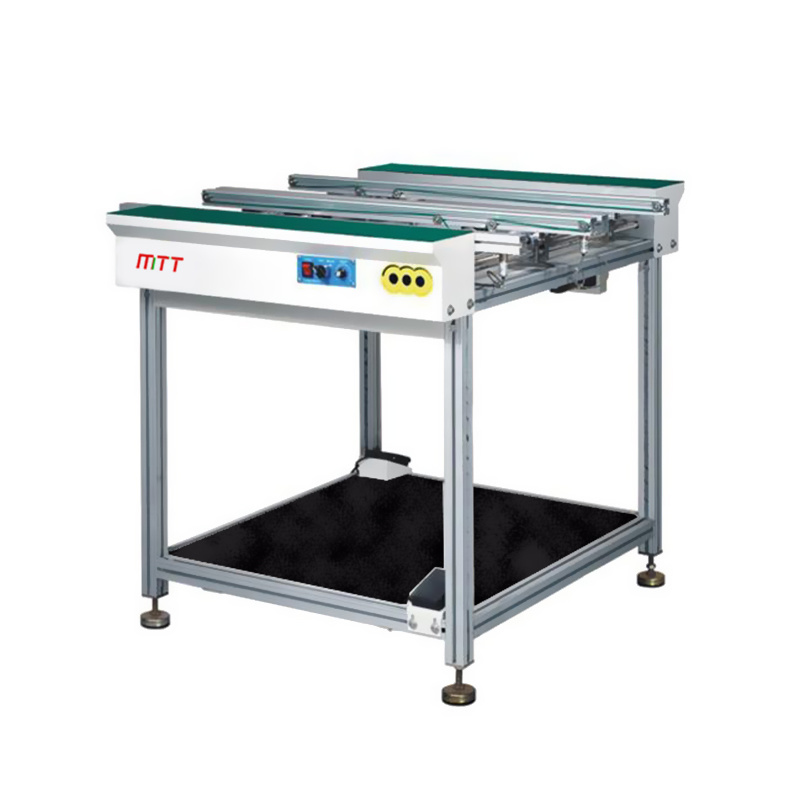
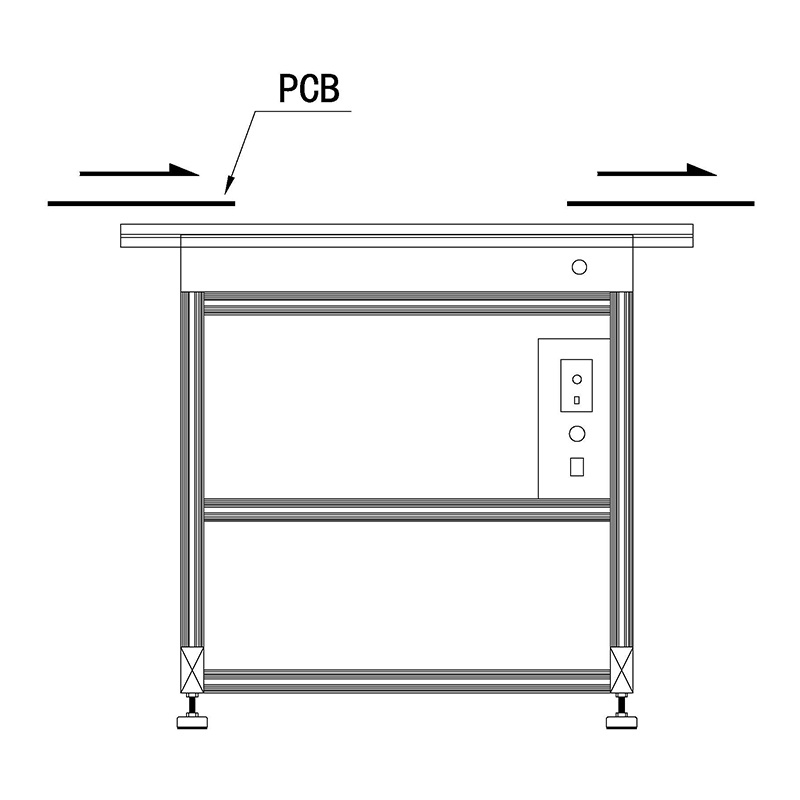
At its core, an SMT line conveyor functions as a transport system that moves PCB (Printed Circuit Board) assemblies through various stages of the manufacturing process. This can include placement, soldering, inspection, and testing. The design of these conveyors is tailored to ensure that they maintain a steady flow of materials while minimizing the risk of damage to sensitive components.
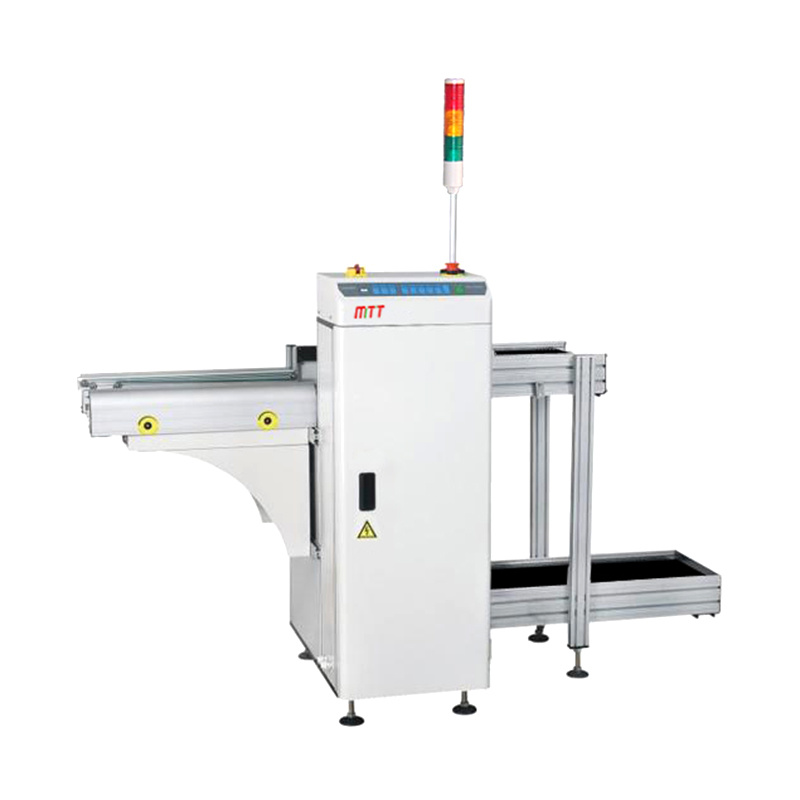
One of the key advantages of using SMT line conveyors is their ability to integrate seamlessly with other equipment in the production line. For instance, they can be synchronized with pick-and-place machines, reflow ovens, and automated inspection systems, creating a cohesive workflow that reduces bottlenecks. This integration not only enhances productivity but also allows for real-time monitoring and adjustments, leading to improved quality control.
Moreover, SMT line conveyors are often equipped with advanced features such as adjustable speed controls, which enable manufacturers to optimize the flow of materials according to specific production requirements. This flexibility is essential in a fast-paced manufacturing environment, where changes in demand can occur rapidly. Additionally, many modern SMT line conveyors incorporate modular designs, allowing for easy reconfiguration or expansion as production needs evolve.
The materials used in the construction of SMT line conveyors are also worth noting. Typically, these conveyors are made from durable materials such as aluminum or stainless steel, which can withstand the rigors of industrial environments while maintaining hygiene and cleanliness standards. Furthermore, conveyor belts may be designed with anti-static properties to protect sensitive electronic components from electrostatic discharge (ESD), which can cause significant damage during assembly.
Another important aspect of SMT line conveyors is their maintenance. Regular upkeep is essential to ensure that the conveyor functions optimally and to prevent unexpected downtime. This includes routine inspections, cleaning, and lubrication of moving parts. By adhering to a preventative maintenance schedule, manufacturers can prolong the life of their conveyor systems and maintain consistent production output.
In conclusion, SMT line conveyors are a vital component in the electronics manufacturing industry, offering efficiency, flexibility, and reliability. By investing in high-quality conveyor systems and understanding their operational mechanics, businesses can significantly enhance their production processes. Whether you are looking to upgrade existing systems or implement new technology, SMT line conveyors provide the foundation for a streamlined and effective manufacturing operation.
At its core, an SMT line conveyor functions as a transport system that moves PCB (Printed Circuit Board) assemblies through various stages of the manufacturing process. This can include placement, soldering, inspection, and testing. The design of these conveyors is tailored to ensure that they maintain a steady flow of materials while minimizing the risk of damage to sensitive components.
One of the key advantages of using SMT line conveyors is their ability to integrate seamlessly with other equipment in the production line. For instance, they can be synchronized with pick-and-place machines, reflow ovens, and automated inspection systems, creating a cohesive workflow that reduces bottlenecks. This integration not only enhances productivity but also allows for real-time monitoring and adjustments, leading to improved quality control.
Moreover, SMT line conveyors are often equipped with advanced features such as adjustable speed controls, which enable manufacturers to optimize the flow of materials according to specific production requirements. This flexibility is essential in a fast-paced manufacturing environment, where changes in demand can occur rapidly. Additionally, many modern SMT line conveyors incorporate modular designs, allowing for easy reconfiguration or expansion as production needs evolve.
The materials used in the construction of SMT line conveyors are also worth noting. Typically, these conveyors are made from durable materials such as aluminum or stainless steel, which can withstand the rigors of industrial environments while maintaining hygiene and cleanliness standards. Furthermore, conveyor belts may be designed with anti-static properties to protect sensitive electronic components from electrostatic discharge (ESD), which can cause significant damage during assembly.
Another important aspect of SMT line conveyors is their maintenance. Regular upkeep is essential to ensure that the conveyor functions optimally and to prevent unexpected downtime. This includes routine inspections, cleaning, and lubrication of moving parts. By adhering to a preventative maintenance schedule, manufacturers can prolong the life of their conveyor systems and maintain consistent production output.
In conclusion, SMT line conveyors are a vital component in the electronics manufacturing industry, offering efficiency, flexibility, and reliability. By investing in high-quality conveyor systems and understanding their operational mechanics, businesses can significantly enhance their production processes. Whether you are looking to upgrade existing systems or implement new technology, SMT line conveyors provide the foundation for a streamlined and effective manufacturing operation.
Related News