

Integrating AI with SMT Transfer Conveyors for Enhanced Performance: Revolutionizing Industrial Automation


2026-03-15
Integrating AI with SMT Transfer Conveyors for Enhanced Performance
Table of Contents
- 1. Introduction to SMT Transfer Conveyors and AI Integration
- 2. Understanding SMT Transfer Conveyors
- 3. The Role of AI in Industrial Automation
- 4. Integrating AI with SMT Transfer Conveyors
- 5. Case Studies and Real-World Applications
- 6. Challenges and Considerations in AI Integration
- 7. Future Trends in AI and SMT Conveyance Systems
- 8. Conclusion
- 9. FAQs
1. Introduction to SMT Transfer Conveyors and AI Integration
In the realm of industrial automation, **Surface Mount Technology (SMT)** transfer conveyors are pivotal in the efficient movement of electronic components throughout the manufacturing process. With the rapid advancements in technology, particularly **Artificial Intelligence (AI)**, industries are witnessing a transformation in how these systems operate. The integration of AI into SMT transfer conveyors provides enhanced performance, greater efficiency, and improved reliability. This article delves into the marriage of these two technologies and explores the profound impact they have on industrial processes.
2. Understanding SMT Transfer Conveyors
2.1 What are SMT Transfer Conveyors?
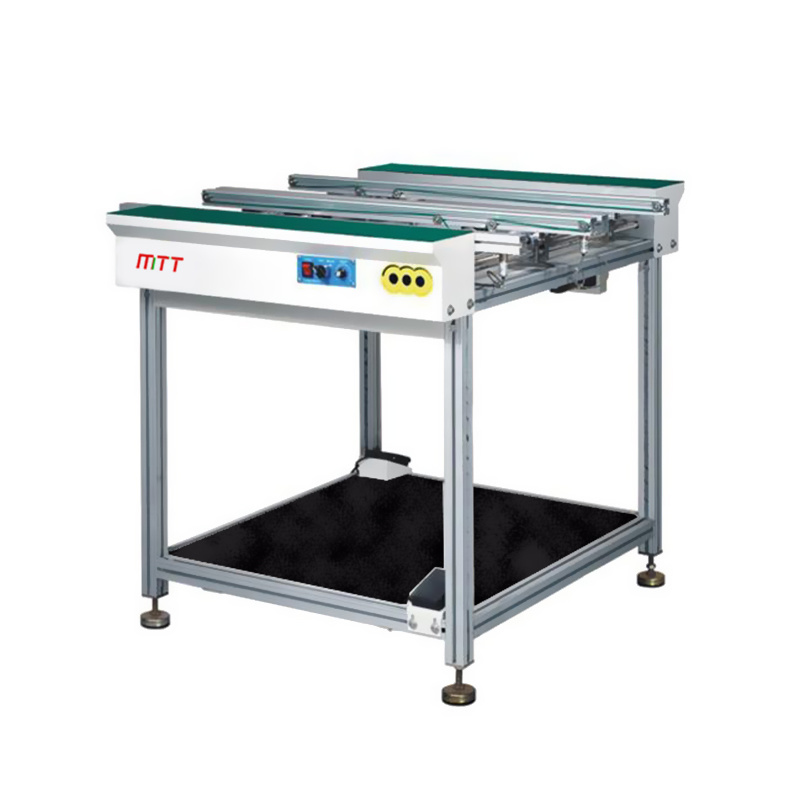
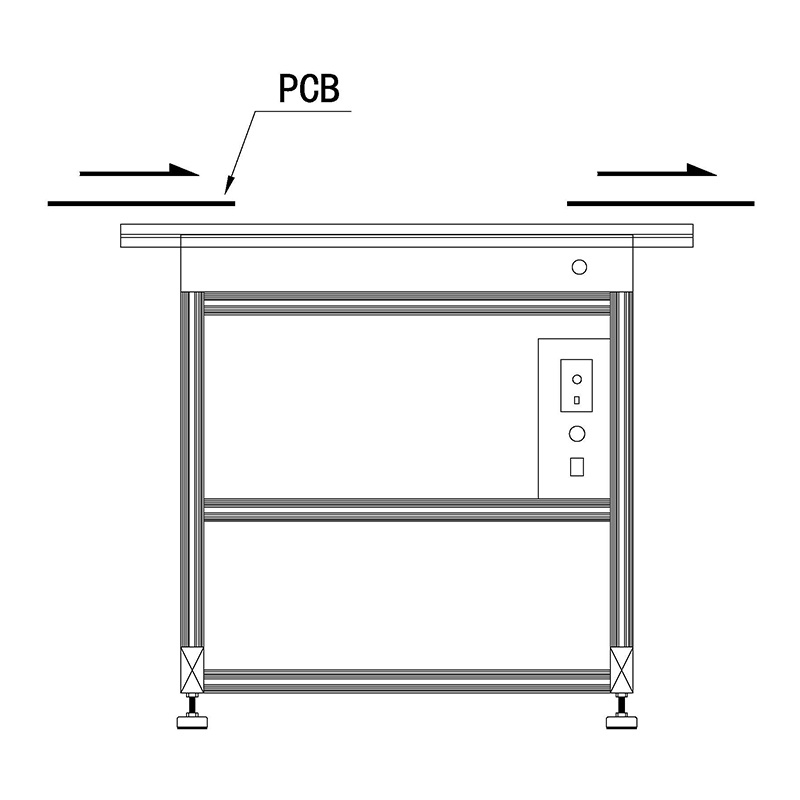
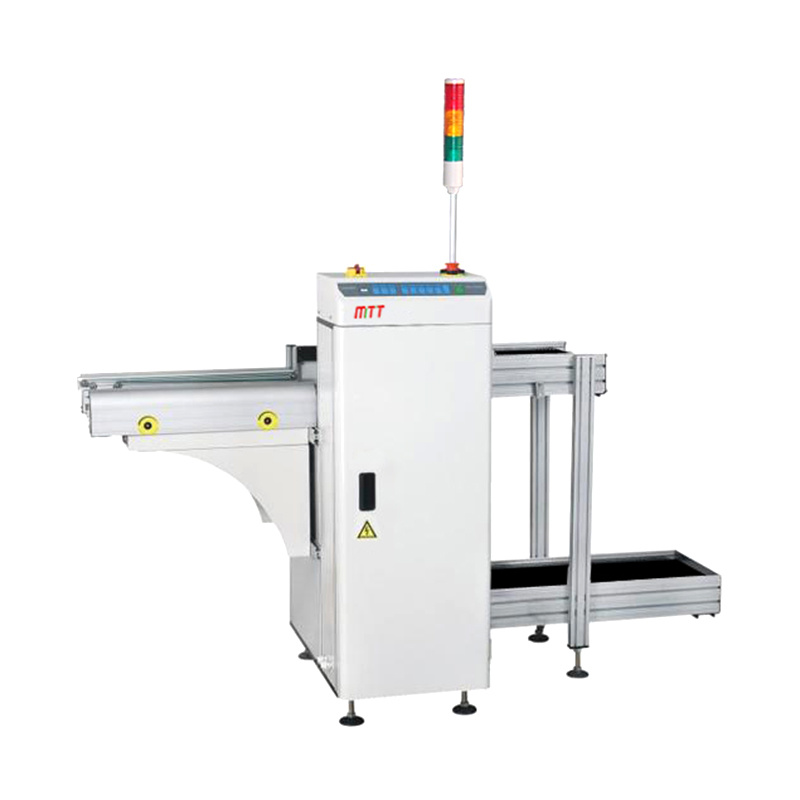
**SMT transfer conveyors** are specialized equipment designed to transport PCBs (Printed Circuit Boards) in electronic assembly lines. These conveyors facilitate the seamless movement of components from one production stage to another, ensuring minimal downtime and maximum throughput. They are engineered to handle delicate electronic components with precision and care, contributing to the overall efficiency of the production line.
2.2 Functions of SMT Transfer Conveyors
The functions of SMT transfer conveyors extend beyond mere transportation. They serve various roles, including:
- **Sorting and Aligning**: Ensuring components are correctly oriented for assembly.
- **Inspection**: Integrating inspection systems to detect defects in real-time.
- **Buffering**: Temporarily storing components to balance production rates.
- **Connectivity**: Facilitating communication between different machines in the production line.
3. The Role of AI in Industrial Automation
3.1 How AI Enhances Industrial Processes
AI has emerged as a transformative force in industrial automation, enabling systems to operate with unprecedented levels of intelligence. By analyzing vast amounts of data, AI algorithms can identify patterns and optimize processes in real-time. This results in improved accuracy, reduced waste, and enhanced operational efficiency.
3.2 Benefits of AI in SMT Transfer Systems
Integrating AI into SMT transfer systems offers several compelling benefits, including:
- **Predictive Maintenance**: AI can predict equipment failures before they occur, reducing downtime and maintenance costs.
- **Process Optimization**: Continuous learning algorithms can fine-tune the operational parameters for maximum efficiency.
- **Quality Control**: AI systems can monitor production quality in real-time, ensuring defects are identified and addressed promptly.
- **Energy Efficiency**: AI can manage energy consumption more effectively, contributing to sustainability goals.
4. Integrating AI with SMT Transfer Conveyors
4.1 Technological Advancements
The integration of AI with SMT transfer conveyors has been made possible through various technological advancements. These include:
- **Machine Learning**: Algorithms that enable systems to learn from historical data and improve over time.
- **IoT Connectivity**: Internet of Things (IoT) technology allows for seamless communication between devices and systems.
- **Advanced Sensors**: High-precision sensors provide real-time data for better decision-making.
4.2 AI-Driven Automation Solutions
Several AI-driven solutions are now available for SMT transfer conveyors, enhancing their functionality:
- **Vision Systems**: AI-powered cameras can detect misalignments and defects, ensuring only quality products move along the conveyor.
- **Automated Sorting**: AI can optimize sorting processes based on real-time data, improving throughput rates.
- **Adaptive Control Systems**: These systems adjust operational parameters dynamically based on current conditions, ensuring optimal performance at all times.
5. Case Studies and Real-World Applications
5.1 Successful Implementation Examples
Numerous industries have successfully implemented AI-integrated SMT transfer conveyors, achieving remarkable results. For instance:
- **Consumer Electronics**: A leading electronics manufacturer integrated AI into their SMT processes, resulting in a 30% increase in production efficiency and a significant reduction in defects.
- **Automotive Sector**: An automotive parts supplier adopted AI-driven conveyors that improved their assembly line flexibility, allowing for faster changes between product lines without compromising quality.
6. Challenges and Considerations in AI Integration
Despite the numerous advantages, integrating AI with SMT transfer conveyors is not without challenges. Companies must consider factors such as:
- **Initial Investment**: The cost of implementing AI technologies can be substantial.
- **Training Requirements**: Employees may require training to effectively use new systems and technologies.
- **Data Security**: With increased connectivity, data security concerns must be addressed to protect sensitive information.
7. Future Trends in AI and SMT Conveyance Systems
The future of AI integration in SMT transfer conveyors looks promising, with several trends emerging:
- **Increased Customization**: Future systems will likely be more customizable, allowing companies to tailor solutions to their specific needs.
- **Enhanced Collaboration**: As AI technologies evolve, we can expect greater collaboration between machines, leading to more efficient production lines.
- **Sustainability Focus**: There will be a stronger emphasis on sustainable practices, with AI technologies contributing to energy efficiency and waste reduction.
8. Conclusion
The integration of AI with SMT transfer conveyors marks a significant advancement in industrial automation. By enhancing performance, optimizing processes, and ensuring quality control, this technology is reshaping the landscape of manufacturing. As industries continue to embrace these innovations, the potential for increased efficiency and productivity is unparalleled, paving the way for a smarter, more sustainable future.
9. FAQs
What is an SMT transfer conveyor?
SMT transfer conveyors are specialized equipment used in electronic assembly lines to transport PCBs and components efficiently from one stage of production to another.
How does AI enhance the performance of SMT transfer conveyors?
AI enhances performance by providing predictive maintenance, optimizing processes in real-time, ensuring quality control, and improving energy efficiency.
What are the benefits of integrating AI with SMT transfer conveyors?
The benefits include increased production efficiency, reduced defects, enhanced flexibility, and improved operational sustainability.
What challenges might companies face when integrating AI?
Challenges include initial investment costs, training requirements for staff, and data security concerns.
What future trends can we expect in AI and SMT transfer systems?
Future trends include increased customization of solutions, greater collaboration between machines, and a stronger focus on sustainability in manufacturing processes.
Related News