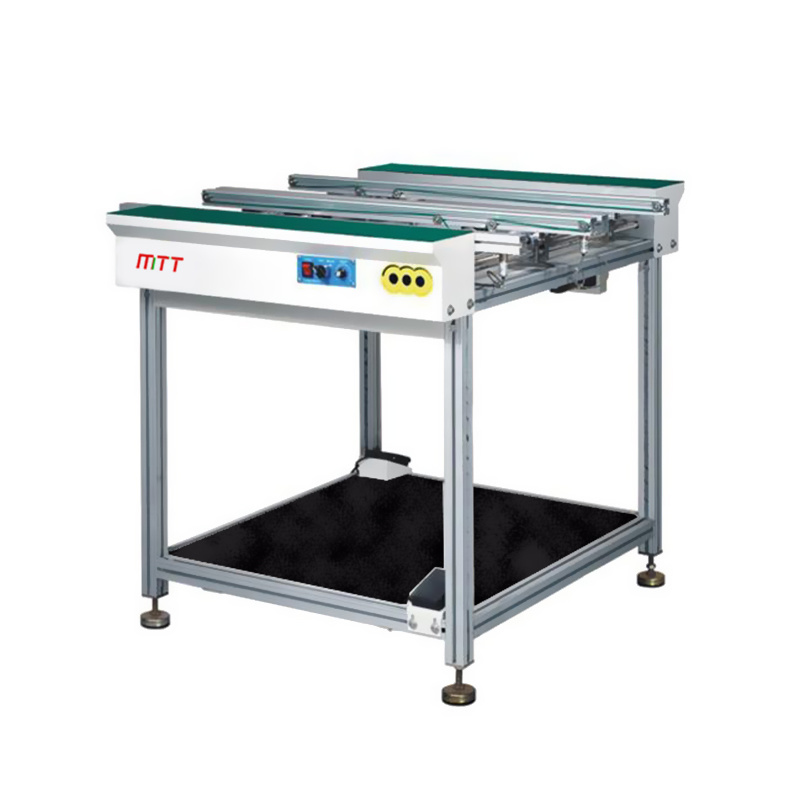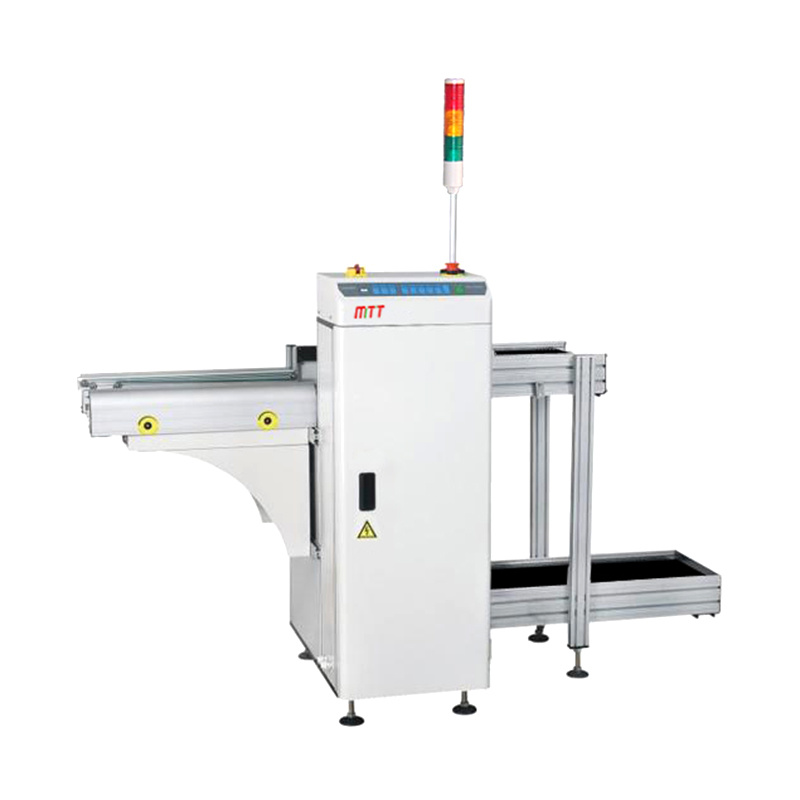


Exploring the Latest Innovations in SMT Production Conveyor Technology


2026-03-11
Exploring the Latest Innovations in SMT Production Conveyor Technology
In the rapidly evolving world of manufacturing, **Surface Mount Technology (SMT)** has become a cornerstone within the electronics industry. As the demand for higher efficiency, precision, and flexibility grows, so too does the need for **advanced conveyor systems**. These systems not only streamline production but also ensure high-quality output. In this article, we will explore the latest innovations in SMT production conveyor technology, examining how these advancements are shaping the future of manufacturing.
The Importance of Conveyor Systems in SMT Production
Conveyor systems are vital to SMT production. They facilitate the efficient movement of components, assemblies, and finished products throughout the manufacturing process. As manufacturing demands increase, the importance of effective and innovative conveyor technologies cannot be overstated.
Enhancing Production Efficiency
Modern conveyor systems are designed to significantly enhance production efficiency. By automating the transport of materials, manufacturers can minimize human error and reduce cycle times. For instance, **smart conveyor systems** equipped with sensors and AI-driven technology can adjust the flow of materials in real-time, ensuring optimal production rates.
Improving Quality Control
Quality control is paramount in SMT production. Advanced conveyor technologies incorporate integrated inspection systems that allow for continuous monitoring of products as they move through the assembly line. These systems help identify defects early, reducing waste and ensuring that only high-quality products reach the market.
Key Innovations in SMT Conveyor Technology
The field of SMT conveyor technology is dynamic, with several key innovations emerging to meet the ever-changing demands of the industry. Here are some of the most significant advancements:
1. Modular Conveyor Systems
**Modular conveyor systems** provide flexibility and scalability, allowing manufacturers to design their production lines according to specific requirements. These systems can be easily reconfigured or expanded to accommodate changes in production volume or product design.
2. Smart Conveyor Systems
With the rise of the **Internet of Things (IoT)**, smart conveyor systems have become increasingly popular. These systems utilize sensors and connected devices to optimize operations. For example, predictive analytics can forecast equipment failures, enabling proactive maintenance that minimizes downtime.
3. Energy-Efficient Designs
Sustainability is a growing concern in manufacturing. Energy-efficient conveyor systems utilize advanced materials and designs to reduce energy consumption. For instance, conveyor belts made from lightweight materials can decrease the power required for movement, resulting in lower operational costs and reduced environmental impact.
4. High-Speed Conveyors
As production speeds increase, the demand for **high-speed conveyor systems** has surged. These systems are engineered to handle rapid transport without compromising reliability or safety. Innovations such as high-performance motors and advanced belt designs allow for seamless operation at increased speeds.
5. Automated Guided Vehicles (AGVs)
AGVs are becoming an integral part of SMT production lines. These autonomous vehicles transport materials across the facility, working in tandem with conveyor systems to create a fully automated workflow. This integration enhances flexibility and reduces labor costs.
Benefits of Implementing Innovative Conveyor Technologies
Adopting the latest conveyor technologies in SMT production offers numerous benefits. Here are a few key advantages that manufacturers can expect:
1. Increased Productivity
With automated systems in place, manufacturers can achieve higher productivity levels. Innovative conveyor technologies minimize manual handling, allowing for continuous operation and faster cycle times.
2. Enhanced Safety
Safety is a critical aspect of any manufacturing environment. Modern conveyor systems are designed with safety features such as emergency stop buttons, safety guards, and sensors that detect obstructions. This focus on safety not only protects workers but also minimizes the risk of equipment damage.
3. Cost Reduction
Implementing advanced conveyor systems can lead to significant cost savings. By reducing material waste, optimizing energy use, and streamlining processes, companies can lower their overall production costs and improve profitability.
4. Flexibility and Scalability
Innovative conveyor technologies provide the flexibility to adapt to changing market demands. Modular designs allow manufacturers to reconfigure their production lines quickly, accommodating new products or adjusting to fluctuations in demand.
Best Practices for Integrating Conveyor Innovations
Integrating new conveyor technologies into existing production lines can be challenging. Here are some best practices to ensure a smooth transition:
1. Conduct a Comprehensive Assessment
Before implementing any new technology, conduct a thorough assessment of current operations. Identify areas for improvement and determine how new conveyor systems can address these challenges.
2. Collaborate with Experts
Work with conveyor technology providers who have experience in SMT production. Their expertise can help you select the right systems and configurations for your specific needs.
3. Pilot Testing
Before full-scale implementation, conduct pilot tests of new conveyor systems. This approach allows you to identify potential issues and make necessary adjustments without disrupting ongoing operations.
4. Employee Training
Ensure that employees are adequately trained in the use of new technologies. Providing training helps employees understand the benefits of the new systems and ensures they can operate them safely and effectively.
Future Trends in SMT Conveyor Technology
As technology continues to advance, several trends are likely to shape the future of SMT conveyor systems:
1. Increased Automation
The trend toward automation will continue to grow, with more manufacturers adopting fully automated systems that reduce labor costs and increase efficiency.
2. Advanced Data Analytics
Data analytics will play a significant role in optimizing conveyor operations. By analyzing production data, manufacturers can make informed decisions that enhance efficiency and minimize downtime.
3. Enhanced Connectivity
The integration of IoT technology will lead to improved connectivity between conveyor systems, machines, and production management software, providing real-time insights into operations.
FAQs About SMT Production Conveyor Technology
1. What is SMT production conveyor technology?
SMT production conveyor technology involves systems designed to transport materials efficiently through the manufacturing process, specifically in electronics assembly.
2. How do smart conveyor systems work?
Smart conveyor systems utilize sensors and IoT technology to monitor operations, optimize material flow, and predict maintenance needs, enhancing overall efficiency.
3. What are the benefits of modular conveyor systems?
Modular conveyor systems offer flexibility and scalability, allowing manufacturers to configure their production lines according to changing needs without significant downtime.
4. How does energy-efficient conveyor technology impact costs?
Energy-efficient conveyor technology reduces energy consumption, leading to lower operational costs and a decreased environmental footprint.
5. What future trends can we expect in SMT conveyor technology?
Future trends include greater automation, advanced data analytics, and enhanced connectivity, all aimed at improving efficiency and productivity in manufacturing processes.
Conclusion
In conclusion, the latest innovations in SMT production conveyor technology are transforming the manufacturing landscape. By embracing advanced systems, manufacturers can achieve unparalleled efficiency, quality, and adaptability in their operations. As we move forward, it is essential to stay informed about these advancements to remain competitive in an increasingly demanding market. Investing in innovative conveyor technologies not only enhances production capabilities but also paves the way for sustainable and profitable growth in the electronics manufacturing sector.
Related News