

Understanding SMT Conveyors: A Key Component in Modern Manufacturing


2026-03-09
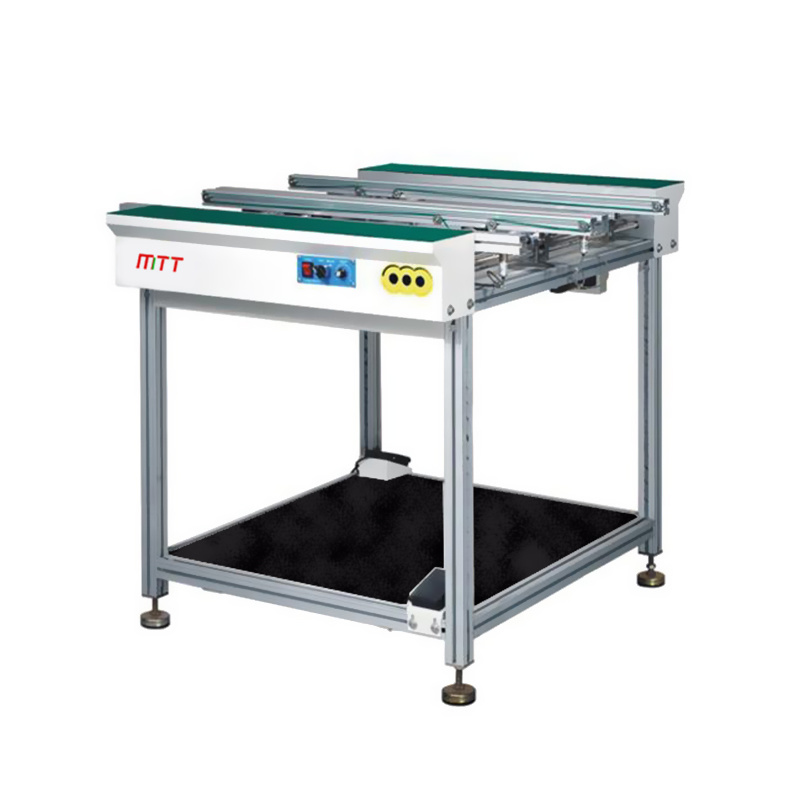
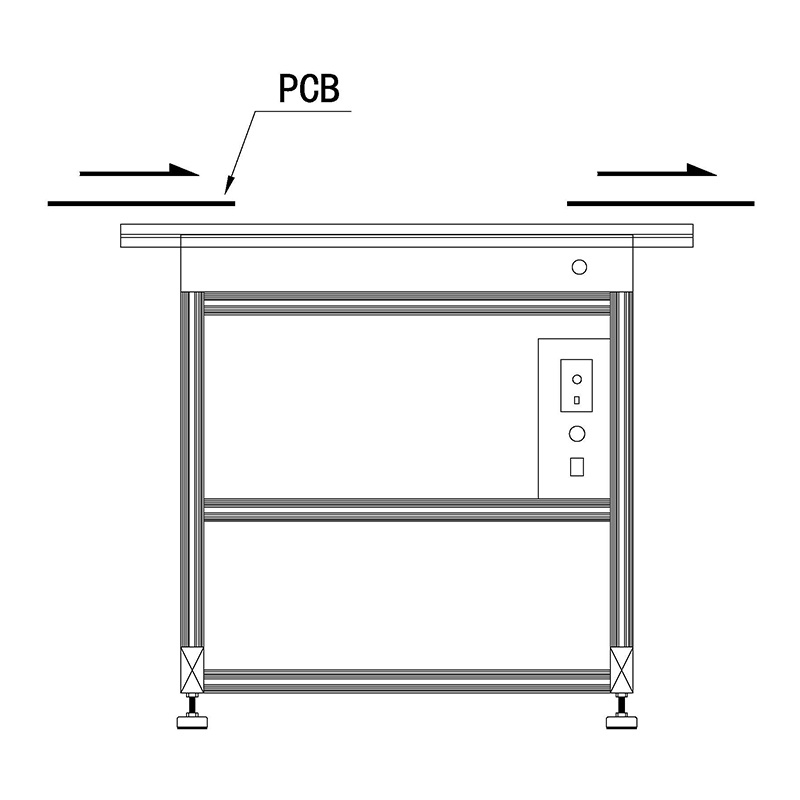
In the realm of industrial equipment and components, SMT (Surface Mount Technology) conveyors are pivotal in streamlining the manufacturing process, especially in electronics assembly. These specialized conveyors facilitate the movement of components and PCBs (Printed Circuit Boards) through various stages of production, ensuring that operations run smoothly and efficiently.
SMT conveyors are designed to meet the unique requirements of high-speed production environments. They are typically equipped with features such as adjustable speeds, precise alignment mechanisms, and the ability to handle delicate components without risk of damage. This makes them particularly valuable in the electronics industry, where precision is paramount.
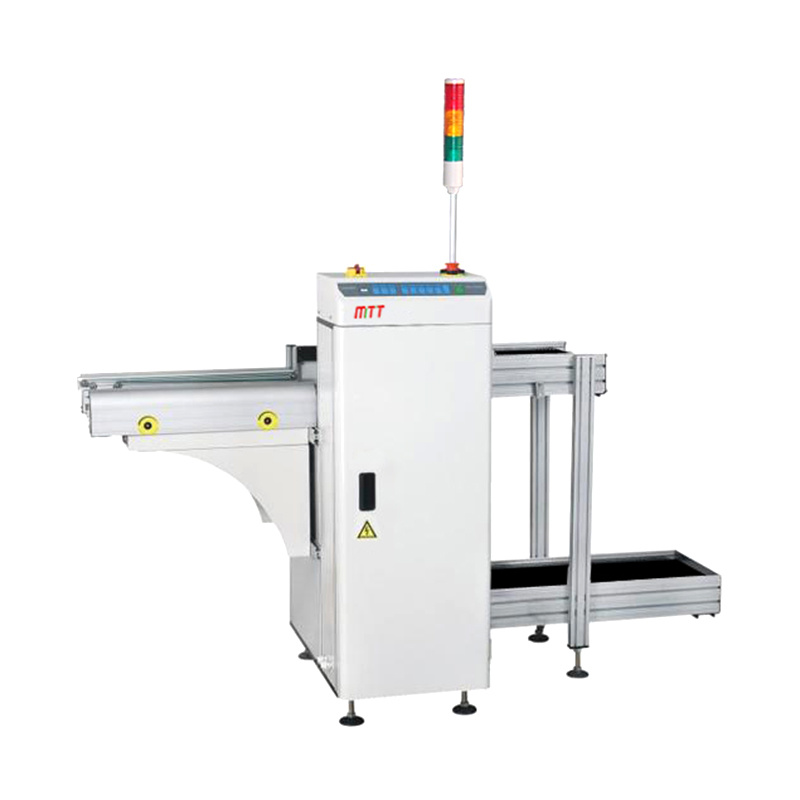
One of the primary advantages of SMT conveyors is their ability to enhance workflow efficiency. By automating the transport of materials, they reduce the need for manual handling, which not only speeds up production but also minimizes the risk of human error. In addition, SMT conveyors can be integrated with other equipment, such as pick-and-place machines and soldering stations, creating a fully automated assembly line that increases overall productivity.
Another significant benefit of SMT conveyors is their versatility. They can be configured in various layouts to accommodate specific production processes and facility designs. Whether it’s a straight line, a curve, or even a multi-tiered system, SMT conveyors can adapt to the unique needs of a production environment. This flexibility allows manufacturers to optimize their space and align their equipment with their operational goals.
Maintenance of SMT conveyors is also a critical aspect to consider. Regular inspections and upkeep are necessary to ensure they function at peak performance. This includes checking for wear on belts and rollers, ensuring proper alignment, and keeping the system clean from dust and debris that can affect operation. By maintaining these systems, manufacturers can prolong their lifespan and ensure a reliable production flow.
In summary, SMT conveyors are an essential component in the industrial equipment landscape, particularly in the electronics manufacturing sector. Their ability to enhance efficiency, reduce manual handling, and adapt to various layouts makes them invaluable for modern production lines. As technology continues to evolve, the integration of SMT conveyors will likely become even more sophisticated, further driving advancements in manufacturing efficiency and effectiveness. Understanding their operation and maintenance is crucial for professionals looking to optimize their production processes and stay competitive in the ever-evolving market.
SMT conveyors are designed to meet the unique requirements of high-speed production environments. They are typically equipped with features such as adjustable speeds, precise alignment mechanisms, and the ability to handle delicate components without risk of damage. This makes them particularly valuable in the electronics industry, where precision is paramount.
One of the primary advantages of SMT conveyors is their ability to enhance workflow efficiency. By automating the transport of materials, they reduce the need for manual handling, which not only speeds up production but also minimizes the risk of human error. In addition, SMT conveyors can be integrated with other equipment, such as pick-and-place machines and soldering stations, creating a fully automated assembly line that increases overall productivity.
Another significant benefit of SMT conveyors is their versatility. They can be configured in various layouts to accommodate specific production processes and facility designs. Whether it’s a straight line, a curve, or even a multi-tiered system, SMT conveyors can adapt to the unique needs of a production environment. This flexibility allows manufacturers to optimize their space and align their equipment with their operational goals.
Maintenance of SMT conveyors is also a critical aspect to consider. Regular inspections and upkeep are necessary to ensure they function at peak performance. This includes checking for wear on belts and rollers, ensuring proper alignment, and keeping the system clean from dust and debris that can affect operation. By maintaining these systems, manufacturers can prolong their lifespan and ensure a reliable production flow.
In summary, SMT conveyors are an essential component in the industrial equipment landscape, particularly in the electronics manufacturing sector. Their ability to enhance efficiency, reduce manual handling, and adapt to various layouts makes them invaluable for modern production lines. As technology continues to evolve, the integration of SMT conveyors will likely become even more sophisticated, further driving advancements in manufacturing efficiency and effectiveness. Understanding their operation and maintenance is crucial for professionals looking to optimize their production processes and stay competitive in the ever-evolving market.
Related News