

The Ultimate Guide to Choosing the Right SMT Loader for Your Projects


2025-11-06
The Ultimate Guide to Choosing the Right SMT Loader for Your Projects
Table of Contents
- Understanding SMT Loaders
- Types of SMT Loaders: Which One Is Right for You?
- Key Features to Consider When Choosing an SMT Loader
- Top Brands and Models of SMT Loaders
- Cost-Effectiveness and Budgeting for Your SMT Loader
- SMT Loader Maintenance: Ensuring Longevity
- Common Issues with SMT Loaders and Their Solutions
- Frequently Asked Questions
Understanding SMT Loaders
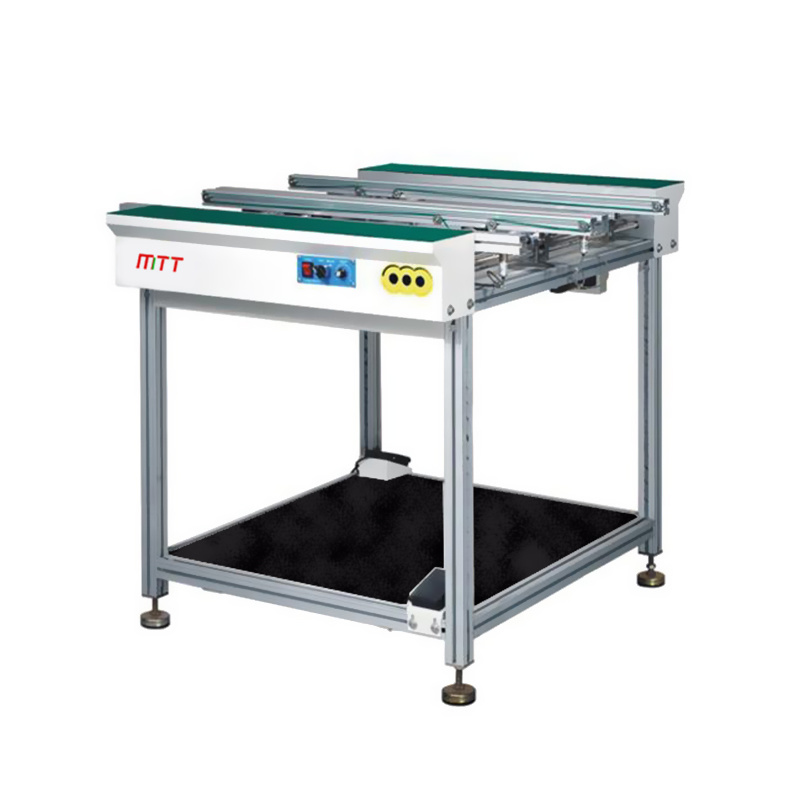
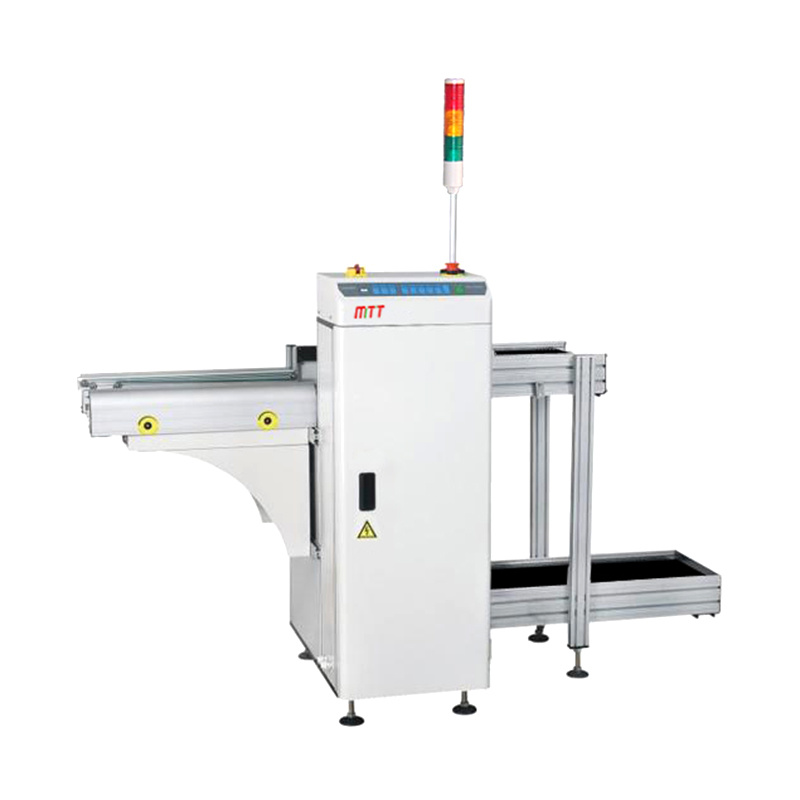
Surface Mount Technology (SMT) loaders play a critical role in modern manufacturing processes, especially in the electronics sector. An SMT loader is designed to automate the feeding of printed circuit boards (PCBs) into production lines. By streamlining the loading process, these machines enhance efficiency and accuracy in assembling electronic components. Understanding the core functionalities of an SMT loader is vital for selecting the right model that aligns with your project requirements.
Types of SMT Loaders: Which One Is Right for You?
SMT loaders come in various types, each tailored to specific manufacturing needs. The main categories include:
Manual SMT Loaders
These loaders require operators to manually place PCBs into the machine. They are typically less expensive and suitable for small-scale operations or startups that do not require high-volume production.
Automatic SMT Loaders
Automatic loaders significantly enhance productivity by utilizing advanced technologies for PCB handling. They are ideal for larger operations that demand consistent and rapid throughput.
Selective SMT Loaders
This type of loader offers flexibility, allowing for the selective loading of circuit boards with different specifications. This adaptability makes them a favorite among manufacturers needing to switch between various projects frequently.
High-Speed SMT Loaders
Designed for high-volume production, these loaders can handle multiple boards simultaneously and significantly reduce cycle times, making them indispensable for large manufacturing facilities.
Key Features to Consider When Choosing an SMT Loader
Selecting the right SMT loader involves evaluating several critical features that can influence productivity and operational efficiency.
Loading Capacity
The loading capacity of an SMT loader determines how many PCBs it can handle at once. Assess your production volume to ensure that the loader can meet your requirements without frequent interruptions.
Speed and Efficiency
Look for loaders that offer adjustable speed settings. The ability to customize loading speeds allows manufacturers to optimize their processes based on the type of PCB and components being assembled.
Compatibility with Different Board Sizes
A versatile SMT loader should accommodate various board sizes and types. Check the specifications to ensure it aligns with your existing PCB dimensions.
User-Friendly Interface
Consider loaders equipped with intuitive controls and interfaces. A user-friendly system reduces training time and enhances operational efficiency.
Integrated Technologies
Advanced features such as vision systems and automatic alignment can improve accuracy and reduce errors during the loading process. These technologies are essential for high-precision tasks.
Top Brands and Models of SMT Loaders
The market is filled with reputable brands that produce high-quality SMT loaders. Some industry-leading manufacturers include:
Panasonic
Renowned for its innovative technology, Panasonic offers a range of SMT loaders known for their reliability and performance.
Samsung
Samsung's SMT loaders are highlighted by their high-speed capabilities and user-friendly designs, making them a popular choice among high-volume manufacturers.
Yamaha
Yamaha is recognized for its advanced automation technologies, providing efficient loaders that enhance overall production capabilities.
Fuji
With a strong focus on flexibility, Fuji’s SMT loaders can easily adapt to various manufacturing environments, catering to diverse production needs.
Cost-Effectiveness and Budgeting for Your SMT Loader
When investing in an SMT loader, understanding the cost implications is vital. The price can vary based on features, technology, and brand reputation. Establish a budget that includes not only the initial purchase but also maintenance, training, and any potential upgrades. Evaluating your current production needs and future growth can help you make a more informed decision.
SMT Loader Maintenance: Ensuring Longevity
Proper maintenance is crucial to extend the lifespan of your SMT loader. Regular inspections, cleaning, and timely servicing will help avoid breakdowns and keep production lines running smoothly. Develop a maintenance schedule that includes:
Daily Checks
Inspect the machine for any visible wear and tear or misalignments that could impact performance. Regularly clean components to prevent dust buildup.
Monthly Servicing
Engage a qualified technician to perform comprehensive checks and tune-ups. This can include recalibrating settings and replacing worn-out parts.
Documentation
Maintain a log of all maintenance activities. This can help identify recurring issues and inform future purchasing decisions.
Common Issues with SMT Loaders and Their Solutions
Even the most advanced SMT loaders may encounter issues. Understanding common problems and their solutions can save time and resources:
Board Misalignment
This can lead to errors during the assembly process. Regular calibration and adjustment of alignment guides can help rectify this issue.
Feeding Problems
Jams or misfeeds can disrupt workflow. Ensure that the machine is regularly cleaned and that feeding mechanisms are well-maintained.
Software Glitches
Software issues can halt operations. Keeping the operating system updated and maintaining backups can mitigate this risk.
Frequently Asked Questions
1. What is an SMT loader?
An SMT loader is a machine that automates the loading of printed circuit boards onto a production line, enhancing efficiency in the manufacturing process.
2. How do I determine the right type of SMT loader for my project?
Assess your production volume, PCB dimensions, and the level of automation required. Consider your budget and future scalability as well.
3. Are automatic SMT loaders worth the investment?
Yes, automatic SMT loaders can significantly increase productivity and accuracy, often justifying the initial investment through enhanced efficiency.
4. How often should I maintain my SMT loader?
A maintenance routine that includes daily checks and monthly servicing is recommended to ensure optimal performance and longevity.
5. What are common signs that my SMT loader needs servicing?
Signs include unusual noises, repeated feeding issues, or a decrease in loading speed and accuracy. Regular inspections can help catch these problems early.
Conclusion
Choosing the right SMT loader for your projects demands a thorough understanding of your specific needs, the various types of loaders available, and the crucial features that can enhance production efficiency. By carefully considering factors such as capacity, speed, and maintenance, you can make a well-informed decision that will benefit your manufacturing process. With the right SMT loader in place, your projects can achieve the precision and reliability necessary for success in today’s competitive market.
Related News