

The Essential Guide to SMT Board Transport in Industrial Conveyor Systems


2025-11-05
In the world of industrial equipment, particularly within the domain of conveyor systems, the transport of SMT (Surface Mount Technology) boards is a vital element of the manufacturing process. SMT boards are used widely in electronic assemblies, and their efficient transportation is crucial for maintaining productivity and ensuring quality in production lines.
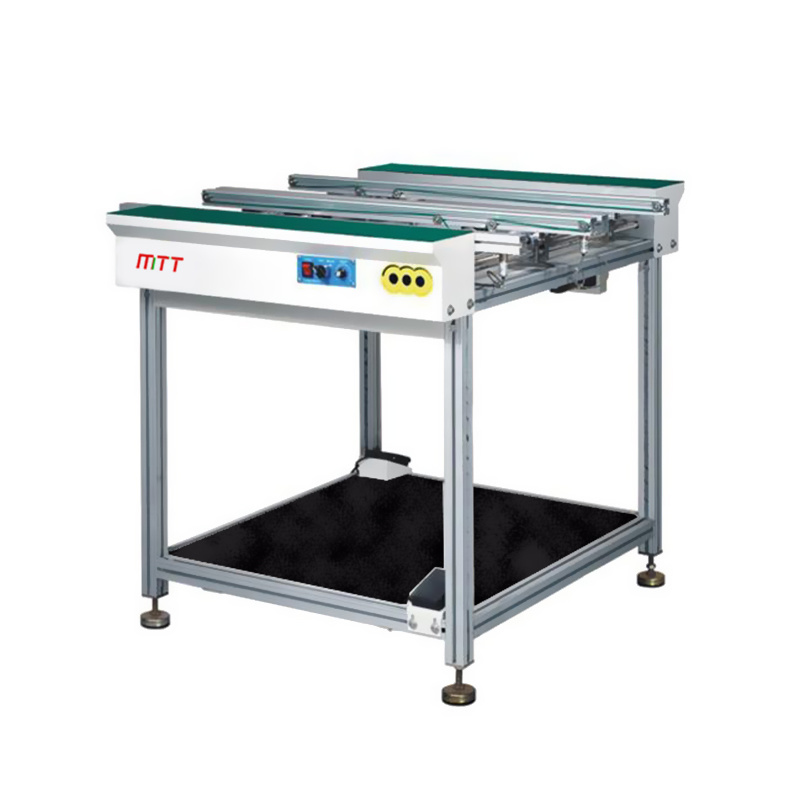
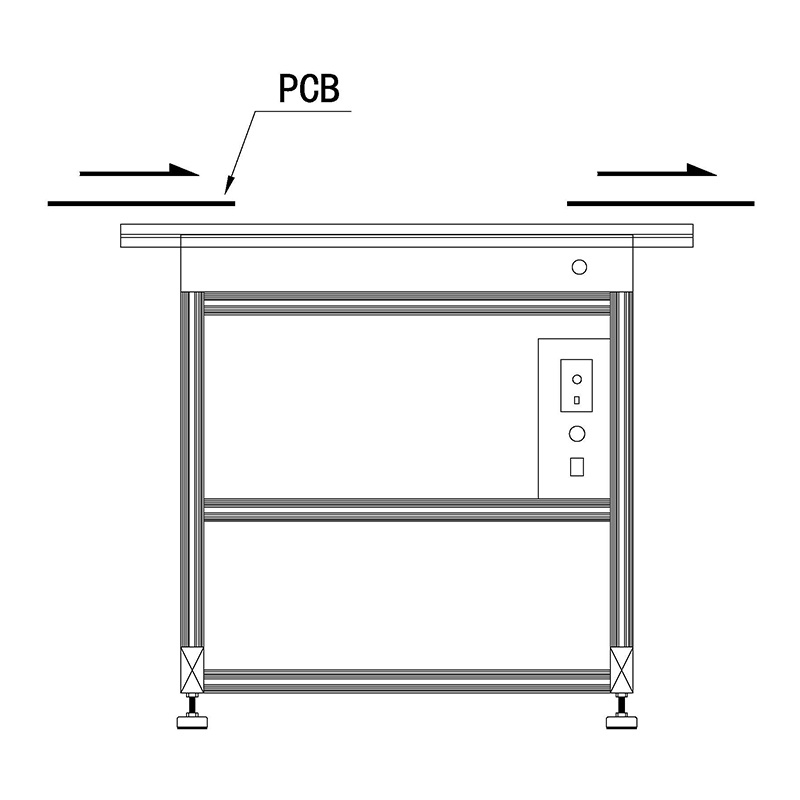
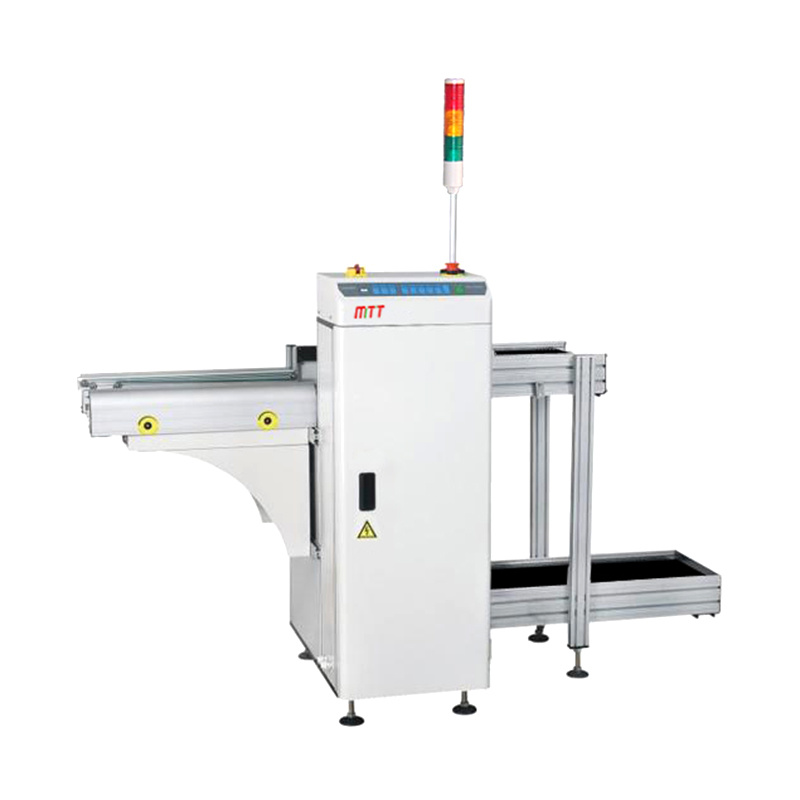
SMT board transport involves the use of specialized conveyor systems designed to handle the delicate nature of these boards. These systems can vary significantly in design and functionality, depending on the specific requirements of the manufacturing process. For instance, some conveyor systems provide a controlled environment to protect the sensitive components on the SMT boards from dust, moisture, and physical damage during transport.
One of the primary benefits of effective SMT board transport is the enhancement of operational efficiency. By utilizing automated conveyor systems, manufacturers can reduce manual handling, minimize the risk of errors, and streamline workflows. This not only speeds up the production process but also significantly lowers labor costs associated with manual transportation of components.
Moreover, advanced SMT board transport systems often incorporate features such as adjustable speeds, modular designs, and integrated inspection stations to ensure quality control throughout the transport process. For example, some systems may include sensors that detect misalignment or damage, allowing for immediate corrective actions to be taken before boards proceed further down the line.
When selecting a conveyor system for SMT board transport, it is essential to consider various factors such as the size and weight of the boards, the production volume, and the specific layout of the manufacturing facility. Additionally, it is crucial to ensure that the conveyor system is compatible with existing equipment and processes to facilitate smooth integration.
Another important aspect to consider is maintenance and reliability. Investing in high-quality conveyor systems designed for SMT board transport can lead to long-term savings by minimizing downtime and ensuring consistent performance. Regular maintenance practices, including cleaning, lubrication, and inspections, are vital to keeping the systems running efficiently.
In summary, the transport of SMT boards is a critical component of modern industrial processes. By leveraging specialized conveyor systems, manufacturers can optimize efficiency, enhance quality control, and ultimately improve their overall productivity. Understanding the nuances of SMT board transport will enable professionals in the industry to make informed decisions that contribute to the success of their manufacturing operations.
SMT board transport involves the use of specialized conveyor systems designed to handle the delicate nature of these boards. These systems can vary significantly in design and functionality, depending on the specific requirements of the manufacturing process. For instance, some conveyor systems provide a controlled environment to protect the sensitive components on the SMT boards from dust, moisture, and physical damage during transport.
One of the primary benefits of effective SMT board transport is the enhancement of operational efficiency. By utilizing automated conveyor systems, manufacturers can reduce manual handling, minimize the risk of errors, and streamline workflows. This not only speeds up the production process but also significantly lowers labor costs associated with manual transportation of components.
Moreover, advanced SMT board transport systems often incorporate features such as adjustable speeds, modular designs, and integrated inspection stations to ensure quality control throughout the transport process. For example, some systems may include sensors that detect misalignment or damage, allowing for immediate corrective actions to be taken before boards proceed further down the line.
When selecting a conveyor system for SMT board transport, it is essential to consider various factors such as the size and weight of the boards, the production volume, and the specific layout of the manufacturing facility. Additionally, it is crucial to ensure that the conveyor system is compatible with existing equipment and processes to facilitate smooth integration.
Another important aspect to consider is maintenance and reliability. Investing in high-quality conveyor systems designed for SMT board transport can lead to long-term savings by minimizing downtime and ensuring consistent performance. Regular maintenance practices, including cleaning, lubrication, and inspections, are vital to keeping the systems running efficiently.
In summary, the transport of SMT boards is a critical component of modern industrial processes. By leveraging specialized conveyor systems, manufacturers can optimize efficiency, enhance quality control, and ultimately improve their overall productivity. Understanding the nuances of SMT board transport will enable professionals in the industry to make informed decisions that contribute to the success of their manufacturing operations.
Related News