

Understanding SMT Line Conveyors: The Backbone of Modern Manufacturing


2026-08-20
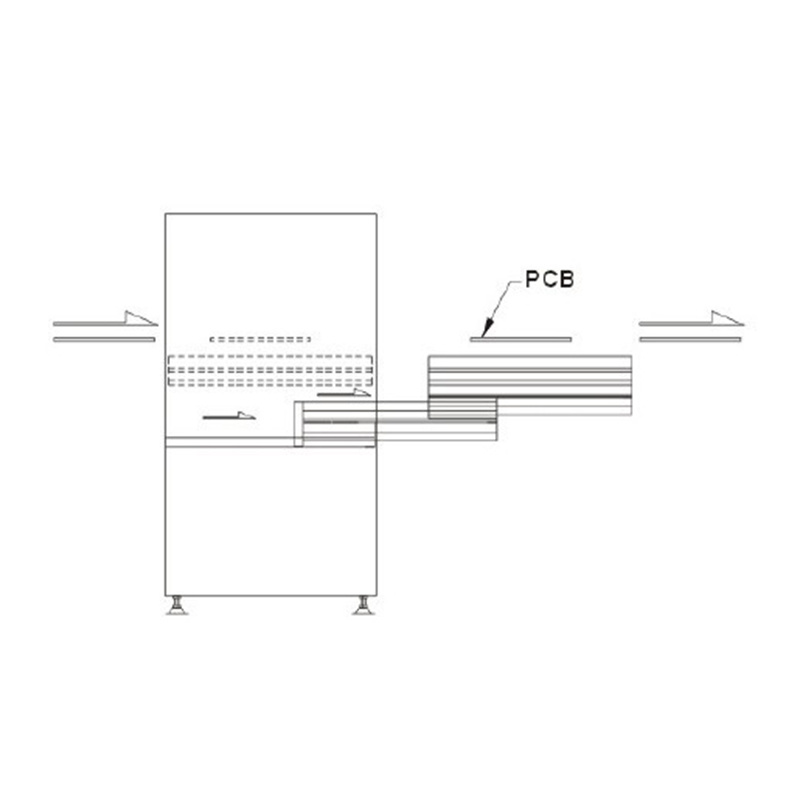
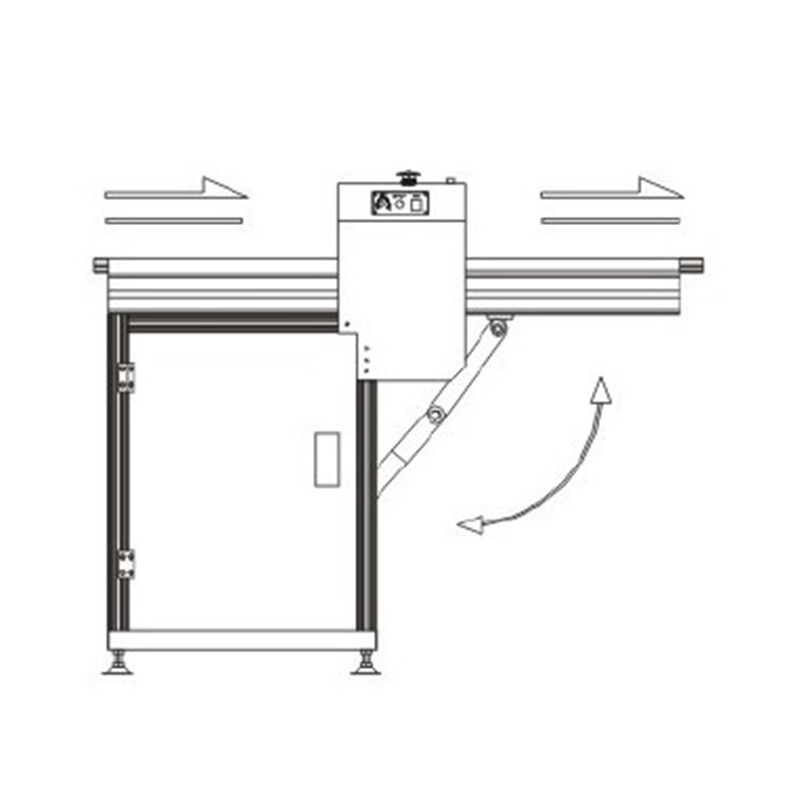
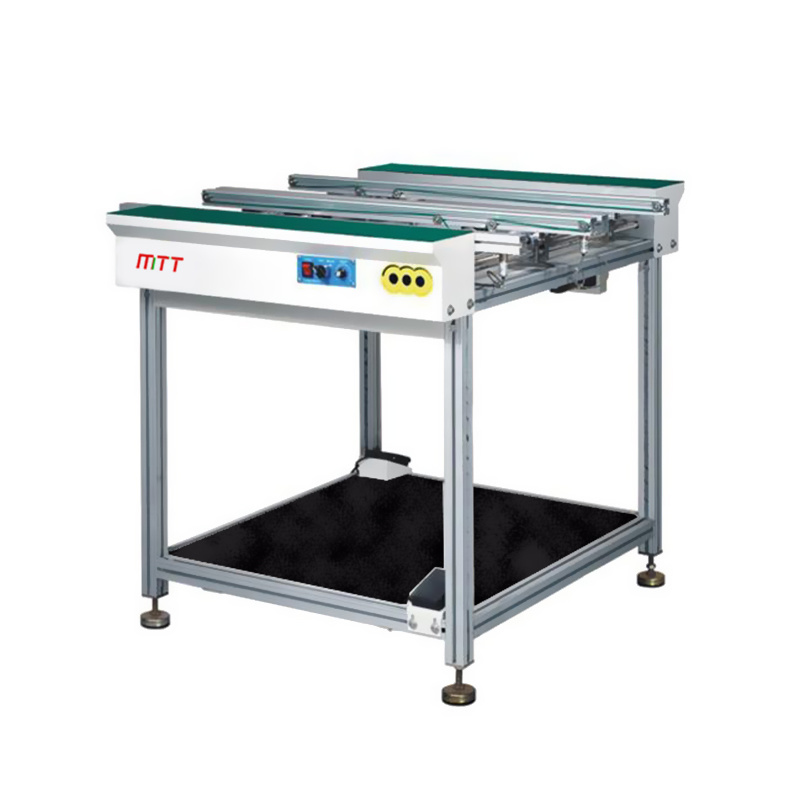
In the realm of industrial equipment and components, especially in the domain of chain and conveyor systems, SMT (Surface Mount Technology) line conveyors have emerged as indispensable tools for optimizing production workflows. These conveyors are specifically designed to transport printed circuit boards (PCBs) efficiently through different stages of manufacturing, including assembly, testing, and inspection.
One of the primary advantages of SMT line conveyors is their ability to provide a seamless flow of materials. In a typical SMT line, various components are assembled on PCBs, and the conveyor system ensures that each board is precisely positioned at the right stage of the process. This automation not only reduces manual handling but also minimizes the risk of errors, thereby enhancing overall product quality.
SMT line conveyors come in various configurations, including modular and fixed designs. Modular systems offer flexibility by allowing manufacturers to scale their production lines according to changing demands. This is particularly beneficial in industries where production volumes can fluctuate significantly. On the other hand, fixed conveyors are often tailored to specific layouts and requirements, providing a robust solution for established manufacturing environments.
Another notable feature of SMT line conveyors is their integration with other automated systems, such as pick-and-place machines and soldering stations. This synergy between different equipment types enables manufacturers to achieve a higher degree of automation, resulting in reduced cycle times and increased throughput. Furthermore, many modern SMT line conveyors are equipped with advanced monitoring systems that provide real-time data on production metrics, helping managers make informed decisions to optimize operations.
The choice of materials used in SMT line conveyors is also critical. Typically constructed from durable materials such as stainless steel or high-grade plastics, these conveyors are designed to withstand the rigors of industrial environments while ensuring smooth movement of boards. Moreover, they are engineered to accommodate varying weights and sizes of PCBs, making them versatile solutions for diverse manufacturing needs.
In conclusion, SMT line conveyors are essential components in the landscape of industrial equipment and conveyor systems. They not only facilitate a smooth production process but also enhance the overall efficiency and quality of manufacturing operations. As industries continue to evolve towards greater automation and precision, the role of SMT line conveyors will undoubtedly become more prominent, driving innovation and productivity in manufacturing sectors worldwide. By understanding the significance of these conveyors, professionals can better appreciate their impact on modern manufacturing processes.
One of the primary advantages of SMT line conveyors is their ability to provide a seamless flow of materials. In a typical SMT line, various components are assembled on PCBs, and the conveyor system ensures that each board is precisely positioned at the right stage of the process. This automation not only reduces manual handling but also minimizes the risk of errors, thereby enhancing overall product quality.
SMT line conveyors come in various configurations, including modular and fixed designs. Modular systems offer flexibility by allowing manufacturers to scale their production lines according to changing demands. This is particularly beneficial in industries where production volumes can fluctuate significantly. On the other hand, fixed conveyors are often tailored to specific layouts and requirements, providing a robust solution for established manufacturing environments.
Another notable feature of SMT line conveyors is their integration with other automated systems, such as pick-and-place machines and soldering stations. This synergy between different equipment types enables manufacturers to achieve a higher degree of automation, resulting in reduced cycle times and increased throughput. Furthermore, many modern SMT line conveyors are equipped with advanced monitoring systems that provide real-time data on production metrics, helping managers make informed decisions to optimize operations.
The choice of materials used in SMT line conveyors is also critical. Typically constructed from durable materials such as stainless steel or high-grade plastics, these conveyors are designed to withstand the rigors of industrial environments while ensuring smooth movement of boards. Moreover, they are engineered to accommodate varying weights and sizes of PCBs, making them versatile solutions for diverse manufacturing needs.
In conclusion, SMT line conveyors are essential components in the landscape of industrial equipment and conveyor systems. They not only facilitate a smooth production process but also enhance the overall efficiency and quality of manufacturing operations. As industries continue to evolve towards greater automation and precision, the role of SMT line conveyors will undoubtedly become more prominent, driving innovation and productivity in manufacturing sectors worldwide. By understanding the significance of these conveyors, professionals can better appreciate their impact on modern manufacturing processes.
Related News