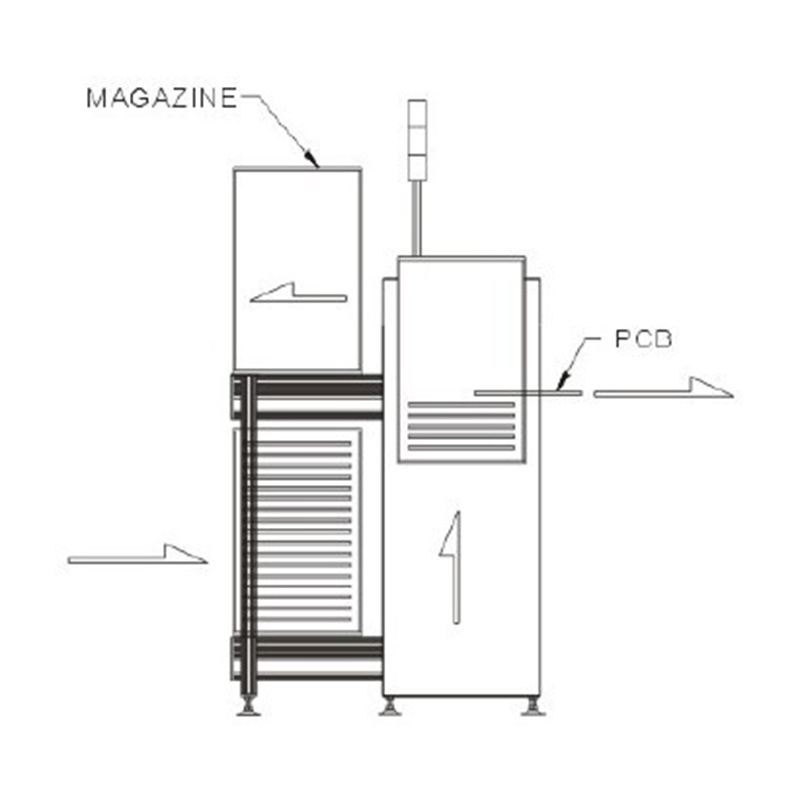


How SMT Transfer Conveyors Facilitate Better Inventory Management


2026-08-15
How SMT Transfer Conveyors Facilitate Better Inventory Management
Introduction to SMT Transfer Conveyors
SMT (Surface Mount Technology) transfer conveyors are specialized conveyor systems designed to transport components and materials within a manufacturing environment. These systems are critical for industries where precision, speed, and efficiency are paramount. By understanding how SMT transfer conveyors function and their impact on inventory management, businesses can enhance operations and achieve significant cost savings.
The Role of Inventory Management in Manufacturing
Effective inventory management is vital for any manufacturing operation. It ensures that the right amount of materials is available at the right time, which in turn helps to meet production schedules and customer demands. Poor inventory management can lead to production delays, increased costs, and lost sales opportunities.
Key Challenges in Traditional Inventory Management
Traditional inventory management methods often involve manual processes that can be inefficient and error-prone. Common challenges include:
- **Inaccurate Inventory Tracking:** Manual counting can lead to discrepancies.
- **Slow Material Handling:** Lengthy retrieval times can stall production.
- **Space Constraints:** Inefficient layouts can limit available storage and workflow.
These challenges illustrate the need for more efficient solutions, such as SMT transfer conveyors.
Understanding SMT Transfer Conveyors
SMT transfer conveyors are designed with several features that enhance their efficiency and adaptability in various manufacturing scenarios. They can be configured to accommodate different layouts, product sizes, and handling requirements.
Types of SMT Transfer Conveyors
Different types of SMT transfer conveyors serve various purposes within a manufacturing environment:
1. **Modular Conveyors:** These are customizable and can be easily reconfigured as production needs change.
2. **Belt Conveyors:** Ideal for transporting a wide range of materials, these conveyors are smooth and gentle on products.
3. **Roller Conveyors:** Suitable for heavier items, roller conveyors facilitate easy movement with minimal effort.
Each type offers unique advantages that can be leveraged based on specific inventory management needs.
Advantages of Using SMT Transfer Conveyors for Inventory Management
Integrating SMT transfer conveyors into inventory management strategies can lead to substantial improvements. Here are some key benefits:
Improved Efficiency and Speed
SMT transfer conveyors significantly speed up the movement of materials within a facility. This increased speed enhances the overall efficiency of the production line, allowing for quicker response times to changes in demand.
Enhanced Accuracy in Inventory Tracking
By automating the transport of materials, SMT transfer conveyors reduce the risk of human error associated with manual handling and inventory counts. Real-time tracking systems can be integrated, providing accurate data on inventory levels and locations.
Space Optimization
SMT transfer conveyors can be designed to fit specific layouts, maximizing floor space. This optimization allows for better organization of materials and products, leading to a more streamlined workflow.
Reduction of Waste and Loss
With better inventory management facilitated by SMT transfer conveyors, businesses can minimize waste and losses. Accurate tracking and efficient handling ensure that materials are used effectively, reducing overstock and obsolescence.
Greater Flexibility and Scalability
As production needs change, SMT transfer conveyors can be reconfigured or expanded without significant downtime. This adaptability allows manufacturers to respond quickly to market demands.
Implementing SMT Transfer Conveyors in Your Facility
Successfully integrating SMT transfer conveyors into your inventory management system requires careful planning and execution.
Assessing Your Needs
Begin by evaluating your current inventory management practices to identify areas for improvement. Consider factors such as:
- Volume of materials handled
- Types of products being transported
- Layout of the manufacturing facility
Choosing the Right Conveyor System
After assessing your needs, select the appropriate SMT transfer conveyor type. Collaborating with a trusted supplier can provide insights into the most suitable options for your specific operations.
Training Staff for Successful Implementation
Staff training is crucial to ensure that employees are familiar with the new conveyor systems. Proper training will enhance operational efficiency and minimize disruptions during the transition.
Case Studies: Success Stories of SMT Transfer Conveyors
Several manufacturers have successfully implemented SMT transfer conveyors into their operations, leading to notable improvements in inventory management.
Case Study 1: Electronics Manufacturer
An electronics manufacturing company faced challenges with slow inventory retrieval and inaccuracies in stock levels. By integrating SMT transfer conveyors, the company improved its inventory tracking by 30% and reduced material handling times by 25%.
Case Study 2: Automotive Parts Supplier
An automotive parts supplier struggled with excessive waste due to overstock and mismanagement. After implementing SMT transfer conveyors, the company achieved a 40% reduction in waste and improved its order fulfillment rate significantly.
Best Practices for Managing Inventory with SMT Transfer Conveyors
To maximize the benefits of SMT transfer conveyors for inventory management, consider these best practices:
Regular Maintenance and Upkeep
Ensure that your SMT transfer conveyors are regularly maintained to prevent downtime. Scheduled inspections and timely repairs are essential for optimal performance.
Utilizing Technology for Tracking
Implement inventory management software that integrates with your SMT transfer conveyors. This technology can provide real-time updates on inventory levels and facilitate better decision-making.
Continuous Training and Development
Encourage ongoing training programs for staff to keep them updated on best practices and new technologies associated with SMT transfer conveyors.
Future Trends in Inventory Management with SMT Transfer Conveyors
As technology continues to advance, the role of SMT transfer conveyors in inventory management is expected to evolve further.
Automation and AI Integration
The future of inventory management may see deeper integration of artificial intelligence and automation into SMT transfer conveyors, allowing for predictive analytics and enhanced decision-making capabilities.
Sustainability Initiatives
With a growing focus on sustainability, manufacturers may implement more eco-friendly conveyor systems and practices that reduce environmental impact while improving efficiency.
FAQs About SMT Transfer Conveyors and Inventory Management
1. What is the primary function of SMT transfer conveyors?
SMT transfer conveyors facilitate the automated movement of materials and components within a manufacturing facility, improving efficiency and accuracy in inventory management.
2. How do SMT transfer conveyors enhance inventory tracking?
By automating material handling, SMT transfer conveyors minimize human error and allow for real-time inventory tracking, leading to more accurate inventory levels.
3. Can SMT transfer conveyors be customized for specific applications?
Yes, SMT transfer conveyors can be tailored to fit unique manufacturing needs, including size, layout, and handling requirements.
4. What are the long-term benefits of implementing SMT transfer conveyors?
Long-term benefits include improved efficiency, reduced waste, enhanced accuracy in inventory management, and greater flexibility to adapt to changing production demands.
5. How can organizations ensure successful integration of SMT transfer conveyors?
Successful integration involves assessing needs, choosing the right conveyor system, training staff, and implementing technology for effective tracking.
Conclusion
Incorporating SMT transfer conveyors into inventory management strategies can significantly enhance operational efficiency and accuracy. By addressing the challenges associated with traditional inventory practices, these advanced systems enable manufacturers to streamline processes, reduce waste, and improve overall productivity. As technology continues to evolve, embracing SMT transfer conveyors will be essential for organizations seeking to thrive in a competitive marketplace.
Related News