

Enhancing Efficiency: The Role of SMT Production Conveyors in Industrial Applications


2025-11-09
In the fast-paced world of manufacturing, efficiency and precision are paramount. One essential component that significantly contributes to these aspects is the SMT (Surface Mount Technology) production conveyor. These specialized conveyors are designed to accommodate the unique requirements of electronic component assembly, making them indispensable in various industrial settings.
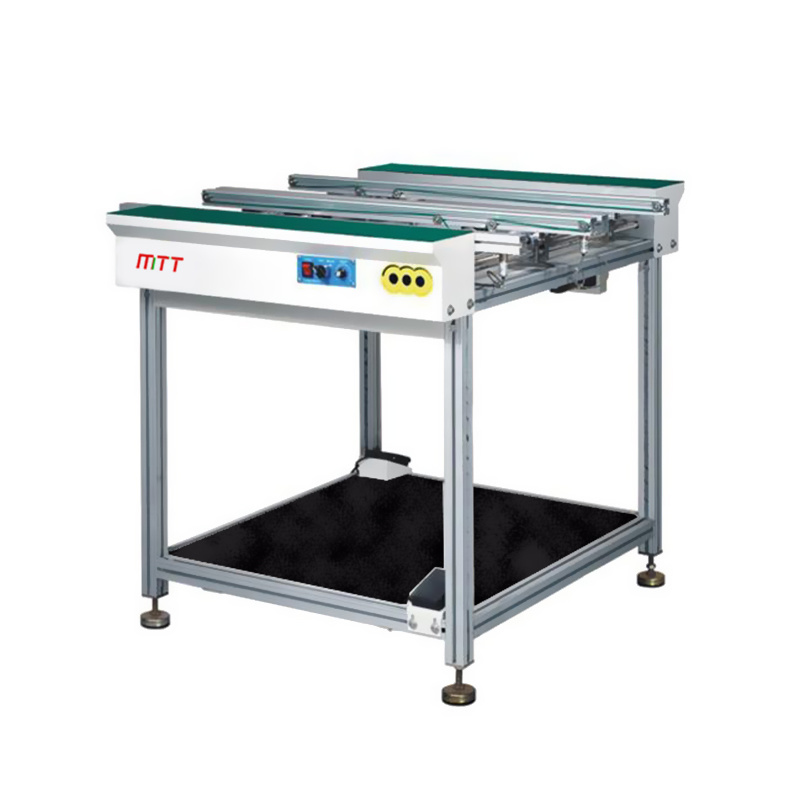
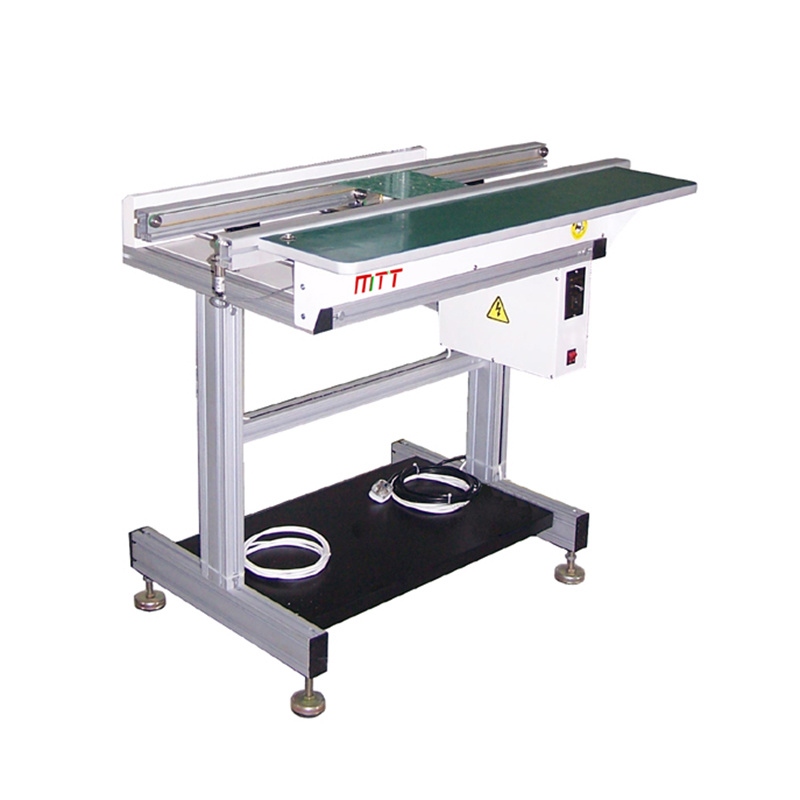
SMT production conveyors are engineered to transport PCBs (Printed Circuit Boards) through different stages of the assembly process, including soldering, inspection, and testing. Their design is tailored to ensure a smooth and uninterrupted flow of material, which is crucial for maintaining high production rates. By reducing handling time and minimizing the risk of damage to delicate components, SMT conveyors play a vital role in enhancing overall workflow efficiency.
One of the key features of SMT production conveyors is their adaptability. These conveyors can be customized to fit specific production lines, allowing for smooth integration with existing equipment. Whether you are working with different sizes of PCBs or require variable speed settings to match the pace of your assembly line, SMT production conveyors can be adjusted to meet your needs. This flexibility not only improves operational efficiency but also contributes to a more streamlined production process.
Another significant advantage of SMT production conveyors is their ability to incorporate advanced technologies. Many modern SMT conveyors come equipped with sensors and automated controls, enabling real-time monitoring and adjustments. This automation leads to reduced labor costs and enhanced accuracy in the placement of electronic components. By minimizing the potential for human error, manufacturers can produce higher quality products while maintaining consistency across production runs.
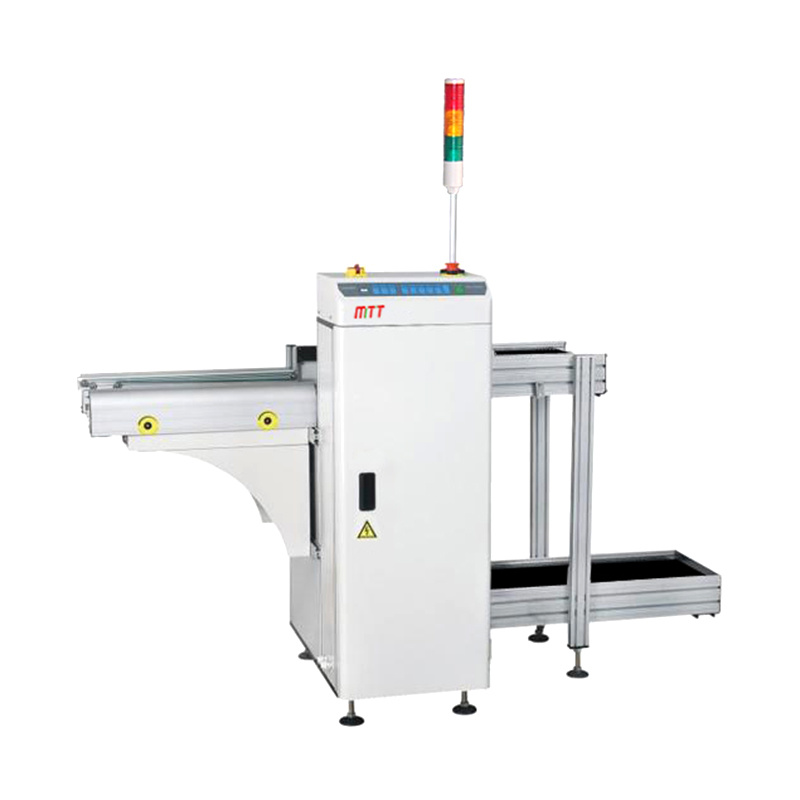
Moreover, SMT production conveyors can be integrated with various additional equipment, such as pick-and-place machines and inspection systems. This integration allows for a seamless transition between different stages of production, further enhancing productivity. By creating a cohesive manufacturing environment, companies can ensure that each process is optimized for speed and accuracy.
In conclusion, SMT production conveyors are an essential element in the realm of industrial equipment, particularly within the electronics manufacturing sector. Their ability to enhance efficiency, adapt to specific production needs, and integrate with advanced technologies makes them invaluable assets for any manufacturer. As industries continue to evolve and demand for precision increases, investing in high-quality SMT production conveyors can significantly impact your production capabilities and overall business success.
SMT production conveyors are engineered to transport PCBs (Printed Circuit Boards) through different stages of the assembly process, including soldering, inspection, and testing. Their design is tailored to ensure a smooth and uninterrupted flow of material, which is crucial for maintaining high production rates. By reducing handling time and minimizing the risk of damage to delicate components, SMT conveyors play a vital role in enhancing overall workflow efficiency.
One of the key features of SMT production conveyors is their adaptability. These conveyors can be customized to fit specific production lines, allowing for smooth integration with existing equipment. Whether you are working with different sizes of PCBs or require variable speed settings to match the pace of your assembly line, SMT production conveyors can be adjusted to meet your needs. This flexibility not only improves operational efficiency but also contributes to a more streamlined production process.
Another significant advantage of SMT production conveyors is their ability to incorporate advanced technologies. Many modern SMT conveyors come equipped with sensors and automated controls, enabling real-time monitoring and adjustments. This automation leads to reduced labor costs and enhanced accuracy in the placement of electronic components. By minimizing the potential for human error, manufacturers can produce higher quality products while maintaining consistency across production runs.
Moreover, SMT production conveyors can be integrated with various additional equipment, such as pick-and-place machines and inspection systems. This integration allows for a seamless transition between different stages of production, further enhancing productivity. By creating a cohesive manufacturing environment, companies can ensure that each process is optimized for speed and accuracy.
In conclusion, SMT production conveyors are an essential element in the realm of industrial equipment, particularly within the electronics manufacturing sector. Their ability to enhance efficiency, adapt to specific production needs, and integrate with advanced technologies makes them invaluable assets for any manufacturer. As industries continue to evolve and demand for precision increases, investing in high-quality SMT production conveyors can significantly impact your production capabilities and overall business success.
Related News