

Unlocking Efficiency: The Comprehensive Benefits of SMT Conveyors in Modern Manufacturing


2025-11-08
Exploring the Benefits of SMT Conveyors in Manufacturing
Manufacturing processes have transformed significantly over the years, and one of the most notable advancements has been the integration of **Surface Mount Technology (SMT)** conveyors. These machines play a crucial role in streamlining operations, enhancing productivity, and ensuring product quality. In this article, we will delve deeply into the numerous benefits of SMT conveyors, showcasing how they can revolutionize your manufacturing processes.
Table of Contents
1. Introduction to SMT Conveyors
2. Key Benefits of Using SMT Conveyors
2.1 Enhanced Efficiency and Productivity
2.2 Improved Product Quality and Consistency
2.3 Cost-Effectiveness and Resource Management
2.4 Flexibility and Adaptability in Operations
2.5 Space Optimization in Manufacturing Facilities
3. How SMT Conveyors Work
3.1 Components of SMT Conveyors
3.2 Integration with Other Manufacturing Systems
4. Applications of SMT Conveyors in Different Industries
4.1 Electronics Manufacturing
4.2 Automotive Industry
4.3 Consumer Goods Production
5. Maintenance and Longevity of SMT Conveyors
5.1 Regular Maintenance Practices
5.2 Troubleshooting Common Issues
6. Future Trends in SMT Conveyor Technology
7. FAQs About SMT Conveyors
8. Conclusion
1. Introduction to SMT Conveyors
SMT conveyors are specialized systems designed to transport electronic components during the manufacturing process. They are a vital component in modern production lines, particularly in the electronics sector, where precision and speed are paramount. By facilitating efficient movement from one manufacturing stage to the next, SMT conveyors help maintain a seamless workflow, minimizing downtime and maximizing output.
2. Key Benefits of Using SMT Conveyors
2.1 Enhanced Efficiency and Productivity
One of the most significant advantages of SMT conveyors is their ability to enhance efficiency within manufacturing processes. By automating the transportation of components, companies can reduce the time spent on manual handling, which often leads to delays and errors. With faster processing times and reduced labor requirements, manufacturers can significantly increase their **overall productivity**, leading to higher output and profitability.
2.2 Improved Product Quality and Consistency
Quality control is a critical concern in manufacturing, particularly in sectors like electronics, where even minor defects can lead to significant losses. SMT conveyors contribute to improved product quality by ensuring that components move smoothly and safely through the production line. By minimizing the risk of damage during transport, manufacturers can achieve higher levels of **consistency** in their products, thus enhancing customer satisfaction.
2.3 Cost-Effectiveness and Resource Management
Investing in SMT conveyors can lead to substantial cost savings for manufacturers. By streamlining processes and reducing the need for manual labor, companies can lower operational costs. Moreover, SMT conveyors are designed to operate efficiently, often consuming less energy compared to traditional systems. This **cost-effectiveness** allows businesses to allocate resources more strategically, optimizing their overall operations.
2.4 Flexibility and Adaptability in Operations
In today’s fast-paced manufacturing environment, flexibility is essential. SMT conveyors can be easily integrated into existing production lines and can be adapted to handle various types and sizes of components. This adaptability allows manufacturers to respond to changing market demands quickly and efficiently, ensuring they remain competitive in an ever-evolving landscape.
2.5 Space Optimization in Manufacturing Facilities
Manufacturing facilities often struggle with space constraints. SMT conveyors can be strategically designed to fit into limited areas, allowing manufacturers to optimize their layout. With the ability to configure conveyor systems in various ways—such as utilizing vertical space—companies can maximize their operational efficiency while minimizing wasted floor space.
3. How SMT Conveyors Work
Understanding the mechanics of SMT conveyors is crucial for manufacturers looking to implement or upgrade their systems.
3.1 Components of SMT Conveyors
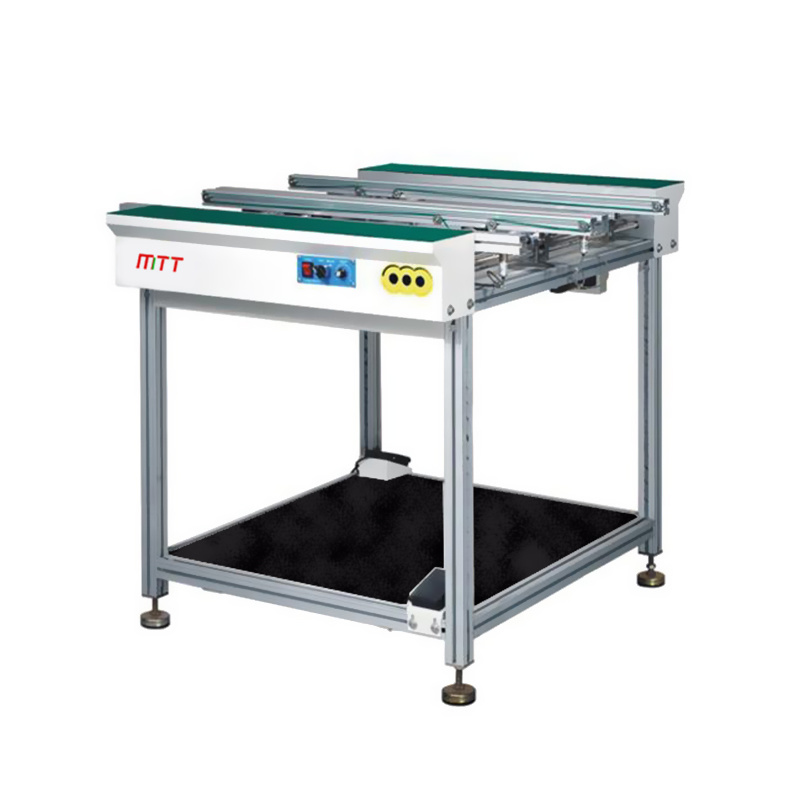
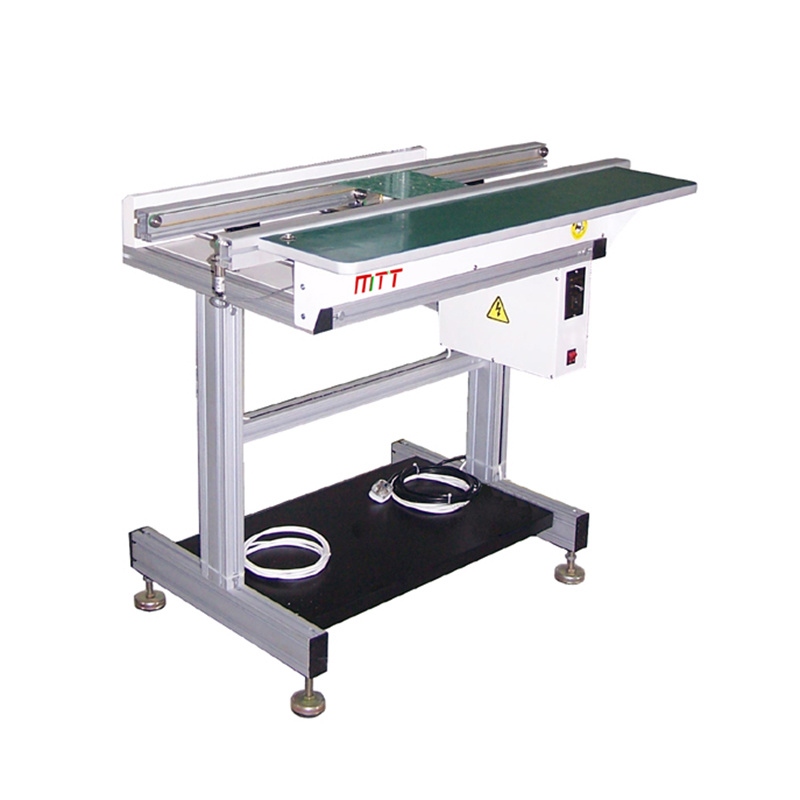
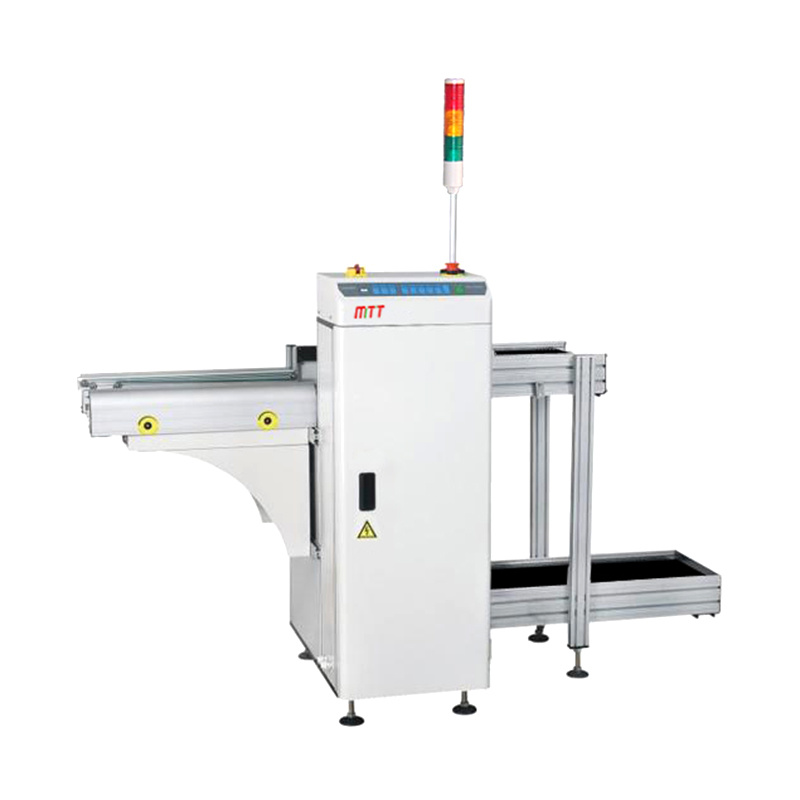
SMT conveyors consist of several key components, including:
- **Conveyor belts:** Designed to transport components seamlessly through the production line.
- **Sensors:** Used to monitor the movement and position of components, ensuring accurate processing.
- **Control systems:** Facilitate the overall operation of the conveyor, allowing for adjustable speeds and integration with other machinery.
3.2 Integration with Other Manufacturing Systems
SMT conveyors can be integrated with various manufacturing systems, such as soldering machines and testing equipment. This integration allows for a more cohesive production process, where components can be transported from one machine to another without manual intervention, enhancing efficiency and reducing the likelihood of human error.
4. Applications of SMT Conveyors in Different Industries
SMT conveyors are utilized across multiple sectors, showcasing their versatility and effectiveness.
4.1 Electronics Manufacturing
In the electronics industry, SMT conveyors are indispensable. They facilitate the rapid transport of printed circuit boards (PCBs) and other components, ensuring that the assembly process is both efficient and reliable. This sector relies heavily on the precision and speed that SMT conveyors provide to maintain product quality.
4.2 Automotive Industry
Automotive manufacturing also benefits from SMT conveyors. These systems are used to transport various components and assemblies, allowing for streamlined production lines that enhance both speed and safety. The ability to quickly adapt conveyor systems to handle different products makes SMT conveyors particularly valuable in this industry.
4.3 Consumer Goods Production
SMT conveyors are increasingly being adopted in the consumer goods sector, where they help move products through various stages of production, from assembly to packaging. Their flexibility allows manufacturers to optimize their processes and respond to consumer demands swiftly.
5. Maintenance and Longevity of SMT Conveyors
To maximize the benefits of SMT conveyors, manufacturers must prioritize maintenance and care.
5.1 Regular Maintenance Practices
Routine maintenance is crucial for ensuring the longevity of SMT conveyors. Regularly checking components for wear and tear, lubricating moving parts, and ensuring sensors are functioning correctly can prevent costly downtime and extend the lifespan of the system.
5.2 Troubleshooting Common Issues
Understanding common issues that may arise with SMT conveyors can help manufacturers address problems proactively. This includes recognizing unusual noises, misalignment of components, and sensor malfunctions. Having a troubleshooting guide can aid maintenance personnel in quickly resolving these issues, minimizing disruption to production.
6. Future Trends in SMT Conveyor Technology
As technology evolves, so too does the design and functionality of SMT conveyors. Future trends include:
- **Increased automation:** More manufacturers are integrating smart technologies that allow for real-time monitoring and adjustments.
- **Sustainability initiatives:** There is a growing push towards eco-friendly conveyor systems that consume less energy and use recyclable materials.
- **Enhanced connectivity:** The Internet of Things (IoT) is enabling greater connectivity between conveyor systems and other manufacturing equipment, facilitating even more efficient operations.
7. FAQs About SMT Conveyors
What are SMT conveyors?
SMT conveyors are specialized systems designed to transport electronic components seamlessly through the manufacturing process.
How do SMT conveyors improve manufacturing efficiency?
By automating the transportation of components, SMT conveyors reduce manual handling time and enhance overall productivity.
What industries use SMT conveyors?
SMT conveyors are widely used in electronics, automotive, and consumer goods manufacturing, among other sectors.
What maintenance is required for SMT conveyors?
Regular maintenance includes checking for wear and tear, lubricating moving parts, and ensuring sensors function correctly.
What future advancements can we expect in SMT conveyor technology?
Expect increased automation, sustainability initiatives, and enhanced connectivity through IoT in SMT conveyor systems.
8. Conclusion
The integration of SMT conveyors into manufacturing processes offers numerous benefits, including enhanced efficiency, improved product quality, cost-effectiveness, and adaptability. As industries continue to evolve, investing in SMT conveyor technology will become increasingly essential for businesses aiming to remain competitive. By understanding the functionalities and advantages of SMT conveyors, manufacturers can optimize their production lines, achieve higher levels of productivity, and ultimately drive success in their operations. Embracing this technology is not just a trend; it’s a strategic move towards a more efficient and profitable future in manufacturing.
Related News