

Comparing Different Types of SMT Loaders: Which One is Right for You?


2026-09-04
Understanding SMT Loaders: An Essential Overview
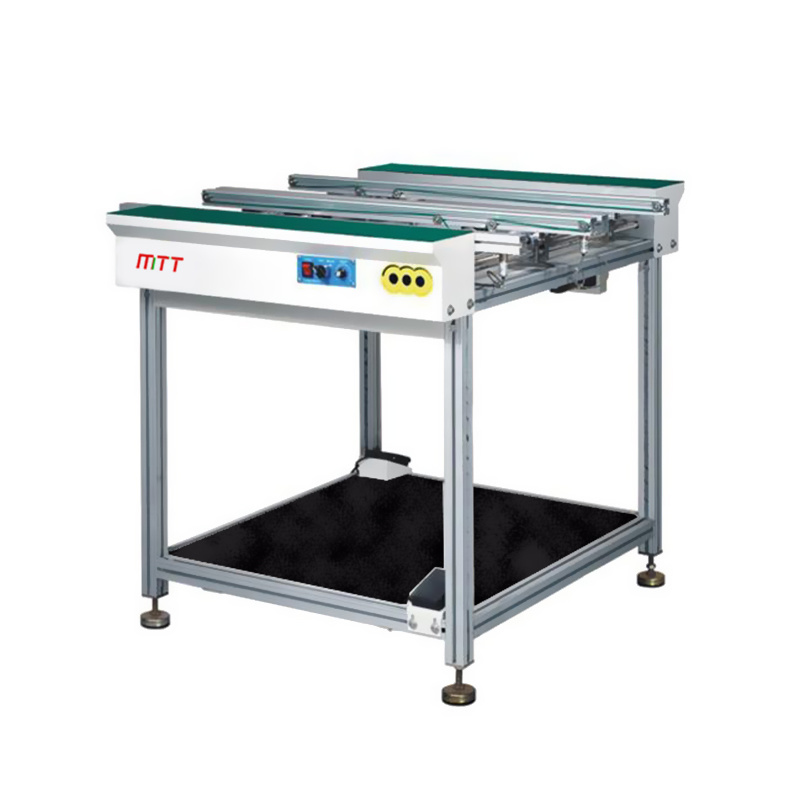
Surface Mount Technology (SMT) loaders play a crucial role in the electronics manufacturing process. These machines facilitate the loading of components onto PCBs (Printed Circuit Boards) before soldering. Different types of SMT loaders exist, each tailored to specific manufacturing requirements. This article delves into the various types of SMT loaders available, helping you determine which one aligns best with your operational needs.
The Importance of Choosing the Right SMT Loader
Selecting the appropriate SMT loader is vital for enhancing production efficiency, reducing errors, and ultimately delivering high-quality electronic products. The right loader can improve the speed of your manufacturing process, lower labor costs, and increase overall productivity.
Types of SMT Loaders: A Comparative Analysis
When it comes to SMT loaders, there are several categories to consider. Here, we explore the different types, their features, and applications.
1. Manual SMT Loaders
Manual SMT loaders are the simplest form of loading equipment. They require an operator to place components onto the PCB manually.
Advantages of Manual SMT Loaders
- **Low initial cost**: Manual loaders are cost-effective for small-scale operations or startups.
- **Simplicity**: Easy to operate and maintain, making them suitable for less complex assemblies.
Disadvantages of Manual SMT Loaders
- **Labor-intensive**: Requires skilled labor to ensure accuracy and efficiency.
- **Lower throughput**: Not suited for high-volume production environments.
2. Semi-Automatic SMT Loaders
Semi-automatic SMT loaders bridge the gap between manual and fully automatic systems. Operators still play a role, but machines assist in the loading process.
Advantages of Semi-Automatic SMT Loaders
- **Enhanced efficiency**: Operators can load components faster with machine assistance.
- **Versatility**: Ideal for medium-scale production, balancing cost and speed.
Disadvantages of Semi-Automatic SMT Loaders
- **Higher cost than manual loaders**: While more efficient, initial investment is greater.
- **Operator dependency**: Still requires skilled labor for operation.
3. Fully Automatic SMT Loaders
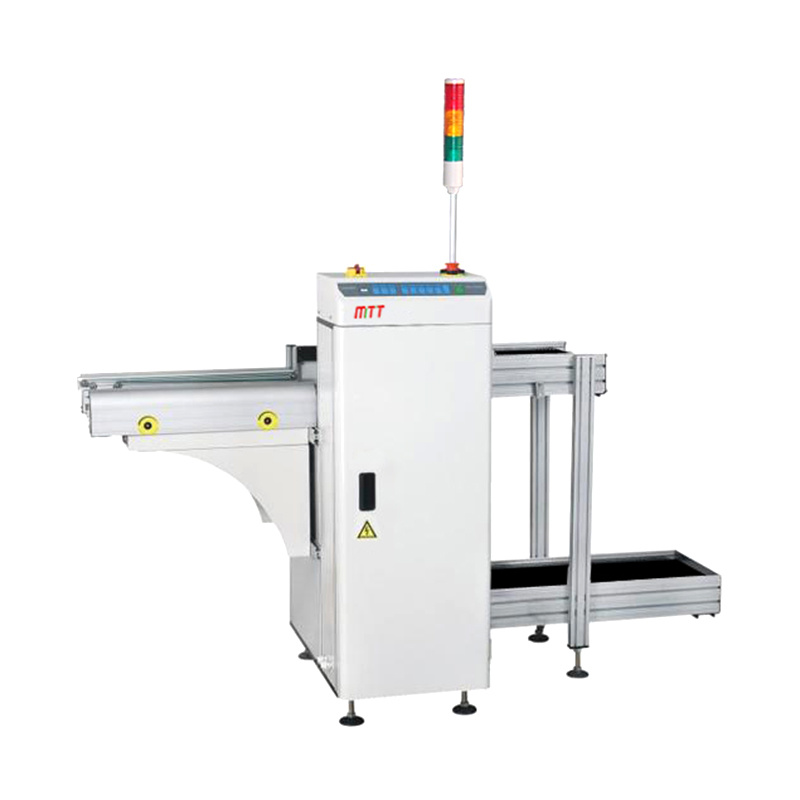
Fully automatic SMT loaders are advanced machines designed for high-speed, high-volume production environments. They utilize sophisticated technology to load components without human intervention.
Advantages of Fully Automatic SMT Loaders
- **High throughput**: Capable of handling large volumes of production with minimal downtime.
- **Precision and accuracy**: Reduces the likelihood of human error during the loading process.
Disadvantages of Fully Automatic SMT Loaders
- **Significant initial investment**: These loaders are more expensive than manual and semi-automatic options.
- **Complex maintenance**: May require specialized technicians for repairs and upkeep.
4. Bulk SMT Loaders
Bulk SMT loaders are designed to handle large quantities of components efficiently. They are particularly beneficial for high-volume manufacturing.
Advantages of Bulk SMT Loaders
- **Optimal for mass production**: Capable of loading multiple components simultaneously, saving time.
- **Cost-effective for large operations**: Reduced labor costs due to high automation levels.
Disadvantages of Bulk SMT Loaders
- **Space requirements**: May require more floor space due to their size.
- **Limited flexibility**: Not suitable for small production runs or diverse product lines.
Key Considerations for Choosing an SMT Loader
When selecting an SMT loader, several factors should guide your decision-making process.
1. Production Volume
Assess your production volume needs. For low to medium volumes, manual or semi-automatic loaders might be sufficient. In contrast, high-volume operations will benefit from fully automatic or bulk loaders.
2. Cost vs. Budget
Evaluate your budget. While fully automatic loaders are typically more expensive, consider the long-term savings in labor and increased productivity.
3. Space Availability
Consider the available space in your facility. Ensure that the SMT loader you select fits comfortably within your production environment.
4. Component Types and Sizes
Different loaders accommodate various component sizes and types. Ensure the loader chosen can handle the specific components you work with regularly.
5. Future Growth and Scalability
Think about your future needs. If you anticipate growth, investing in a scalable solution that can adapt to increasing production demands is wise.
Maintaining Your SMT Loader: Best Practices
Proper maintenance of your SMT loader ensures longevity and optimal performance. Here are some best practices to follow:
1. Regular Cleaning
Dust and debris can accumulate in the machine, affecting its performance. Schedule regular cleaning sessions to keep the loader in optimal working condition.
2. Routine Inspections
Conduct regular inspections to identify potential issues before they become significant problems. Check for wear and tear on parts, and replace them as needed.
3. Calibration and Adjustments
Ensure that the loader is accurately calibrated to avoid defects in the loading process. Regularly adjust settings according to the specific components being used.
4. Training for Operators
Invest in training for operators to ensure they understand how to use and maintain the loader properly. Well-trained staff can prevent many common operational issues.
Frequently Asked Questions (FAQs)
1. What is an SMT loader?
An SMT loader is a machine used to automatically or manually place components onto printed circuit boards before the soldering process.
2. How do I choose the right SMT loader for my business?
Consider factors like production volume, budget, available space, component types, and future growth when selecting an SMT loader.
3. What are the advantages of fully automatic SMT loaders over manual loaders?
Fully automatic loaders provide higher throughput, precision, and reduced labor dependency, making them suitable for high-volume production.
4. Are manual SMT loaders still relevant in today's manufacturing environment?
Yes, manual SMT loaders can be beneficial for small-scale operations and prototyping, offering a cost-effective solution.
5. How can I maintain my SMT loader effectively?
Regular cleaning, routine inspections, calibration, and operator training are essential for maintaining your SMT loader's performance and longevity.
Conclusion
Choosing the right SMT loader is a pivotal decision that can significantly impact your manufacturing efficiency and product quality. By understanding the various types of loaders available and their respective advantages and disadvantages, you can make an informed decision that aligns with your operational needs. Whether you opt for a manual, semi-automatic, fully automatic, or bulk SMT loader, proper maintenance and training will ensure longevity and optimal performance in your production processes. Embrace the future of manufacturing technology by selecting the SMT loader that best fits your business strategy and goals.
Related News