

SMT Loading Machines Explained: Essential Insights for Efficiency and Performance


2026-07-16
SMT Loading Machines Explained: What You Need to Know
Understanding SMT Loading Machines
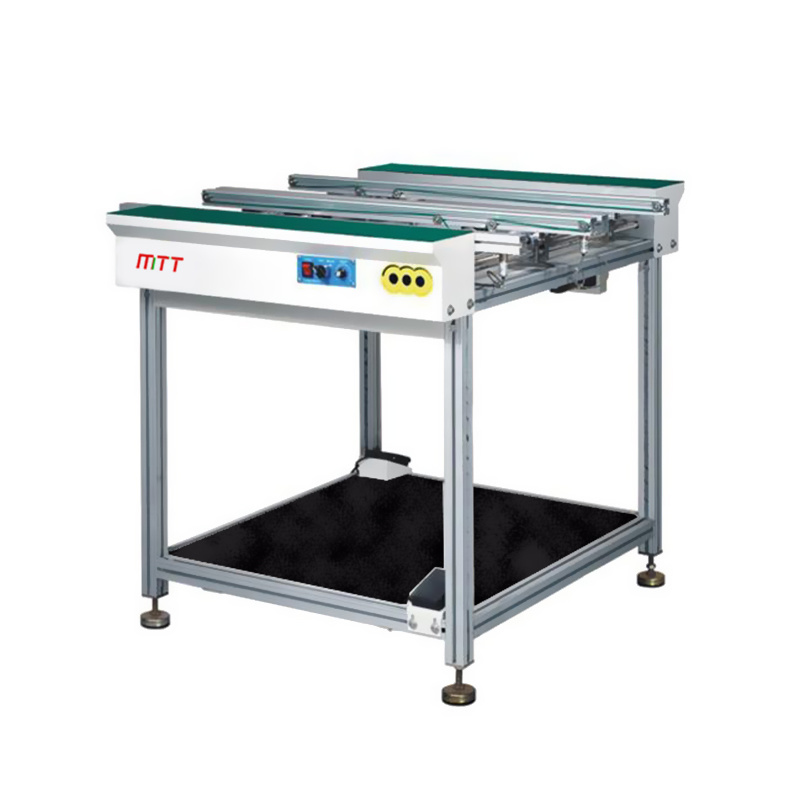
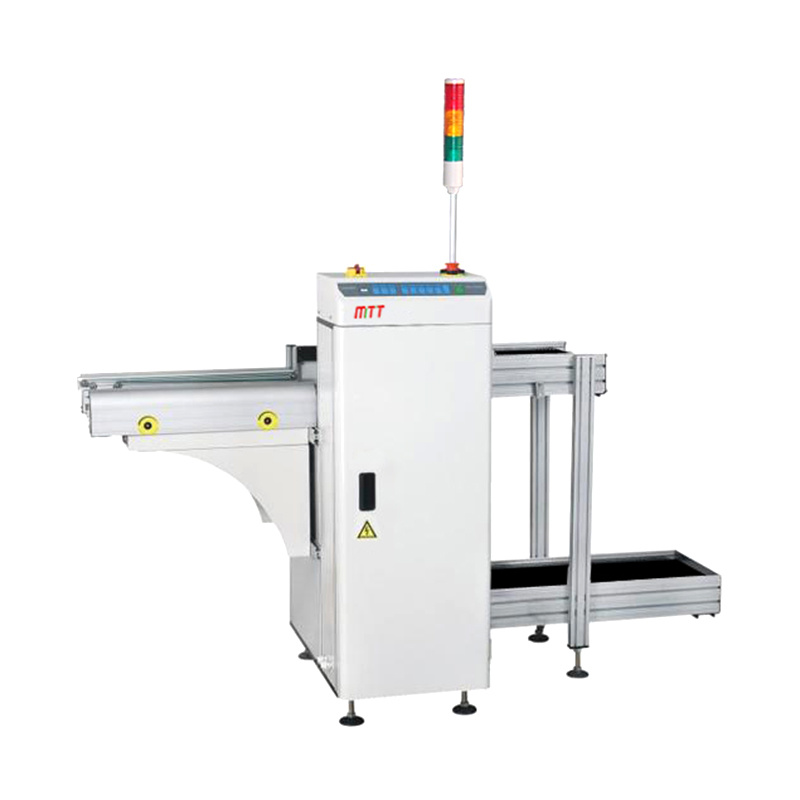
SMT (Surface Mount Technology) loading machines play a pivotal role in the electronics manufacturing industry. They serve as the bridge between the preparation of printed circuit boards (PCBs) and the assembly process, ensuring that components are loaded onto the boards with precision and efficiency. These machines are vital for achieving high productivity in the manufacturing process.
The Functionality of SMT Loading Machines
At their core, SMT loading machines are designed to automatically place components onto a PCB. They utilize advanced technology to minimize human error and speed up the assembly process. The loading machines can handle a variety of components, from small resistors to larger integrated circuits (ICs).
Key Components of SMT Loading Machines
Understanding the components that make up SMT loading machines is essential for grasping their functionality. Here are some of the key components:
- Feeder Systems: These systems hold the components and feed them into the machine, ensuring a continuous supply during operation.
- Placement Heads: These heads are responsible for picking up components and placing them on the PCB. They can be equipped with multiple nozzles for increased efficiency.
- Vision Systems: Advanced machines are equipped with vision systems that inspect components for accurate placement, ensuring quality control.
- Control Systems: The control systems manage the operation of the machine, programming the sequence of movements and placements.
Types of SMT Loading Machines
SMT loading machines come in various types, each suited for specific manufacturing needs. Here are the primary categories:
1. Manual Loading Machines
Manual loading machines require operators to load components manually. While they are less expensive, they are more time-consuming and prone to human error.
2. Semi-Automatic Loading Machines
Semi-automatic machines streamline the loading process by allowing operators to input components while the machine handles movement and placement.
3. Fully Automatic Loading Machines
Fully automatic machines are the most advanced, capable of loading, placing, and even inspecting components without human intervention. They are ideal for high-volume production.
4. Multi-Functional Loading Machines
These machines combine various functions, such as loading, soldering, and inspection, into one unit, providing a comprehensive solution for manufacturers.
Advantages of SMT Loading Machines
Utilizing SMT loading machines comes with numerous advantages that can enhance your manufacturing process:
1. Increased Efficiency
The automation of component loading drastically reduces the time taken in the assembly process, allowing for faster production cycles.
2. Improved Accuracy
With advanced vision systems and precise placement mechanisms, SMT loading machines significantly reduce the chances of errors, leading to higher quality products.
3. Cost-Effectiveness
While the initial investment might be substantial, the long-term savings on labor costs and reduced waste make SMT loading machines an economically sound choice.
4. Scalability
As production demands grow, SMT loading machines can be easily scaled up to accommodate increased workloads without the need for extensive manual labor.
Choosing the Right SMT Loading Machine
Selecting the appropriate SMT loading machine involves several factors that can influence your manufacturing efficiency:
1. Production Volume
For high-volume production, fully automatic machines are often the best choice, while lower volumes may be well-served by semi-automatic or manual options.
2. Component Variety
Consider the types and sizes of components you will be using. Some machines are better suited for specific component types, so ensure compatibility.
3. Budget Constraints
Your budget will largely dictate the type of machine you can invest in. While fully automatic machines offer extensive features, they may exceed budget limitations.
4. Future Expansion Plans
Anticipate future production needs. Investing in a machine that allows for upgrades or expansions can be beneficial for growing operations.
Best Practices for Operating SMT Loading Machines
To ensure optimal performance and longevity of SMT loading machines, consider the following best practices:
1. Regular Maintenance
Establish a routine maintenance schedule to keep the machines in top condition. Regular inspections can prevent costly breakdowns and extend the life of the equipment.
2. Operator Training
Invest in comprehensive training for operators. A well-trained workforce can effectively manage the machines, troubleshoot issues, and maximize productivity.
3. Quality Control Checks
Implement regular quality control checks throughout the production process to ensure that components are placed accurately and meet quality standards.
4. Software Updates
Keep the machine's software up to date. Manufacturers often release updates that enhance functionality and address any bugs that may arise.
Common Issues and Solutions for SMT Loading Machines
Even with the best machines, issues may arise during operation. Here are some common problems and their solutions:
1. Component Jamming
Component jamming can occur due to misalignment or improper feeding. Regularly check feeder systems and ensure that components are correctly loaded.
2. Inaccurate Placement
If components are not placed accurately, it may be due to calibration issues. Regular calibration of the machine can help mitigate this problem.
3. Software Glitches
Software issues can disrupt operations. It is essential to have IT support available for quick resolution and to perform routine software maintenance.
4. Wear and Tear
Over time, parts may wear out. Keeping a stock of commonly replaced parts can minimize downtime during repairs.
Future Trends in SMT Loading Machines
The SMT loading machine industry is continuously evolving. Here are some trends to watch for:
1. Increased Automation
Machines are becoming more automated, with AI and machine learning integrated into their operation for better decision-making and efficiency.
2. Enhanced Vision Systems
Advancements in vision technology will continue to improve accuracy in component placement, resulting in higher quality products.
3. Eco-Friendly Solutions
With a growing focus on sustainability, manufacturers are developing machines that utilize less energy and produce less waste.
4. Industry 4.0 Integration
The integration of IoT (Internet of Things) technologies will enable real-time monitoring and data analytics, allowing for smarter manufacturing processes.
FAQs About SMT Loading Machines
1. What is the primary purpose of SMT loading machines?
The primary purpose of SMT loading machines is to automate the process of placing electronic components onto printed circuit boards, enhancing efficiency and accuracy in manufacturing.
2. How do I choose the right SMT loading machine for my needs?
Consider factors such as production volume, component variety, budget, and future expansion plans to select the right SMT loading machine.
3. What maintenance is required for SMT loading machines?
Routine maintenance includes cleaning, calibration, and inspections of parts to ensure optimal performance and longevity of the machine.
4. Are fully automatic SMT loading machines worth the investment?
Yes, fully automatic machines can significantly increase productivity and reduce labor costs, making them a worthwhile investment for high-volume manufacturing.
5. Can SMT loading machines handle different types of components?
Most SMT loading machines can handle various component types, but it's essential to choose a machine that is compatible with your specific components.
Conclusion
In summary, SMT loading machines are indispensable in modern electronics manufacturing, providing unparalleled efficiency and accuracy in component placement. Understanding their functionality, types, and best practices can empower manufacturers to optimize their production processes. By investing in the right machine and adhering to maintenance protocols, companies can not only enhance their output but also ensure the quality of their products in an increasingly competitive market. As technology continues to evolve, staying informed about trends and innovations will further aid manufacturers in achieving operational excellence.
Related News