

Essential Maintenance Tips for Your SMT Board Transport Equipment


2026-05-30
Essential Maintenance Tips for Your SMT Board Transport Equipment
Table of Contents
- 1. Introduction to SMT Board Transport Equipment
- 2. Importance of Regular Maintenance
- 3. Common Types of SMT Transport Equipment
- 4. Essential Maintenance Tips
- 4.1. Regular Cleaning Procedures
- 4.2. Proper Lubrication of Moving Parts
- 4.3. Component Inspection and Replacement
- 4.4. Conducting Alignment Checks
- 4.5. Importance of Software Updates
- 5. Troubleshooting Common Issues
- 6. Safety Considerations During Maintenance
- 7. When to Seek Professional Maintenance Services
- 8. Conclusion
- 9. FAQs
1. Introduction to SMT Board Transport Equipment
In the field of electronics manufacturing, Surface Mount Technology (SMT) board transport equipment plays a pivotal role in the assembly process. These systems facilitate the efficient movement of printed circuit boards (PCBs) through various stages of production, ensuring high productivity and minimal downtime. However, to maintain an optimal level of performance and efficiency, regular maintenance is essential.
This article provides **detailed maintenance tips** to help you extend the life of your SMT board transport equipment while maximizing productivity and minimizing repair costs.
2. Importance of Regular Maintenance
Regular maintenance of SMT board transport equipment is crucial for several reasons:
- **Increased Equipment Lifespan**: Consistent maintenance can prevent wear and tear, extending the life of your machinery.
- **Improved Performance**: Well-maintained equipment operates more efficiently, reducing cycle times and enhancing production output.
- **Reduced Downtime**: Proactive maintenance minimizes unexpected breakdowns, which can disrupt production schedules and lead to costly delays.
- **Enhanced Safety**: Regular checks can identify potential hazards, ensuring a safer working environment for employees.
3. Common Types of SMT Transport Equipment
To implement effective maintenance practices, it is essential to understand the various types of SMT board transport equipment commonly used in the industry:
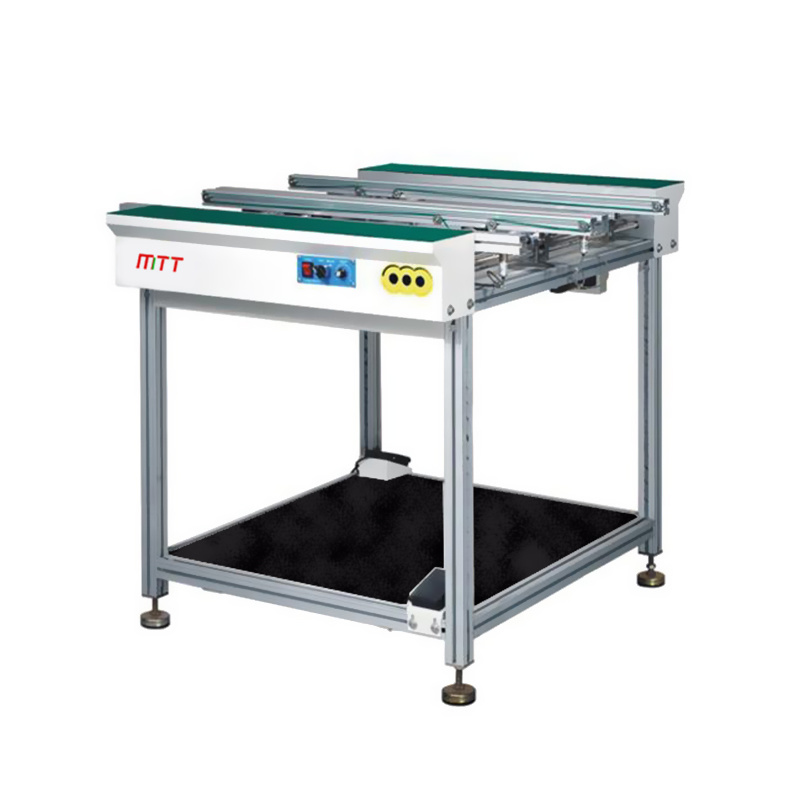
- **Conveyor Systems**: Automated belts and rollers that move PCBs between stations.
- **SMT Handlers**: Machines that pick and place components onto PCBs for assembly.
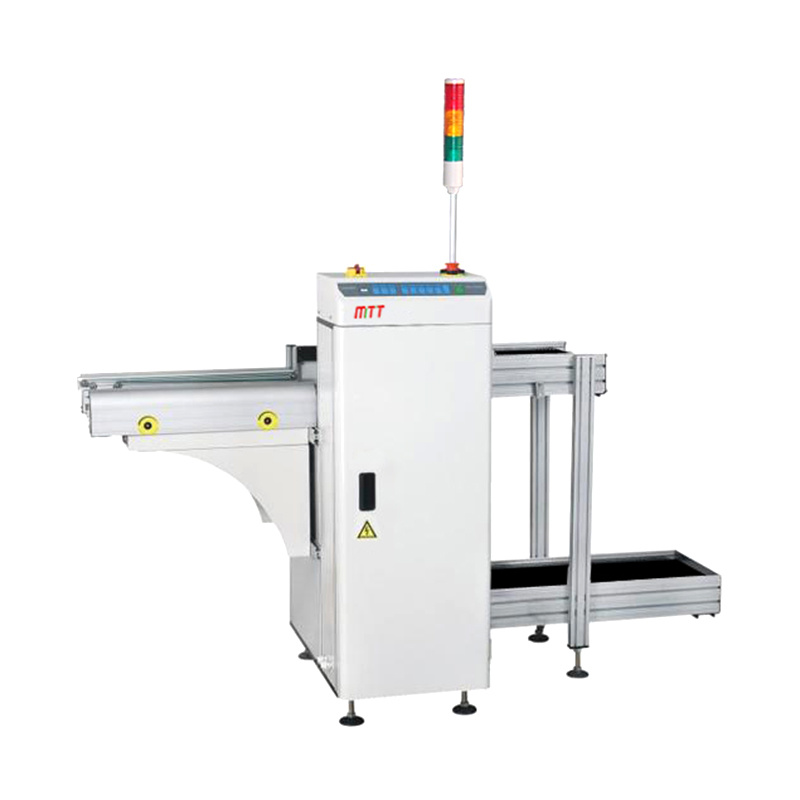
- **Stackers and Destackers**: Equipment designed for handling stacks of PCBs to facilitate efficient sorting and transportation.
- **Vision Systems**: Integrated cameras that inspect and verify the quality of PCBs as they move through the production line.
Each type of equipment has its own maintenance requirements, which we will delve into in the following sections.
4. Essential Maintenance Tips
To ensure the longevity and performance of your SMT board transport equipment, consider implementing the following maintenance tips:
4.1. Regular Cleaning Procedures
**Cleaning** should be a fundamental part of your maintenance routine. Dust, debris, and residue can accumulate over time, impairing the functionality of your equipment. Here are some cleaning tips:
- **Daily Cleaning**: Conduct a thorough cleaning of conveyor belts and surfaces daily to remove dust and particles.
- **Use Appropriate Cleaning Agents**: Utilize non-corrosive cleaning agents that are safe for your equipment materials.
- **Inspect and Clean Sensors**: Regularly check sensors for dirt obstruction, as this can affect performance and accuracy.
4.2. Proper Lubrication of Moving Parts
Lubrication is essential for ensuring that moving components operate smoothly, reducing friction and wear. Follow these guidelines:
- **Choose the Right Lubricant**: Select lubricants that are compatible with the materials used in your equipment.
- **Lubricate Regularly**: Establish a lubrication schedule based on the usage rate of your equipment. For high-usage machines, lubrication may be required weekly.
- **Avoid Over-Lubrication**: Excess lubricant can attract dust and debris, which can lead to further complications.
4.3. Component Inspection and Replacement
Regular inspections of critical components can prevent unexpected breakdowns. Focus on these areas:
- **Check Belts and Chains**: Inspect for signs of wear, cracks, or fraying, and replace them as necessary.
- **Examine Electrical Connections**: Ensure all connections are secure and free from corrosion. Loose or corroded connections can lead to operational failures.
- **Monitor Motor Performance**: Listen for unusual noises or vibrations, which can indicate motor issues that require immediate attention.
4.4. Conducting Alignment Checks
Equipment misalignment can lead to operational inefficiencies and increased wear. To maintain proper alignment:
- **Regularly Check Alignment**: Use alignment tools and techniques to ensure that all components are correctly aligned.
- **Document Changes**: Keep records of alignment checks to identify trends or recurring issues that may need addressing.
4.5. Importance of Software Updates
Modern SMT board transport equipment often relies on software for optimal performance. Here’s how to maintain it:
- **Regular Software Updates**: Ensure that your equipment is running the latest software versions to benefit from performance improvements and bug fixes.
- **Backup Settings**: Create backups of your software settings to quickly restore functionality in case of failure.
5. Troubleshooting Common Issues
Even with regular maintenance, issues may still arise. Here are some common problems and how to troubleshoot them:
- **Equipment Jamming**: Check for obstructions along the conveyor path and ensure that all parts are properly lubricated.
- **Inconsistent Speed**: Inspect the motors and belts for wear and ensure that the correct settings are applied in the software.
- **Electrical Failures**: Conduct a thorough inspection of wiring and connections, and replace any damaged components.
6. Safety Considerations During Maintenance
Safety should always be a priority during maintenance activities. Follow these guidelines:
- **Disconnect Power**: Always disconnect power before performing maintenance to prevent accidental startups.
- **Use Personal Protective Equipment (PPE)**: Ensure that maintenance personnel wear appropriate PPE, such as gloves and safety goggles.
- **Follow Lockout/Tagout Procedures**: Implement lockout/tagout procedures to ensure that equipment cannot be inadvertently operated during maintenance.
7. When to Seek Professional Maintenance Services
While regular maintenance can be performed in-house, certain situations may necessitate professional assistance:
- **Complex Repairs**: If you encounter issues beyond basic troubleshooting, seeking a professional service can prevent further damage.
- **System Upgrades**: For significant upgrades or installations, consulting with experts will ensure that the work is done correctly and efficiently.
- **Training Staff**: Consider professional training sessions for your staff to improve their maintenance skills and knowledge.
8. Conclusion
Implementing these essential maintenance tips for your SMT board transport equipment will not only enhance operational efficiency but also prolong the lifespan of your machinery. By prioritizing regular cleaning, lubrication, inspections, and software updates, you can minimize downtime and reduce repair costs. Remember, a proactive approach to maintenance is key to achieving optimal performance in your manufacturing processes.
9. FAQs
What is the recommended cleaning frequency for SMT board transport equipment?
We recommend daily cleaning to prevent dust buildup and maintain optimal performance.
How often should lubrication be applied to moving parts?
Lubrication should be performed weekly for high-usage equipment, but always refer to the manufacturer’s guidelines.
What are the signs of electrical failure in SMT transport equipment?
Signs include flickering lights, unusual sounds, or inconsistent machine behavior. Inspect connections and components promptly.
How can I ensure the safety of my maintenance personnel?
Implement safety protocols, including PPE usage and lockout/tagout procedures, to protect your maintenance team.
When should I consider hiring professional maintenance services?
Consider professional help for complex repairs, system upgrades, and training to enhance your team's maintenance skills.
Related News