

SMT Conveyors: Enhancing Industrial Efficiency by Minimizing Downtime


2026-05-02
SMT Conveyors: Enhancing Industrial Efficiency by Minimizing Downtime
Table of Contents
- 1. Introduction to SMT Conveyors
- 2. Understanding Downtime in Industrial Processes
- 3. The Role of SMT Conveyors in Reducing Downtime
- 4. Types of SMT Conveyors and Their Applications
- 5. Benefits of Using SMT Conveyors in Manufacturing
- 6. Optimization Strategies for SMT Conveyors
- 7. Maintenance Best Practices for SMT Conveyors
- 8. Case Studies: Successful Implementation of SMT Conveyors
- 9. Frequently Asked Questions
- 10. Conclusion
1. Introduction to SMT Conveyors
In the fast-paced world of industrial manufacturing, minimizing downtime is crucial for maintaining productivity and efficiency. One of the key players in achieving this goal is the **Surface Mount Technology (SMT) conveyor**. These specialized conveyors are designed to streamline the manufacturing process, particularly in electronics production. In this article, we delve into how SMT conveyors can significantly reduce downtime, enhance operational efficiency, and contribute to overall business success.
2. Understanding Downtime in Industrial Processes
Downtime refers to the period when production is halted or slowed due to various factors, including equipment failure, maintenance, or workflow inefficiencies. Understanding the reasons for downtime is critical for any manufacturing operation.
Common Causes of Downtime
1. **Equipment Malfunctions**: Unexpected breakdowns can lead to significant production delays.
2. **Inefficient Workflow**: Poorly designed workflows can cause bottlenecks, hindering passage from one stage of production to another.
3. **Maintenance Issues**: Lack of regular maintenance can result in frequent equipment failures.
4. **Training Gaps**: Insufficient training can lead to operator errors, impacting production efficiency.
By identifying these common causes, businesses can implement strategies to mitigate downtime effectively.
3. The Role of SMT Conveyors in Reducing Downtime
SMT conveyors play a pivotal role in reducing downtime through several mechanisms:
Streamlined Operations
SMT conveyors are designed to facilitate the smooth movement of materials throughout the manufacturing process. By minimizing manual handling, they allow for a more efficient workflow.
Real-Time Monitoring
Many modern SMT conveyors come equipped with sensors and monitoring systems. These technologies enable real-time performance tracking, allowing for proactive maintenance and quick responses to potential issues.
Flexibility and Customization
SMT conveyors can be customized to fit specific manufacturing layouts, ensuring optimal use of space and resources. This adaptability helps prevent bottlenecks and maintain a steady production flow.
4. Types of SMT Conveyors and Their Applications
Understanding the different types of SMT conveyors is essential for selecting the right system for your manufacturing processes.
1. Modular Conveyors
Modular SMT conveyors are versatile and can be easily adjusted or expanded as production needs change. Their design allows for quick reconfiguration, making them ideal for dynamic manufacturing environments.
2. PCB Conveyors
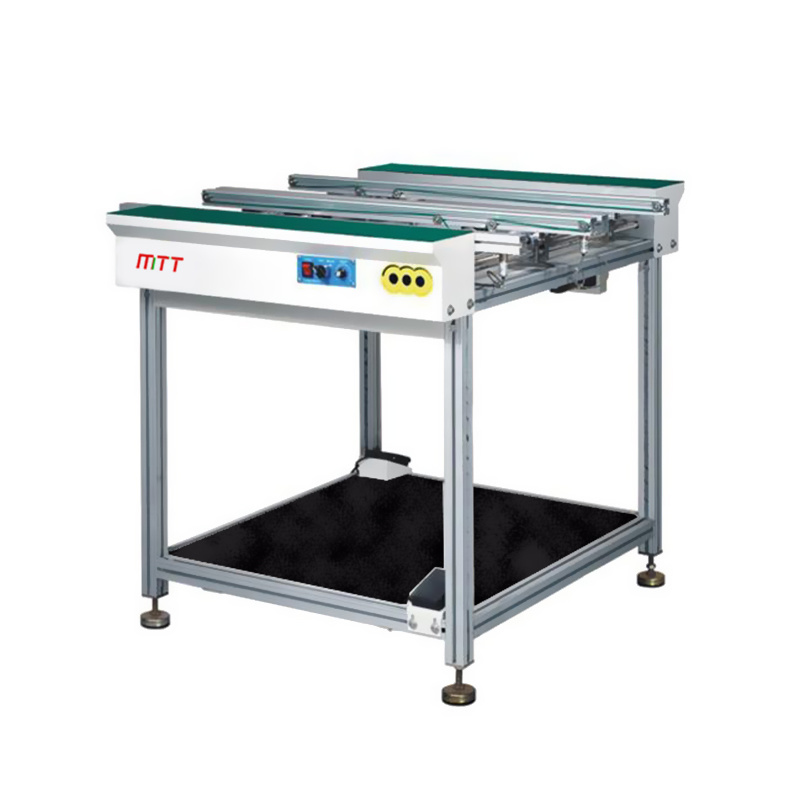
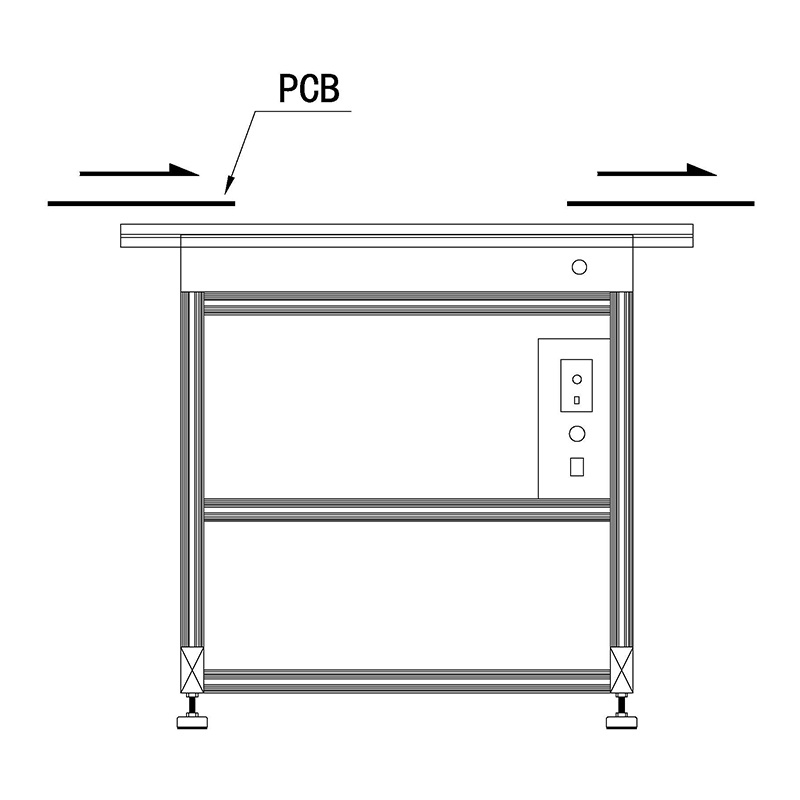
These conveyors are specifically designed for transporting printed circuit boards (PCBs) through various stages of production. Their precision engineering ensures that delicate components are handled with care.
3. Belt Conveyors
Belt conveyors use a continuous belt to transport goods. They are widely used due to their simplicity and effectiveness in moving items across different production areas.
4. Chain Conveyors
Chain conveyors are robust and suitable for heavy loads. They are often employed in applications where durability and strength are paramount.
5. Benefits of Using SMT Conveyors in Manufacturing
The adoption of SMT conveyors in industrial processes presents numerous advantages:
Increased Efficiency
By automating the movement of materials, SMT conveyors reduce manual labor and accelerate production times.
Improved Product Quality
With consistent and precise handling, SMT conveyors help maintain the integrity of the products being manufactured, ultimately enhancing quality.
Cost-Effectiveness
Reducing downtime translates to lower operational costs. By streamlining processes, businesses can maximize productivity while minimizing expenses.
Enhanced Safety
Automation reduces the risk of workplace injuries associated with manual handling, creating a safer working environment.
6. Optimization Strategies for SMT Conveyors
To fully harness the potential of SMT conveyors, businesses should implement various optimization strategies:
1. Regular Maintenance
Routine inspections and maintenance are essential for identifying potential issues before they lead to downtime. Developing a maintenance schedule can prolong the lifespan of your SMT conveyor system.
2. Employee Training
Investing in comprehensive training for operators ensures that they are well-equipped to use the equipment effectively and safely, thereby reducing the likelihood of errors that can cause delays.
3. Workflow Analysis
Regularly analyze workflows to identify areas for improvement. This can involve mapping out processes and seeking input from employees on potential bottlenecks.
4. Upgrading Technology
Keeping your SMT conveyor technology up to date can enhance performance. Consider integrating advanced monitoring systems that provide real-time data on conveyor operation and maintenance needs.
7. Maintenance Best Practices for SMT Conveyors
Following best practices for maintenance can significantly reduce the risk of downtime:
1. Daily Inspections
Conduct daily checks to ensure that all components are functioning as intended. Look for signs of wear and tear that may require attention.
2. Lubrication
Regular lubrication of moving parts can prevent friction-related issues that lead to breakdowns. Adhere to the manufacturer’s recommendations for lubrication intervals.
3. Cleanliness
Maintain a clean work environment around your SMT conveyors to prevent dust and debris from causing operational issues. Regular cleaning can extend the life of the equipment.
8. Case Studies: Successful Implementation of SMT Conveyors
Examining real-world applications can provide valuable insights into the effectiveness of SMT conveyors.
Case Study 1: Electronics Manufacturer
An electronics manufacturer faced frequent production delays due to equipment malfunctions. By implementing SMT conveyors, they were able to streamline their processes, leading to a 30% reduction in downtime and a significant increase in output.
Case Study 2: Automotive Parts Supplier
An automotive parts supplier struggled with inefficiencies in their assembly line. The integration of modular SMT conveyors allowed for quick reconfiguration of workflows, ultimately boosting production capacity by 50%.
9. Frequently Asked Questions
Q1: What are SMT conveyors used for?
A1: SMT conveyors are primarily used in electronics manufacturing to transport printed circuit boards and components through various stages of production.
Q2: How do SMT conveyors reduce downtime?
A2: SMT conveyors improve workflow efficiency, allow for real-time monitoring, and can be customized to fit specific production needs, minimizing delays.
Q3: What maintenance is required for SMT conveyors?
A3: Regular inspections, lubrication, and cleanliness are essential maintenance practices to keep SMT conveyors operating smoothly.
Q4: Can SMT conveyors be customized?
A4: Yes, SMT conveyors can be tailored to fit unique manufacturing layouts and specific operational requirements.
Q5: What are the benefits of automating material transport with SMT conveyors?
A5: Automating material transport leads to increased efficiency, improved product quality, cost-effectiveness, and enhanced workplace safety.
10. Conclusion
In summary, SMT conveyors are a vital component in modern industrial processes, particularly in electronics manufacturing. By effectively reducing downtime through improved efficiency, real-time monitoring, and flexibility, these conveyors can transform production operations. Implementing best practices in maintenance and training, along with optimizing workflows, further enhances their effectiveness. Investing in SMT conveyor systems not only elevates productivity but also paves the way for sustained business growth and success.
Related News