

The Evolution of SMT Transfer Conveyors in the Industrial Sector: A Comprehensive Insight


2026-04-20
The Evolution of SMT Transfer Conveyors in the Industrial Sector
Table of Contents
- 1. Introduction to SMT Transfer Conveyors
- 2. Historical Background of SMT Transfer Conveyors
- 3. Technological Advancements in SMT Transfer Conveyors
- 4. Current Applications of SMT Transfer Conveyors
- 5. Design and Engineering Considerations
- 6. Challenges in the SMT Transfer Conveyor Industry
- 7. Future Trends in SMT Transfer Conveyors
- 8. Frequently Asked Questions
- 9. Conclusion
1. Introduction to SMT Transfer Conveyors
In the realm of industrial manufacturing, the role of SMT (Surface Mount Technology) transfer conveyors is pivotal. These systems facilitate the efficient movement of components throughout assembly lines, enhancing productivity and reducing operational downtime. Understanding their evolution offers insights into the broader trends and advancements in manufacturing technology.
2. Historical Background of SMT Transfer Conveyors
The journey of SMT transfer conveyors began in the late 20th century, coinciding with the rise of automated manufacturing processes. Initially, these conveyors were rudimentary, relying on basic mechanical designs. As industries sought greater efficiency, innovations in materials and engineering led to the development of more sophisticated conveyor systems.
In the early days, conveyor belts were primarily used for transporting bulk materials. However, as electronic components became smaller and more complex, the need for specialized transfer conveyors emerged. This shift was driven by the demand for precision and reliability in the electronics manufacturing sector.
3. Technological Advancements in SMT Transfer Conveyors
The evolution of SMT transfer conveyors has been marked by significant technological advancements. The introduction of automation and robotics has transformed these systems, allowing for more precise handling of delicate components.
One notable advancement is the integration of smart sensors that monitor the movement and positioning of items on the conveyor. These sensors enhance operational efficiency by providing real-time data, reducing the likelihood of errors during assembly. Additionally, advancements in software technology have led to the development of sophisticated control systems that optimize conveyor speed and flow, further enhancing productivity.
Moreover, the use of advanced materials has improved the durability and performance of SMT transfer conveyors. Components made from lightweight yet strong materials reduce wear and tear, allowing for longer operational lifespans and lower maintenance costs.
4. Current Applications of SMT Transfer Conveyors
Today, SMT transfer conveyors find applications across various sectors within the industrial landscape. Industries such as electronics, automotive, and consumer goods utilize these systems to streamline their production processes.
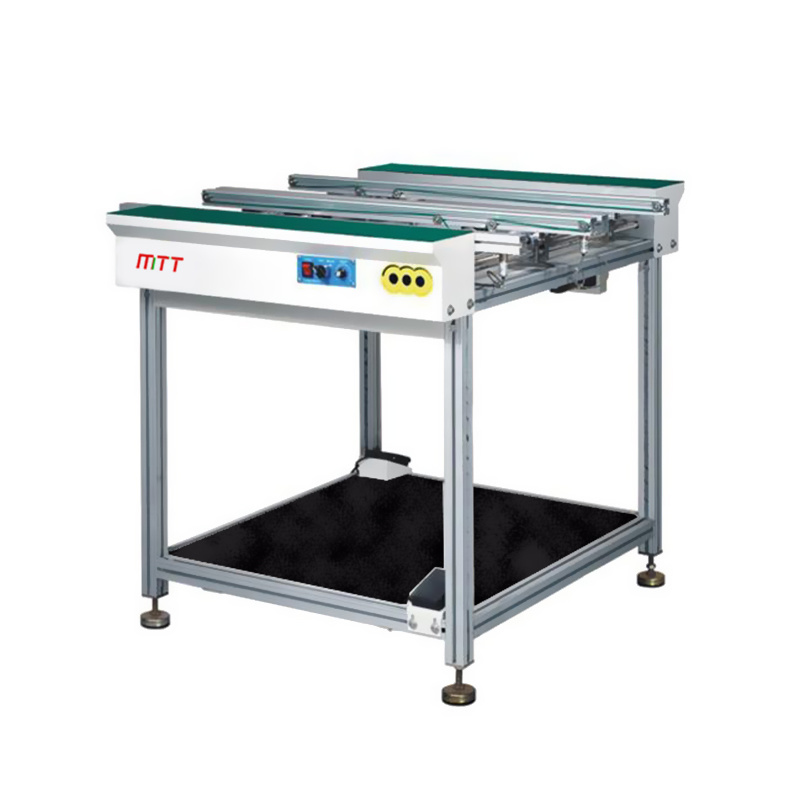
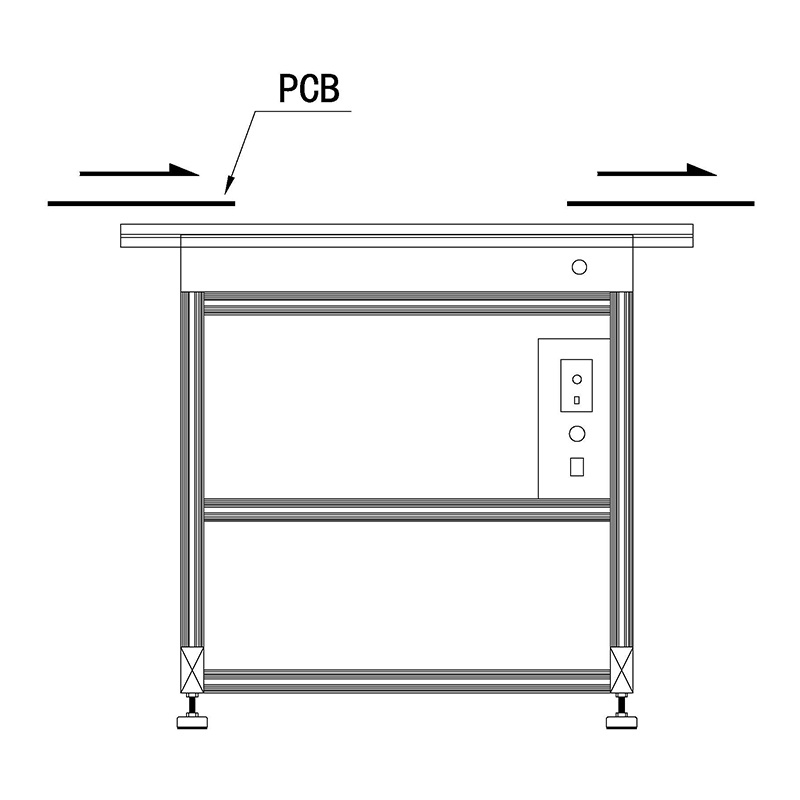
In electronics manufacturing, SMT transfer conveyors are indispensable for moving printed circuit boards (PCBs) through different stages of assembly. The precision of these conveyors ensures that components are placed accurately, which is critical for the performance of electronic devices.
In the automotive sector, these conveyors facilitate the assembly of complex components, aiding in the efficient production of vehicles. Their ability to handle heavy loads while maintaining speed is a significant advantage in high-volume manufacturing environments.
5. Design and Engineering Considerations
The design and engineering of SMT transfer conveyors involve numerous considerations to ensure optimal performance. Key factors include:
5.1 Load Capacity
Understanding the weight and size of components to be transported is crucial. Conveyors must be designed to handle the specified load capacity without compromising speed or safety.
5.2 Speed and Efficiency
Conveyor speed must align with production requirements. A balance between speed and accuracy is essential to maintain efficiency while minimizing errors.
5.3 Customization
Different production lines may require customized conveyor solutions. Engineers must consider the specific needs of a manufacturing process, including the layout of the workspace and the types of components being handled.
5.4 Safety Features
Implementing safety features, such as emergency stops and safety guards, is vital to prevent accidents in industrial environments.
6. Challenges in the SMT Transfer Conveyor Industry
While SMT transfer conveyors offer numerous benefits, several challenges persist within the industry:
6.1 Maintenance and Downtime
Regular maintenance is essential to prevent downtime, which can be costly. Implementing predictive maintenance strategies can help mitigate this issue by identifying potential problems before they occur.
6.2 Integration with Legacy Systems
Integrating new conveyor systems with existing legacy systems can pose challenges. Companies must carefully plan the transition to ensure seamless operation.
6.3 High Initial Costs
The investment required for advanced SMT transfer conveyor systems can be significant. However, the long-term savings and efficiency gains often outweigh these initial costs.
7. Future Trends in SMT Transfer Conveyors
As technology continues to evolve, so too will the capabilities of SMT transfer conveyors. Anticipated future trends include:
7.1 Increased Automation
The trend towards increased automation will likely continue. Advanced robotics, combined with AI and machine learning, will further enhance the efficiency of conveyor systems.
7.2 Enhanced Connectivity
The Internet of Things (IoT) is expected to play a significant role in the future of SMT transfer conveyors. Enhanced connectivity will allow for better monitoring and control, leading to optimized production processes.
7.3 Sustainability Initiatives
As industries move towards more sustainable practices, SMT transfer conveyors will also evolve to incorporate eco-friendly materials and energy-efficient designs.
8. Frequently Asked Questions
8.1 What are SMT transfer conveyors used for?
SMT transfer conveyors are primarily used in electronics manufacturing to transport components, such as printed circuit boards, through various assembly stages.
8.2 How do SMT transfer conveyors improve efficiency?
By automating the movement of components, SMT transfer conveyors reduce manual handling, increase speed, and minimize errors, thereby enhancing overall production efficiency.
8.3 What are the key features of modern SMT transfer conveyors?
Modern SMT transfer conveyors feature smart sensors, advanced control systems, and are constructed from durable materials, ensuring reliability and efficiency in operations.
8.4 How do I choose the right SMT transfer conveyor for my business?
Consider factors such as load capacity, speed, customization options, and integration capabilities with existing systems when selecting an SMT transfer conveyor.
8.5 What are the maintenance requirements for SMT transfer conveyors?
Regular inspections, cleaning, and timely component replacements are essential for maintaining the efficiency and longevity of SMT transfer conveyors.
9. Conclusion
The evolution of SMT transfer conveyors is a testament to the continuous advancements in the industrial sector. From their humble beginnings to their current sophisticated forms, these systems have significantly impacted manufacturing efficiency and productivity. As technology progresses, the future of SMT transfer conveyors looks promising, with increased automation, enhanced connectivity, and a focus on sustainability paving the way for even more innovative solutions. Understanding these trends will be crucial for businesses looking to stay competitive in the dynamic industrial landscape.
Related News