

Understanding SMT Loaders: The Backbone of Efficient Manufacturing Processes


2026-03-05
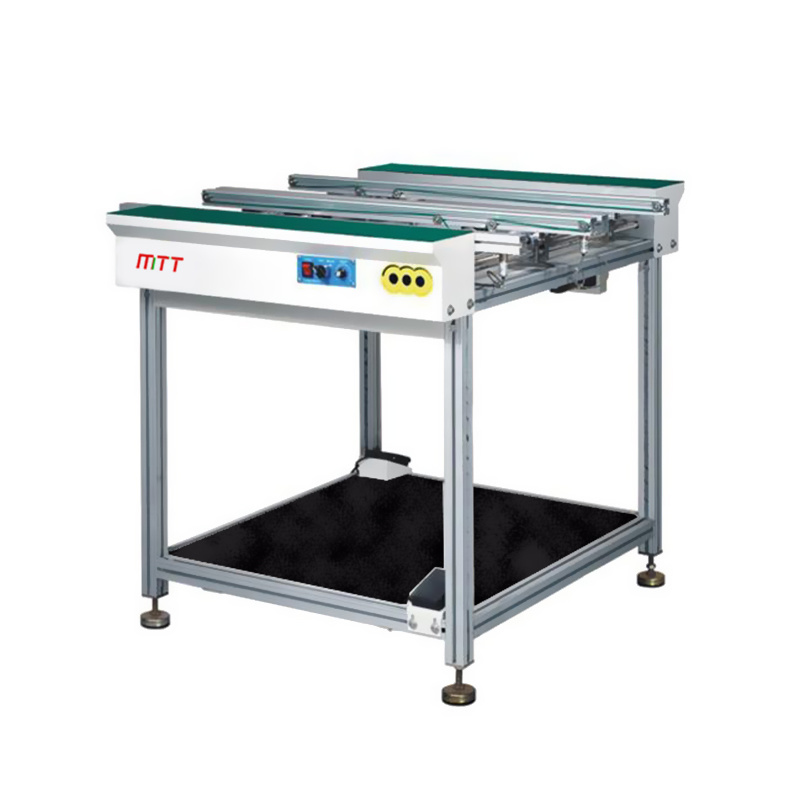
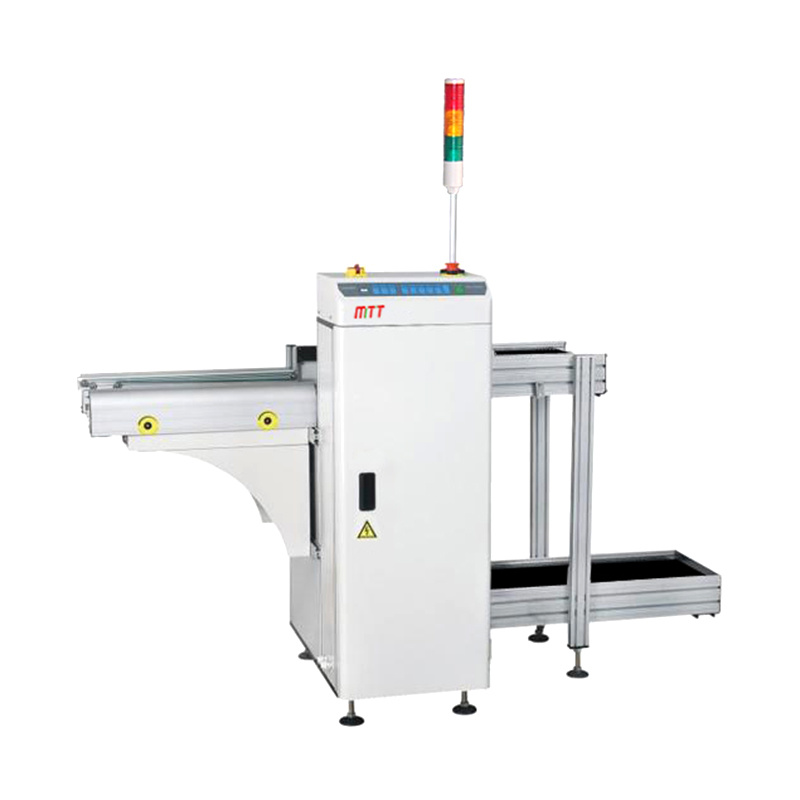
SMT loaders, or Surface Mount Technology loaders, play a crucial role in modern manufacturing, particularly in industries involving engineering and construction machinery. These machines are designed to streamline the assembly process of electronic components onto printed circuit boards (PCBs). By automating the loading of components, SMT loaders enhance productivity and accuracy, making them an essential component in the manufacturing workflow.
One of the primary functions of an SMT loader is to ensure that components are fed accurately and efficiently to the assembly line. This automation reduces the likelihood of human error, which can be a significant factor in manufacturing defects. The loader typically works in conjunction with pick-and-place machines, which are responsible for positioning components on the PCB. By integrating an SMT loader into your production line, you can significantly improve the speed and reliability of component placement.
In addition to enhancing accuracy, SMT loaders offer several other benefits that contribute to overall operational efficiency. For example, they can handle a variety of component types and sizes, making them versatile solutions for different manufacturing needs. This adaptability is particularly valuable in industries such as construction machinery manufacturing, where the specifications of electronic components can vary widely based on the application.
Moreover, SMT loaders help to minimize downtime on the production line. By automating the loading process, they ensure a continuous flow of materials, reducing the time needed for manual loading and setup. This efficiency translates into higher output rates and shorter lead times, which are critical factors in meeting customer demands in the competitive landscape of manufacturing.
Another significant advantage of SMT loaders is their ability to improve workplace safety. With fewer manual handling tasks required, the risk of workplace injuries associated with component loading is reduced. This not only benefits the health of workers but also contributes to a more efficient workflow, as fewer incidents mean less disruption to production schedules.
When considering the implementation of SMT loaders in your manufacturing processes, it's essential to evaluate the specific needs of your production line. Factors such as the types of components being used, the complexity of the boards being assembled, and the overall workflow should be taken into account to ensure that the selected loader meets your requirements effectively.
In summary, SMT loaders stand as a vital element in the manufacturing of engineering and construction machinery. By enhancing accuracy, improving efficiency, and promoting workplace safety, they serve as a key investment for businesses looking to optimize their assembly processes and remain competitive in the market. Embracing SMT technology not only streamlines operations but also positions manufacturers for future growth and success.
One of the primary functions of an SMT loader is to ensure that components are fed accurately and efficiently to the assembly line. This automation reduces the likelihood of human error, which can be a significant factor in manufacturing defects. The loader typically works in conjunction with pick-and-place machines, which are responsible for positioning components on the PCB. By integrating an SMT loader into your production line, you can significantly improve the speed and reliability of component placement.
In addition to enhancing accuracy, SMT loaders offer several other benefits that contribute to overall operational efficiency. For example, they can handle a variety of component types and sizes, making them versatile solutions for different manufacturing needs. This adaptability is particularly valuable in industries such as construction machinery manufacturing, where the specifications of electronic components can vary widely based on the application.
Moreover, SMT loaders help to minimize downtime on the production line. By automating the loading process, they ensure a continuous flow of materials, reducing the time needed for manual loading and setup. This efficiency translates into higher output rates and shorter lead times, which are critical factors in meeting customer demands in the competitive landscape of manufacturing.
Another significant advantage of SMT loaders is their ability to improve workplace safety. With fewer manual handling tasks required, the risk of workplace injuries associated with component loading is reduced. This not only benefits the health of workers but also contributes to a more efficient workflow, as fewer incidents mean less disruption to production schedules.
When considering the implementation of SMT loaders in your manufacturing processes, it's essential to evaluate the specific needs of your production line. Factors such as the types of components being used, the complexity of the boards being assembled, and the overall workflow should be taken into account to ensure that the selected loader meets your requirements effectively.
In summary, SMT loaders stand as a vital element in the manufacturing of engineering and construction machinery. By enhancing accuracy, improving efficiency, and promoting workplace safety, they serve as a key investment for businesses looking to optimize their assembly processes and remain competitive in the market. Embracing SMT technology not only streamlines operations but also positions manufacturers for future growth and success.
Related News