

Enhancing Efficiency with SMT Board Transport Solutions


2026-03-02
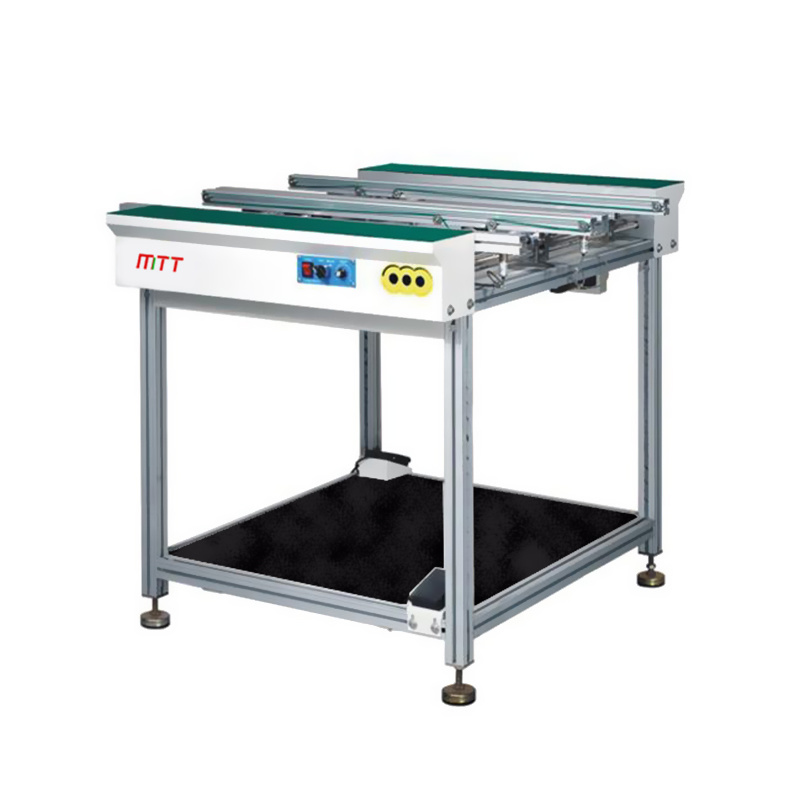
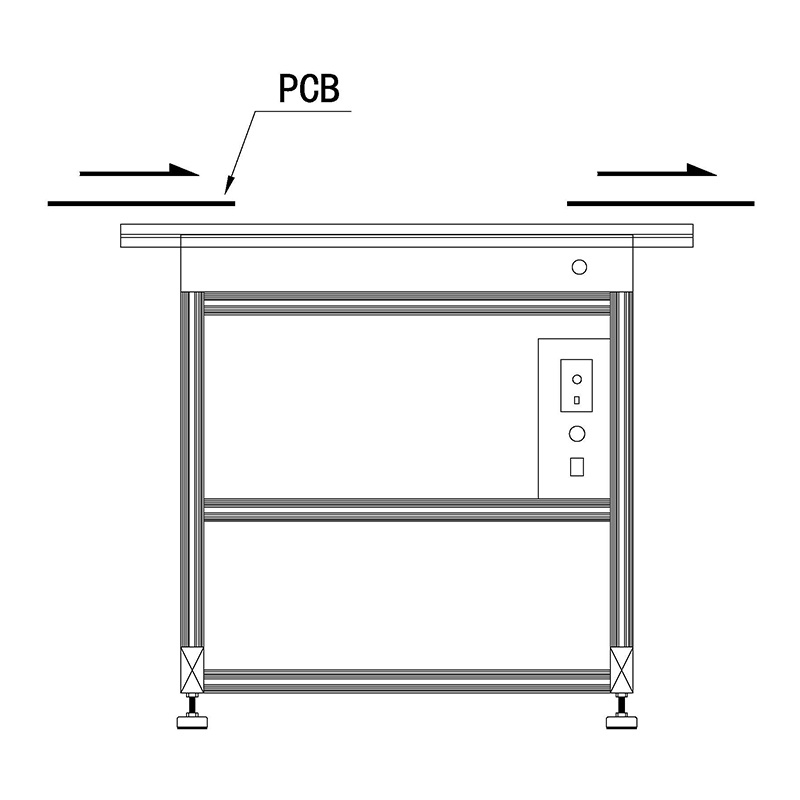
In the realm of industrial equipment and components, particularly within the chain and conveyor equipment sector, the importance of SMT (Surface-Mount Technology) board transport cannot be overstated. SMT board transport refers to the systems and methods employed to move circuit boards during the manufacturing and assembly processes of electronic devices. Given the increasing complexity and demand for high-quality electronics, efficient SMT board transport systems play a pivotal role in enhancing productivity and maintaining product integrity.
One of the primary considerations when selecting an SMT board transport system is the type of conveyor technology used. Various conveyor types, such as belt conveyors, roller conveyors, and modular conveyors, each offer unique advantages tailored to specific manufacturing environments. For instance, belt conveyors are renowned for their smooth transport of delicate SMT boards, reducing the risk of damage during transit. On the other hand, modular conveyors are highly adaptable and can be customized to fit various production layouts, making them a preferred choice for manufacturers looking to optimize their workflow.
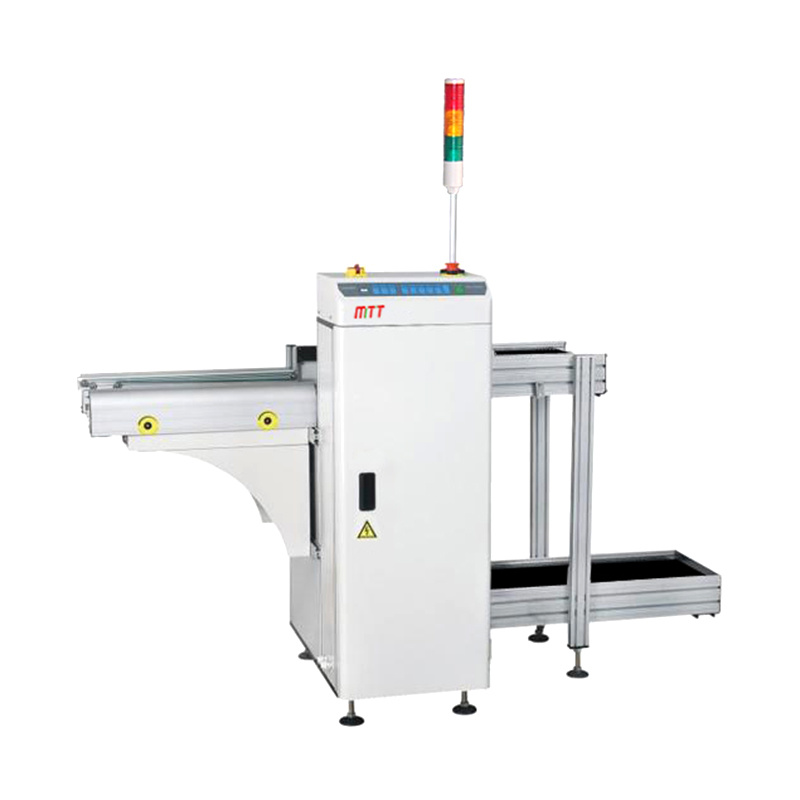
Another critical aspect of SMT board transport is the integration of automation technologies. Automated systems equipped with sensors and control mechanisms can significantly improve the efficiency of the transport process. These systems facilitate real-time monitoring, allowing for adjustments based on production requirements and minimizing the likelihood of bottlenecks. Moreover, the incorporation of robotic arms and automated guided vehicles (AGVs) can streamline the movement of SMT boards, ensuring that they are transported quickly and safely between different stages of the manufacturing process.
Maintaining the cleanliness and integrity of SMT boards during transport is paramount. Dust, debris, and other contaminants can lead to defects in the final product, resulting in costly rework and delays. Therefore, implementing dust-free environments and utilizing protective transport trays can help safeguard the quality of the boards throughout the transportation process. Additionally, regular maintenance of the transport equipment is essential to prevent mechanical failures that could disrupt production.
Lastly, the layout of the SMT board transport system should be designed with efficiency in mind. A well-planned layout not only ensures smooth transitions between different manufacturing stages but also optimizes space utilization. By analyzing the flow of materials and identifying potential bottlenecks, manufacturers can make informed decisions about the design and configuration of their SMT board transport systems.
In conclusion, the significance of SMT board transport in the industrial equipment and components sector cannot be overlooked. By focusing on conveyor technology, automation integration, cleanliness, and system layout, manufacturers can enhance their SMT board transport processes, ultimately leading to greater operational efficiency and improved product quality. Embracing these strategies will enable businesses to meet the ever-growing demands of the electronics market while maintaining a competitive edge.
One of the primary considerations when selecting an SMT board transport system is the type of conveyor technology used. Various conveyor types, such as belt conveyors, roller conveyors, and modular conveyors, each offer unique advantages tailored to specific manufacturing environments. For instance, belt conveyors are renowned for their smooth transport of delicate SMT boards, reducing the risk of damage during transit. On the other hand, modular conveyors are highly adaptable and can be customized to fit various production layouts, making them a preferred choice for manufacturers looking to optimize their workflow.
Another critical aspect of SMT board transport is the integration of automation technologies. Automated systems equipped with sensors and control mechanisms can significantly improve the efficiency of the transport process. These systems facilitate real-time monitoring, allowing for adjustments based on production requirements and minimizing the likelihood of bottlenecks. Moreover, the incorporation of robotic arms and automated guided vehicles (AGVs) can streamline the movement of SMT boards, ensuring that they are transported quickly and safely between different stages of the manufacturing process.
Maintaining the cleanliness and integrity of SMT boards during transport is paramount. Dust, debris, and other contaminants can lead to defects in the final product, resulting in costly rework and delays. Therefore, implementing dust-free environments and utilizing protective transport trays can help safeguard the quality of the boards throughout the transportation process. Additionally, regular maintenance of the transport equipment is essential to prevent mechanical failures that could disrupt production.
Lastly, the layout of the SMT board transport system should be designed with efficiency in mind. A well-planned layout not only ensures smooth transitions between different manufacturing stages but also optimizes space utilization. By analyzing the flow of materials and identifying potential bottlenecks, manufacturers can make informed decisions about the design and configuration of their SMT board transport systems.
In conclusion, the significance of SMT board transport in the industrial equipment and components sector cannot be overlooked. By focusing on conveyor technology, automation integration, cleanliness, and system layout, manufacturers can enhance their SMT board transport processes, ultimately leading to greater operational efficiency and improved product quality. Embracing these strategies will enable businesses to meet the ever-growing demands of the electronics market while maintaining a competitive edge.
Related News