

How to Choose the Right SMT Conveyor for Your Facility


2026-02-07
How to Choose the Right SMT Conveyor for Your Facility
Table of Contents
- Understanding SMT Conveyors
- Importance of Choosing the Right SMT Conveyor
- Types of SMT Conveyors Available
- Key Factors to Consider When Choosing an SMT Conveyor
- Conveyor Dimensions and Space Requirements
- Material Handling Requirements
- System Integration and Compatibility
- Maintenance and Support Options
- Cost Analysis and Budgeting
- Frequently Asked Questions
- Conclusion
Understanding SMT Conveyors
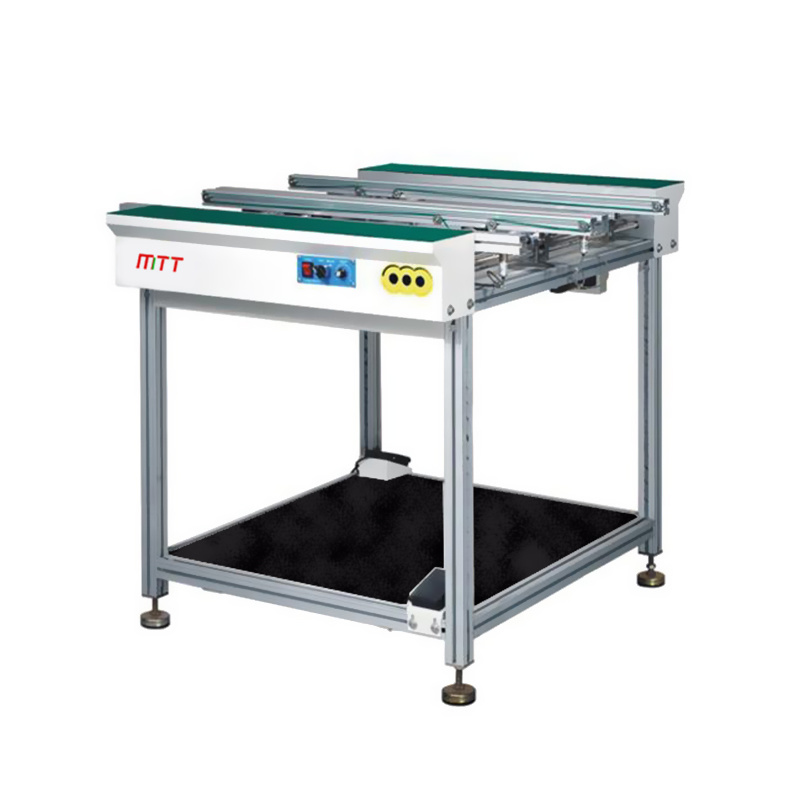
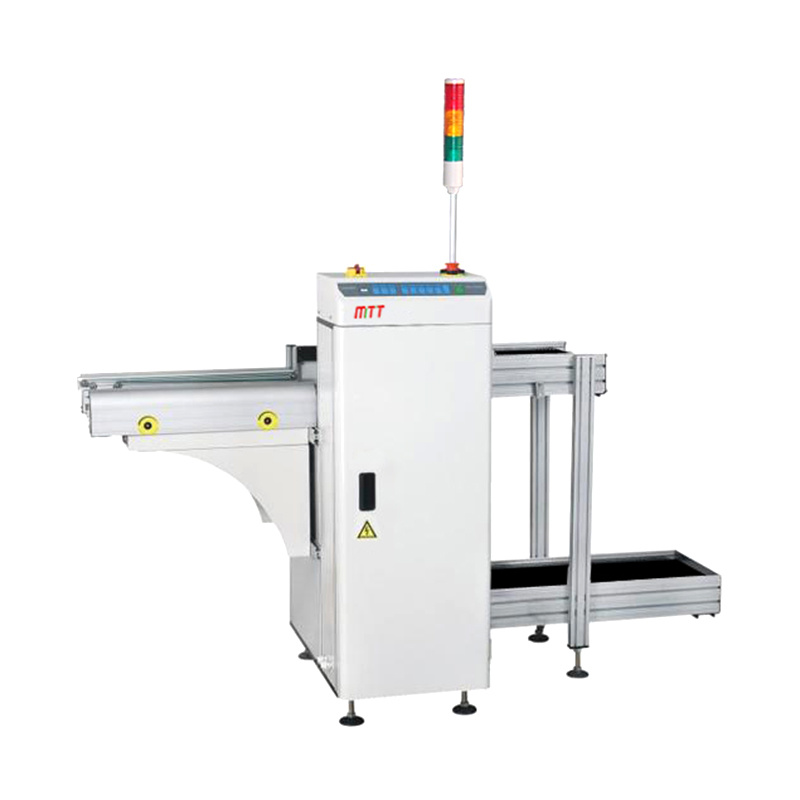
Surface Mount Technology (SMT) conveyors are pivotal in modern electronics manufacturing. These conveyance systems facilitate the efficient movement of printed circuit boards (PCBs) through various stages of the assembly process. Unlike traditional conveyors, SMT conveyors are engineered specifically to accommodate the unique requirements of SMT assembly lines, ensuring that components are handled delicately and efficiently.
Importance of Choosing the Right SMT Conveyor
Selecting the right SMT conveyor is crucial for optimizing production workflows. A well-chosen conveyor can enhance operational efficiency, reduce downtime, and minimize production costs. On the other hand, an unsuitable conveyor can lead to bottlenecks and increased operational challenges. Therefore, understanding how to choose the right SMT conveyor for your facility is essential for maintaining a competitive edge.
Types of SMT Conveyors Available
SMT conveyors come in various configurations, each designed to meet specific operational needs. Here are the most common types:
1. **Straight SMT Conveyors**
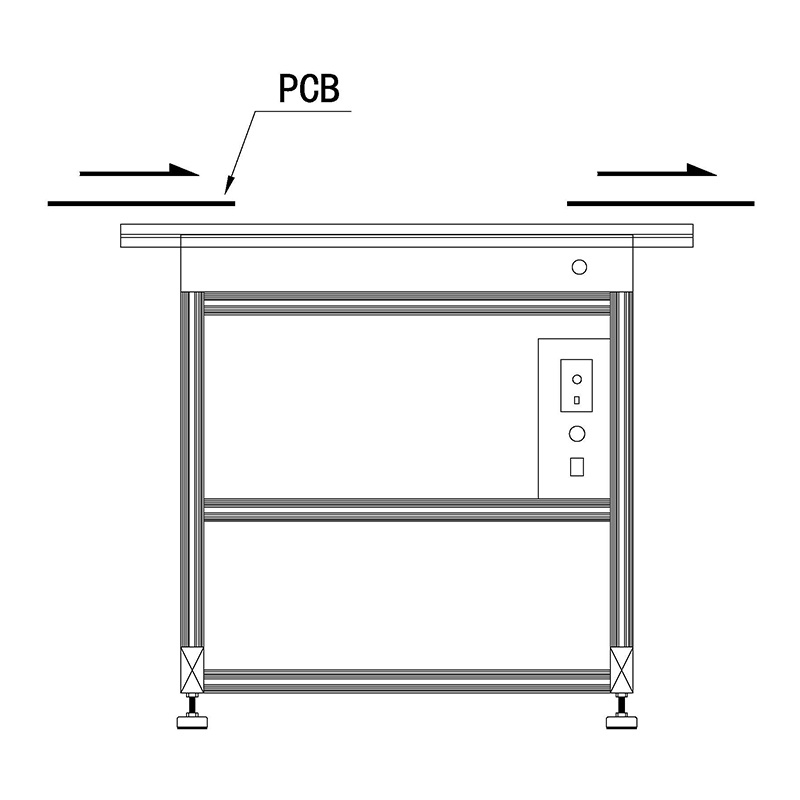
These conveyors are designed for linear transport of PCBs, making them ideal for straightforward assembly processes. They provide a reliable means of transportation between workstations.
2. **Zig-Zag SMT Conveyors**
Zig-zag conveyors are designed to save space by changing the direction of PCB transport in a compact layout. This design is particularly useful in facilities where floor space is at a premium.
3. **Incline/Decline SMT Conveyors**
These conveyors can transport PCBs at an angle, allowing for elevation changes in the production line. They are effective for integrating multiple assembly processes and optimizing the workflow.
4. **Modular SMT Conveyors**
Modular conveyors offer flexibility in configuration, allowing manufacturers to adapt the conveyor layout based on their evolving production needs. This adaptability is essential for rapidly changing manufacturing environments.
Key Factors to Consider When Choosing an SMT Conveyor
When selecting an SMT conveyor, several key factors must be considered to ensure that the system meets your specific manufacturing needs.
1. **Production Volume**
Understanding your production volume is critical. High-volume production lines require robust and reliable conveyors capable of handling large quantities of PCBs efficiently. Conversely, lower volume lines may benefit from more flexible conveyor options.
2. **PCB Size and Weight**
Different SMT conveyors accommodate varying sizes and weights of PCBs. Choosing a conveyor that can support the dimensions and weight of your products will prevent potential damage and ensure smooth operation.
3. **Operating Environment**
The environment in which the conveyor operates is also a significant factor. If your facility has specific environmental concerns, such as dust or humidity, you may need to select conveyors with protective features or materials that withstand such conditions.
4. **Speed Requirements**
The speed of the conveyor is another critical consideration. Ensure that the conveyor can operate at a pace that matches your production needs without compromising safety or quality.
Conveyor Dimensions and Space Requirements
Space constraints can significantly impact the choice of SMT conveyor. Measure your available production space and consider the dimensions of the conveyor, including length, width, and height. Additionally, ensure that there is enough space for maintenance access and potential expansion in the future.
Material Handling Requirements
Understanding material handling requirements is essential in choosing the right SMT conveyor. Consider the following:
1. **Type of Components**
Identify the types of components that will be transported on the conveyor. Different components may require different handling methods, such as ESD (Electrostatic Discharge) protection or specialized fixtures.
2. **Throughput Needs**
Evaluate the desired throughput for your assembly line. This will help determine the required conveyor speed and the number of conveyors needed to maintain efficiency.
System Integration and Compatibility
Ensuring that your SMT conveyor integrates seamlessly with existing equipment is paramount. It’s crucial to evaluate compatibility with pick-and-place machines, inspection equipment, and other machinery in your production line. Compatibility affects everything from operational efficiency to maintenance ease.
Maintenance and Support Options
Regular maintenance is essential for the longevity of any conveyor system. When selecting an SMT conveyor, consider the availability of support services and spare parts. Detailed maintenance guidelines and easy access to support resources will ensure that your conveyor remains operational for an extended period.
Cost Analysis and Budgeting
Cost is a significant factor in choosing an SMT conveyor. Perform a thorough cost analysis, taking into account not only the initial purchase price but also operational costs, maintenance, and potential downtime. A more expensive conveyor may offer better long-term value, while a cheaper option may lead to higher operational costs down the line.
Frequently Asked Questions
1. **What is the average lifespan of an SMT conveyor?**
The lifespan of an SMT conveyor can vary based on usage, maintenance, and environmental factors but generally ranges from 10 to 20 years with proper care.
2. **Are SMT conveyors customizable?**
Yes, many manufacturers offer customization options for SMT conveyors to meet specific operational needs and facility layouts.
3. **What maintenance is required for SMT conveyors?**
Regular maintenance includes cleaning, lubrication, inspection of belts and rollers, and ensuring that electrical components are functioning correctly.
4. **How can I ensure the safety of my SMT conveyor?**
Implement safety features such as emergency stop buttons, protective guards, and training for operators to ensure safe operation.
5. **What warranty options are available for SMT conveyors?**
Warranty options vary by manufacturer, but many offer warranties ranging from one to five years, covering parts and labor in case of defects or failures.
Conclusion
Choosing the right SMT conveyor for your facility is a multifaceted decision that directly impacts your production efficiency and overall operational success. By carefully considering the various factors outlined in this guide—such as production volume, PCB specifications, space constraints, and integration needs—you can make an informed decision that enhances your manufacturing workflow. A well-chosen SMT conveyor not only optimizes your assembly line but also contributes to long-term cost savings and productivity gains. With a thorough understanding of your needs and careful evaluation of your options, you can select an SMT conveyor that propels your facility toward operational excellence.
Related News